
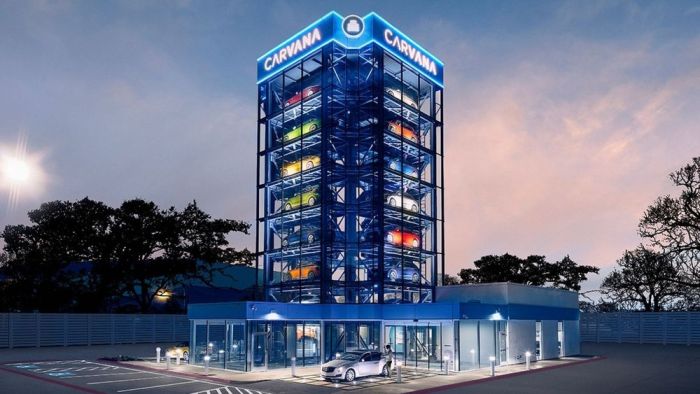
GM Financial Lease, Carvana, and Vroom—a trifecta of used car sales and financing. This deep dive into GM financial lease sell carvana vroom explores the intricacies of these three players in the automotive market. We’ll dissect their individual strategies, compare lease terms, analyze consumer reviews, and even look at potential future developments. Get ready for a comprehensive overview that sheds light on this complex automotive landscape.
This exploration delves into the specifics of how GM Financial’s leasing services intersect with Carvana and Vroom’s used car sales models. We’ll look at the differences in terms of vehicle availability, lease terms, and consumer experiences to provide a balanced perspective on this dynamic industry sector. Ultimately, the aim is to give readers a clear understanding of the advantages and disadvantages of each company’s approach to leasing and purchasing used vehicles.
Introduction to GM Financial Lease and Carvana/Vroom: Gm Financial Lease Sell Carvana Vroom
GM Financial is a major player in the automotive finance industry, providing financing and leasing options for new and used vehicles. They partner with dealerships and individual buyers to facilitate the purchase of automobiles, ensuring accessibility to various financing options. Their services span a broad spectrum of financial products, allowing customers diverse choices. They are a significant source of funding for car purchases and play a vital role in the overall car market ecosystem.Carvana and Vroom are online-based used car marketplaces.
Carvana operates on a largely inventory-based model, acquiring used vehicles, preparing them for sale, and then selling them directly to consumers online. Vroom follows a similar approach, focusing on offering a broad selection of used vehicles at competitive prices. These companies streamline the car-buying process by eliminating the traditional dealership experience.The common ground lies in the automotive sector.
All three entities participate in the circulation of vehicles, albeit with different approaches. GM Financial provides the financial framework, while Carvana and Vroom offer the platform for acquiring and selling used cars. This interconnectedness is crucial to the overall efficiency and accessibility of the automotive market. The overlap is clear; all three are actively involved in the buying and selling of vehicles, albeit with differing business models.
Competition is also a possibility as they are all vying for market share and customer attention.Potential for overlap and competition exists between these entities. GM Financial’s financing could be used to purchase vehicles from Carvana or Vroom, creating a direct competition to traditional financing methods offered by dealerships. Carvana and Vroom, by offering competitive prices, may potentially attract customers who would otherwise seek financing through GM Financial.
This interplay highlights the dynamic nature of the automotive market.
Key Services Offered by Each Company
The following table Artikels the key services offered by GM Financial, Carvana, and Vroom. Understanding their individual offerings is critical for comprehending their distinct roles within the automotive market.
| Company | Service 1 | Service 2 | Service 3 |
|---|---|---|---|
| GM Financial | Auto financing | Vehicle leasing | Retail financing programs |
| Carvana | Online used car sales | Vehicle inspection and preparation | Direct-to-consumer sales platform |
| Vroom | Online used car sales | Vehicle delivery | Competitive pricing model |
Comparing Lease Terms and Financing Options
Navigating the world of car leases can feel like a maze, especially when dealing with multiple dealerships and financing options. This section will help you compare the lease terms and financing structures offered by GM Financial, Carvana, and Vroom to make an informed decision. Understanding the key differences between these platforms can save you time and money.
Lease Terms Offered by GM Financial
GM Financial, as a major automotive finance provider, offers a wide range of lease terms tailored to different car models. Lease terms often vary based on the specific vehicle, its market value, and the customer’s creditworthiness. Factors like the vehicle’s age, mileage, and condition also influence the terms offered.
Figuring out GM financial lease options for selling my car through Carvana or Vroom is stressing me out. It’s like navigating the complexities of choosing between an iPhone X and a Pixel 2 XL, a whole other level of anxiety-inducing decision-making! This article perfectly encapsulates that feeling of overwhelming choice. Hopefully, once I understand the GM financial lease process, selling through Carvana or Vroom will feel a little less daunting.
- Lease terms generally range from 24 to 60 months, with the most common options falling within the 36-48 month range. This flexibility allows for diverse customer needs and preferences.
- Mileage allowances typically vary significantly based on the car model and manufacturer’s recommendations. Higher-mileage allowances are usually offered for vehicles expected to accumulate more miles annually.
- Residual values are crucial in determining the overall cost of the lease. Residual values, projected values of the vehicle at the end of the lease, are determined by factors like the vehicle’s market condition, mileage, and the overall demand for the model.
Financing Options through GM Financial
GM Financial provides various financing options, including leases and loans. Understanding the interest rates and loan terms is essential for budget planning. Interest rates depend on factors such as credit score, loan amount, and the prevailing market interest rates. Loan terms, similar to lease terms, vary depending on the individual situation.
- Interest rates on loans can range from 3% to 15% or higher, with the exact rate determined by individual credit profiles. Lower rates are typically associated with higher credit scores.
- Loan terms, similar to lease terms, vary based on the vehicle and the customer’s requirements. Typical terms span from 36 to 72 months. Longer terms lead to lower monthly payments but accrue more interest over time.
- Early termination fees can apply to both leases and loans, so understanding these fees is vital. These fees often vary based on the remaining lease or loan term and the terms of the agreement.
Lease Terms for Carvana and Vroom Vehicles
Carvana and Vroom, as online retailers, often offer unique lease terms. Lease terms and financing options are usually determined by the vehicle and its specifications, rather than relying on a standardized approach.
- Lease terms offered by Carvana and Vroom can range from 24 to 60 months. However, the specific terms may vary widely, depending on the specific car model, mileage, and condition.
- Mileage allowances, like with GM Financial, can differ significantly across models. Vroom and Carvana might have different mileage caps than traditional dealerships, which could affect your overall lease cost.
- Both Carvana and Vroom may offer competitive lease rates, but it’s crucial to carefully evaluate the full cost, including any hidden fees or charges.
Comparison Table of Typical Lease Terms
| Feature | GM Financial | Carvana | Vroom |
|---|---|---|---|
| Lease Term (Months) | 24-60 (typical 36-48) | 24-60 (variable) | 24-60 (variable) |
| Mileage Allowance (per year) | Variable (model-dependent) | Variable (model-dependent) | Variable (model-dependent) |
| Interest Rate (Estimated) | Variable (3-15%) | Variable (3-15%) | Variable (3-15%) |
| Residual Value | Variable (model-dependent) | Variable (model-dependent) | Variable (model-dependent) |
Consumer Experiences and Reviews
Navigating the automotive landscape can be daunting, especially when considering leasing or buying a vehicle. Consumer reviews and experiences provide valuable insights into the strengths and weaknesses of different providers. This section delves into the feedback surrounding GM Financial’s lease services, as well as the experiences with online dealerships like Carvana and Vroom, shedding light on crucial aspects like vehicle quality and purchase processes.Consumer feedback is a crucial metric for understanding the customer journey and satisfaction levels.
Positive experiences often highlight ease of transactions, while negative reviews frequently point to issues like hidden fees, poor customer service, or problems with the vehicles themselves. Comparing these experiences reveals key differentiators in the automotive market.
GM Financial Lease Services: Consumer Experiences
Customer experiences with GM Financial’s lease services often center on the terms and conditions of the lease agreements. While many praise the streamlined application process and competitive interest rates, some report difficulties with understanding complex lease language, leading to unexpected fees or penalties. Customer service interactions, according to some reviews, can range from helpful and responsive to frustratingly slow and unhelpful.
Carvana and Vroom: Vehicle Quality and Purchase Processes
Carvana and Vroom have gained popularity for their online purchasing experience. Consumer reviews frequently highlight the convenience of browsing and purchasing vehicles from the comfort of home. However, concerns about vehicle quality, particularly pre-owned vehicles, have been raised. Some customers report issues with hidden damage, inaccurate descriptions, or problems arising soon after purchase. The purchase process itself, while often lauded for its speed and efficiency, has drawn criticism for a lack of transparency regarding potential repair costs or warranty details.
Customer Service Interactions: A Comparative Analysis
Customer service interactions significantly impact the overall experience. GM Financial customers report varying levels of support, while Carvana and Vroom customers have expressed mixed opinions on the responsiveness and helpfulness of their customer service representatives. Online platforms like Carvana and Vroom, while offering convenience, may sometimes lack the personal touch of in-person interactions. GM Financial, in contrast, may have more personalized interactions in some cases, but these vary widely.
Consumer Complaints and Praise: A Comparative Table
| Company | Common Complaints | Common Praise |
|---|---|---|
| GM Financial | Complex lease terms, hidden fees, slow/unhelpful customer service, difficulty understanding lease documents | Competitive interest rates, streamlined application process, sometimes personalized customer service. |
| Carvana | Vehicle quality issues (hidden damage, inaccurate descriptions), lack of transparency regarding repairs or warranties, inconsistent customer service, sometimes misleading sales tactics. | Convenience of online purchasing, fast transaction process, potentially competitive pricing, wide selection. |
| Vroom | Vehicle quality concerns (hidden damage, inaccurate descriptions), issues with delivery and condition of vehicle upon arrival, lack of post-purchase support, sometimes difficult to understand return policies. | Convenience of online purchasing, fast transaction process, potentially competitive pricing, wide selection. |
Market Trends and Industry Analysis
The used car market is experiencing a period of significant transformation, driven by evolving consumer preferences, technological advancements, and shifts in financial landscapes. Understanding these trends is crucial for anyone navigating the world of car buying and financing, whether through traditional dealerships or online platforms like Carvana and Vroom. This analysis delves into the current state of the market, highlighting the impact of online sales and financial services.The used car market is dynamic and complex.
Factors like supply chain disruptions, fluctuating fuel prices, and consumer demand all contribute to the ever-shifting landscape. This analysis will dissect the trends shaping the market and how those trends affect the players within it, from established dealerships to innovative online marketplaces.
Current Market Trends Impacting the Used Car Market
The used car market is significantly influenced by various economic and societal factors. Supply chain disruptions have created shortages of certain models and components, leading to price increases and delays in deliveries. Fluctuating fuel prices also affect consumer demand, with potential shifts towards more fuel-efficient vehicles. Furthermore, consumer preferences for technology and convenience are altering the way consumers engage with car buying.
The Role of Online Platforms in the Automotive Industry
Online platforms like Carvana and Vroom have fundamentally changed how consumers purchase and finance used cars. These platforms offer a streamlined, often more convenient, purchasing experience, bypassing the traditional dealership model. The ability to shop, finance, and potentially pick up a vehicle online, all from the comfort of one’s home, has greatly impacted consumer behavior. Online platforms have facilitated greater transparency in pricing and specifications, providing consumers with more control over the process.
Figuring out the best way to finance a car, especially with options like GM financial leases, selling on Carvana, or buying from Vroom, can be tricky. It’s important to research different options and compare interest rates. Speaking of tricky situations, have you ever wondered which states are the stingiest when it comes to tipping? Check out this fascinating article to see where your state ranks among the worst tippers in the US the worst tippers in the US where does your state rank.
Ultimately, understanding these financial factors can help you make smart decisions when buying a vehicle through these platforms.
Detailed Analysis of the Financial Services Landscape for Used Cars
The financial services landscape for used cars is diverse, encompassing traditional financing options from dealerships and banks, as well as specialized online financing providers. GM Financial, a significant player in automotive financing, offers various lease and loan options, reflecting a broader market of available financial solutions. This variety of choices has made purchasing a used car more accessible for consumers with different credit profiles and needs.
Comparison of the Impact of Online Platforms on Traditional Dealerships
The rise of online platforms has presented a challenge to traditional dealerships. Traditional dealerships often struggle to compete with the low prices and streamlined processes offered by online marketplaces. However, traditional dealerships are adapting by implementing online tools, adjusting their business models, and focusing on unique selling points like personalized service and after-sales support. Some dealerships are even collaborating with online platforms to expand their reach.
Key Market Trends and Their Impact on Businesses
| Market Trend | Impact on Online Platforms | Impact on Traditional Dealerships |
|---|---|---|
| Increased Consumer Demand for Online Convenience | Positive; strengthens their value proposition | Negative; requires adaptation to online presence |
| Supply Chain Disruptions | Negative; potentially affects inventory availability and pricing | Negative; impacting inventory management and pricing |
| Shifting Consumer Preferences (e.g., Technology, Sustainability) | Positive; opportunity to cater to evolving needs | Positive; opportunity to adapt and offer relevant vehicles |
| Rise of Direct-to-Consumer Financing Options | Positive; further streamlines the process | Negative; increasing competition in financing |
| Fluctuating Fuel Prices | Potentially negative; influencing consumer choices | Potentially negative; influencing consumer choices |
Potential Synergies and Conflicts
The intertwined worlds of automotive financing and used car sales present a complex web of potential synergies and conflicts. GM Financial, Carvana, and Vroom, each with unique strengths and market positions, must navigate this landscape carefully. Understanding these dynamics is crucial for informed decision-making and successful long-term strategies.
Potential Areas of Synergy
The shared goal of streamlining the used car market creates opportunities for collaboration. Common ground exists in the desire to offer a more seamless and transparent experience for consumers, reduce operational costs, and potentially expand market share. Leveraging each other’s expertise could yield considerable advantages.
- Shared Technology Platforms: GM Financial and both Carvana and Vroom could potentially share data analytics and technology platforms. This collaborative approach could enhance customer insights and streamline the financing process. For instance, shared data on vehicle valuations and market trends could lead to more accurate and competitive financing offers. Data sharing could also help predict demand and improve inventory management.
- Joint Marketing Initiatives: Collaborating on marketing campaigns could leverage each company’s strengths to reach a wider audience. For example, joint advertising could promote financing options through both online and offline channels, reaching a wider consumer base, especially in the digital space. Such initiatives could benefit all parties involved.
- Streamlined Financing Processes: Streamlining the lease and purchase processes through shared technology and information exchange can improve efficiency. This may result in faster processing times and reduced administrative costs for all parties. Consumers could benefit from quicker turnaround times.
Potential Conflicts of Interest
While potential synergies exist, so do inherent conflicts of interest. Competition for market share and customer loyalty can lead to challenges.
- Price Competition: Direct competition on pricing for financing and vehicle sales could lead to aggressive pricing strategies. This could erode profit margins and create a challenging environment for all involved. Carvana and Vroom, already focused on low prices, could intensify this competition, potentially squeezing GM Financial’s margins.
- Data Privacy and Security: Sharing customer data between companies requires careful consideration of data privacy and security. Any data breaches or misuse of confidential information could damage reputations and potentially lead to legal action. Strict compliance with regulations is paramount.
- Differing Business Models: The varying approaches of GM Financial, Carvana, and Vroom, including traditional leasing versus direct sales, could lead to internal disagreements on strategy. Different business models can result in conflicting interests.
Potential for Collaborations or Partnerships
The potential for collaborations or partnerships needs careful consideration. Successful collaborations can lead to substantial market advantages.

I’ve been looking into GM financial leases lately, wondering if Carvana or Vroom are good options. It got me thinking about the hype surrounding the new Toronto esports arena and how overactive the Overwatch and Call of Duty scenes are getting there. Toronto esports arena overactive overwatch call of duty is definitely a hot topic right now, but I’m still trying to figure out the best way to get a new ride.
Maybe I should just stick with my trusty old GM financial lease deal.
- Strategic Alliances: Strategic alliances focusing on specific market segments or products can be mutually beneficial. For example, a partnership focused on electric vehicle financing or used vehicle lease programs could be attractive to both parties.
- Joint Ventures: A joint venture in a new market segment could provide significant synergies. For instance, a joint venture focusing on a particular geographic region or vehicle type could allow all parties to reach a wider consumer base and enhance market penetration.
Strategies to Mitigate Potential Conflicts
Clear communication, shared goals, and mutual respect are crucial for mitigating potential conflicts.
- Transparent Communication: Open communication about expectations, pricing, and market strategies is essential. Transparency can help to build trust and avoid misunderstandings.
- Establishing Clear Boundaries: Defining clear boundaries for each company’s responsibilities and market segments can reduce the risk of overlapping operations and conflicting interests.
- Collaborative Decision-Making: Establishing mechanisms for collaborative decision-making on critical issues can prevent conflicts and promote a unified front.
Potential Synergies and Conflicts Table
| Potential Synergy | Potential Conflict |
|---|---|
| Shared technology platforms for data analytics | Price competition on financing and vehicle sales |
| Joint marketing initiatives to reach a wider audience | Data privacy and security concerns |
| Streamlined financing processes for consumers | Differing business models (leasing vs. direct sales) |
| Strategic alliances focused on specific market segments | Competition for market share and customer loyalty |
Future Predictions and Projections

The automotive landscape is in constant flux, driven by technological advancements, shifting consumer preferences, and evolving regulatory environments. Understanding these trends is crucial for businesses like GM Financial, Carvana, and Vroom to strategize effectively for future success. This section delves into potential future developments, anticipated market changes, and projected strategies for these key players in the industry.
Potential Developments in the Automotive Industry
The automotive industry is experiencing a significant transformation, driven by the rise of electric vehicles (EVs), autonomous driving technology, and the increasing integration of digital services. These developments are poised to reshape the way consumers interact with vehicles, influencing sales models and financing options. The shift toward EVs will necessitate the development of charging infrastructure and the adaptation of financing models to accommodate the unique characteristics of these vehicles.
Anticipated Growth and Changes in the Market
The market for used cars is expected to remain competitive, with a rise in online platforms like Carvana and Vroom continuing to disrupt traditional dealership models. Simultaneously, the growth of the EV market will introduce new challenges and opportunities. Increased consumer demand for sustainable transportation options is anticipated, which will drive the adoption of electric vehicles. This trend will also influence the way used EVs are valued and financed, potentially impacting the business models of established players in the used car market.
Potential Future Strategies for GM Financial, Carvana, and Vroom
Each company will need to adapt to the evolving market dynamics. GM Financial is likely to focus on expanding its financing options for EVs, potentially partnering with charging infrastructure providers. Carvana and Vroom will likely need to integrate EV inventory management and financing systems into their existing platforms. They may also explore partnerships with charging station operators to enhance customer convenience.
Potential Advancements in Financing Options and Used Car Sales
The future of financing options is likely to involve more sophisticated digital platforms, personalized financing offers, and potentially, more flexible payment terms, especially for EVs. Used car sales will increasingly rely on advanced data analytics and AI to assess vehicle condition and value. This will improve the accuracy of valuations and enhance the overall buying experience for consumers.
Table of Potential Future Scenarios and Projections
| Scenario | GM Financial | Carvana | Vroom |
|---|---|---|---|
| Increased EV Adoption | Develop financing solutions tailored to EVs, expand partnerships with charging infrastructure providers, potentially offer leasing options for EVs | Integrate EV inventory and valuation into platform, develop financing packages for EVs, potentially partner with charging station operators | Expand EV inventory, adapt pricing models for used EVs, develop financing solutions specific to EVs, potentially partner with charging station operators |
| Rise of Autonomous Driving | Explore financing options for autonomous vehicles, develop risk assessment models for self-driving technology | Assess the impact on used vehicle valuations, develop programs for financing autonomous vehicles | Assess the impact on used vehicle valuations, develop programs for financing autonomous vehicles |
| Continued Growth of Online Used Car Sales | Enhance digital platform capabilities, develop data-driven risk management strategies | Strengthen online platform features, refine vehicle valuation models, optimize logistics and delivery services | Enhance online platform features, refine vehicle valuation models, optimize logistics and delivery services |
Detailed Information on Specific Car Models

Delving into the specifics of car models available through GM Financial, Carvana, and Vroom reveals a fascinating interplay of choices and constraints. Understanding the availability, pricing, and terms for particular vehicles is crucial for consumers seeking to lease or purchase. This section provides a detailed comparison of specific car models to assist in informed decision-making.
Availability of Specific Car Models
The availability of specific car models varies significantly across these platforms. GM Financial, as a primary financial partner for GM dealerships, generally offers a wider selection of new and used models, often with competitive lease terms. Carvana and Vroom, as online marketplaces, may have a broader selection of used vehicles, but their inventory of specific new models can be more limited.
The actual availability for any given model depends on factors such as current production, demand, and inventory.
Comparison of Prices and Lease Terms
A critical aspect of comparing leasing options across platforms is analyzing the prices and terms for specific models. Prices for the same model can differ substantially due to factors such as condition, mileage, and the specific lease term offered. Lease terms, including the duration, monthly payments, and down payment requirements, vary considerably between platforms. This analysis is vital for evaluating the cost-effectiveness of each option.
Breakdown of Lease Terms, Fees, and Financing Options, Gm financial lease sell carvana vroom
A comprehensive understanding of lease terms, fees, and financing options is essential. Lease terms typically include the duration of the lease, the monthly payment, and any mileage restrictions. Fees can include acquisition fees, documentation fees, and potentially administrative fees. Financing options, such as interest rates and loan terms, can significantly impact the overall cost of the lease.
For example, a lower interest rate can lead to lower monthly payments over the lease duration. Different companies will offer varying degrees of flexibility in financing options.
Specific Car Model Comparison Table
| Car Model | GM Financial | Carvana | Vroom |
|---|---|---|---|
| 2023 Chevrolet Silverado 1500 | New models available with various lease terms; potentially lower acquisition fees due to dealership relationship. | Used models may be available, but limited new inventory; pricing dependent on condition and mileage. | Used models likely; may offer competitive prices if suitable models are in stock. |
| 2022 Honda Civic | New and used models available; potentially attractive lease incentives. | Wide range of used models; pricing dependent on condition. | Used models may be available, but availability of new models can be uncertain. |
| 2021 Ford F-150 | New and used models available; potential for competitive lease deals. | Used models may be available; pricing contingent on condition and mileage. | Used models likely, but availability of new models is less predictable. |
Note: This table provides a general overview. Specific prices and terms are subject to change based on individual circumstances and the particular model/year/condition of the vehicle.
Outcome Summary
In conclusion, the GM Financial lease sell carvana vroom landscape is a complex one, with a multitude of factors influencing consumer decisions. From comparing lease terms to analyzing consumer reviews, this comprehensive look reveals the nuances of each company’s approach. The future of this industry, as we’ve seen, is likely to be one of continued innovation and adaptation, with the role of online platforms set to play an increasingly significant role in shaping the way we buy and lease vehicles.