
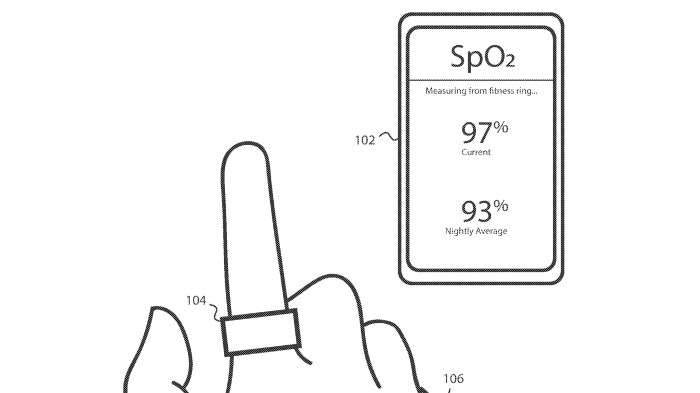
Fitbits smart ring patent is just the beginning – Fitbit’s smart ring patent is just the beginning of a revolution in wearable technology. This groundbreaking development promises to reshape the future of fitness tracking, health monitoring, and beyond. From the early days of fitness trackers to the sophisticated smartwatches of today, wearable technology has continuously evolved. This new patent hints at a significant leap forward, potentially offering a more integrated and personalized experience for users.
The potential applications of a smart ring extend far beyond basic fitness tracking. Imagine a ring that monitors vital signs, facilitates contactless payments, and even allows for seamless communication. This patent opens doors to innovative solutions for health and wellness, potentially revolutionizing how we interact with technology and manage our health.
Technological Advancements in Wearable Tech
The evolution of wearable technology has been nothing short of remarkable. From simple pedometers to sophisticated smartwatches, these devices have become integral parts of our daily lives, seamlessly blending functionality with fashion. This journey has been driven by relentless innovation, particularly in miniaturization and sensor technology. This exploration will delve into the historical context, the present state of the art, and future trends in wearable devices.Wearable technology, once relegated to niche applications, has rapidly permeated mainstream culture.
The convergence of computing power, miniaturized electronics, and sophisticated sensors has created a wealth of possibilities for enhancing our health, productivity, and overall experience. This has resulted in a diverse range of devices, each tailored to specific needs and preferences. The following sections will detail this evolution and highlight the key drivers behind this phenomenal growth.
Historical Overview of Wearable Technology
Early wearable technology focused primarily on basic fitness tracking. Mechanical pedometers, developed in the 20th century, were among the first attempts to quantify physical activity. The 1990s saw the rise of digital watches with rudimentary step-counting capabilities, marking a transition towards more sophisticated data collection. These early devices laid the groundwork for the explosion of wearable technology in the 21st century.
Fitbit’s smart ring patent is just the beginning of a whole new wave of wearable tech, and the recent announcement of the Linksys killer gaming router release date pricing announced, here , hints at the potential for even more innovative connected devices. Expect more interconnected gadgets that seamlessly blend into our daily lives, pushing the boundaries of what’s possible in personal health and home networking, all stemming from the initial concept of the smart ring.
The introduction of the first fitness trackers like the Fitbit and Jawbone UP further popularized the concept of quantified self.
Current State of Wearable Technology
The current landscape of wearable technology is characterized by a proliferation of smartwatches, fitness trackers, and emerging categories. Smartwatches have evolved beyond simple timekeeping, integrating features like mobile payments, music playback, and even basic health monitoring. Fitness trackers, meanwhile, offer a wide array of metrics, including heart rate, sleep analysis, and activity levels. The lines between these categories are increasingly blurred as devices combine multiple functionalities.
Emerging trends include the integration of more advanced sensors, personalized health insights, and seamless connectivity with other smart devices.
Comparison of Wearable Device Functionalities
Smartwatches often provide a more comprehensive suite of features, combining fitness tracking with communication and productivity tools. Fitness trackers, on the other hand, are typically focused on activity monitoring and health metrics. The choice between a smartwatch and a fitness tracker depends on individual needs and priorities. A dedicated smartwatch may offer more comprehensive functionality, while a fitness tracker might be sufficient for someone primarily interested in tracking their physical activity.
Impact of Miniaturization and Sensor Technology
Miniaturization has been a crucial driver of wearable technology advancements. Smaller, more powerful components allow for the creation of lighter, more comfortable devices. Advancements in sensor technology, particularly in areas like heart rate monitoring, sleep analysis, and environmental sensing, have enabled more accurate and detailed data collection. This miniaturization has made it possible to integrate sophisticated sensors into increasingly compact form factors, improving user experience and broadening the range of applications.
Progression of Smart Ring Features
| Feature | Generation 1 | Generation 2 | Generation 3 |
|---|---|---|---|
| Basic Activity Tracking | Steps, distance | Steps, distance, calories burned | Steps, distance, calories burned, sleep analysis |
| Heart Rate Monitoring | Basic heart rate | Real-time heart rate, heart rate variability | Advanced heart rate analysis, stress detection |
| Connectivity | Bluetooth | Bluetooth, optional Wi-Fi | Bluetooth, Wi-Fi, NFC |
| User Interface | Simple display | Touchscreen display | Customizable interface, haptic feedback |
Smart rings, in their nascent stages, have already demonstrated the potential for integrating sophisticated health monitoring and activity tracking in a discreet and elegant form factor. The future holds immense promise for these devices, as ongoing technological advancements further refine their functionalities and capabilities.
The Implications of Smart Ring Patents: Fitbits Smart Ring Patent Is Just The Beginning
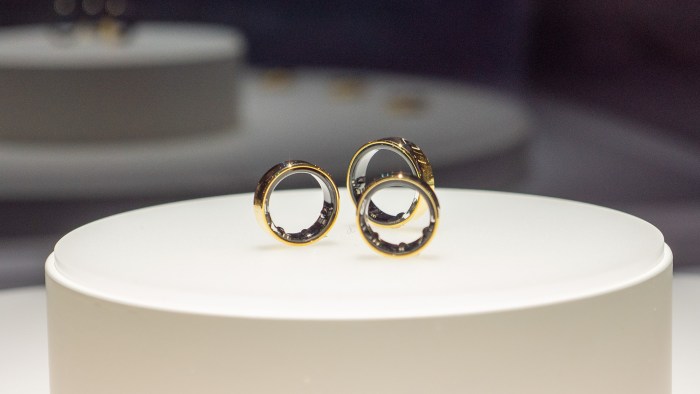
Fitbit’s potential smart ring patent represents a significant leap forward in wearable technology, opening up a world of possibilities beyond simple fitness tracking. This innovative device promises to reshape the way we interact with technology, offering a more intuitive and integrated experience in our daily lives. The implications extend far beyond the initial concept, touching on health monitoring, communication, and even financial transactions.The patent hints at a future where wearable technology seamlessly integrates into our daily routines, monitoring our health, and providing personalized insights.
This shift from basic fitness trackers to comprehensive health companions is likely to redefine the very notion of wearable devices. The development of a smart ring capable of advanced functionality could lead to a dramatic shift in the current market landscape.
Potential Impact on the Future of Wearable Technology
The introduction of a smart ring could dramatically alter the future of wearable technology. By offering a more discreet and comfortable form factor than traditional smartwatches, smart rings could become a popular alternative for everyday use. This potential shift in preference could significantly impact the sales and development of competing wearable devices. The emphasis on a more intimate and personal interface, facilitated by the ring’s proximity to the user, could also lead to a new era of personalized health management.
Potential Applications Beyond Fitness Tracking
A smart ring’s potential extends far beyond fitness tracking. It could serve as a comprehensive health monitoring device, detecting subtle physiological changes and providing real-time feedback to the user. Imagine a ring capable of monitoring heart rate variability, blood oxygen levels, and even detecting early signs of potential health issues. Furthermore, a smart ring could revolutionize payment systems, eliminating the need for wallets and facilitating secure transactions.
The ring could also serve as a communication device, allowing for quick interactions and notifications.
Market Opportunities and Challenges
The market for smart rings presents significant opportunities. The potential for a large user base is evident, especially among tech-savvy consumers seeking advanced health and lifestyle management tools. However, significant challenges exist, including the need for robust security measures to protect sensitive health data and the development of user-friendly interfaces for seamless integration with existing technologies. A crucial aspect will be establishing trust and confidence in the data accuracy and security of the smart ring.
Disruption of the Existing Wearable Market
The introduction of a smart ring could potentially disrupt the existing wearable technology market, particularly for fitness tracking. The comfort, convenience, and integrated nature of a smart ring could make it a more appealing alternative to smartwatches or fitness bands. Furthermore, its potential for expanding beyond fitness tracking into other areas like health monitoring and payments could challenge existing players.
Fitbit’s smart ring patent is definitely a fascinating glimpse into the future of wearable tech. It’s exciting to see how this innovation might evolve, and it’s not hard to imagine the potential applications for health monitoring and wellness. This kind of innovation is directly related to the increasing importance of coding skills for the future. A great example of how technology is bridging the gap is the Apple Swift Playground app, which teaches kids to code in a fun and engaging way.
apple swift playground app teaches kids to code This is just the beginning of a wave of exciting possibilities, and Fitbit’s smart ring patent is right at the forefront of it all.
Existing market leaders would need to adapt and innovate to remain competitive.
Influence on User Experience and Interaction
A smart ring could significantly influence user experience and interaction with technology. The ring’s direct contact with the user could provide a more intuitive and seamless experience compared to traditional devices. It could potentially replace or augment current methods of interacting with technology, creating a more personalized and hands-free approach. This could lead to a greater degree of convenience and accessibility for a broader range of users.
Integration with Existing Technologies
| Technology | Integration Method | Potential Benefit |
|---|---|---|
| Smartphones | Bluetooth connectivity | Real-time data syncing, notifications, and app control |
| Payment Systems | Near-field communication (NFC) | Secure and contactless payments |
| Health Monitoring Devices | Data sharing protocols | Comprehensive health insights |
| Home Automation Systems | Voice control integration | Hands-free control of smart home devices |
Market Response and Consumer Adoption
The introduction of a smart ring, a novel wearable technology, presents a fascinating opportunity to explore consumer reactions and adoption patterns. While the concept of wearable tech is not entirely new, the unique form factor of a ring presents distinct challenges and opportunities in terms of user experience and market positioning. Understanding potential consumer reactions is crucial for effective marketing and strategic product development.The success of any new wearable technology hinges on a strong understanding of the target demographic and their motivations for adoption.
Factors such as perceived value, ease of use, and integration with existing digital lifestyles will play a pivotal role in shaping consumer response. Price sensitivity, a key driver in the electronics market, will undoubtedly influence purchasing decisions. This analysis will explore potential consumer reactions, adoption factors, and strategic marketing approaches.
Predicted Consumer Reactions
Consumers will likely exhibit a range of reactions to the smart ring, from enthusiastic adoption to cautious skepticism. Early adopters, known for their willingness to try new technologies, will likely be drawn to the novelty and potential for personalized experiences. Conversely, a significant portion of the market might be hesitant due to concerns about the added complexity and potential for discomfort associated with a ring-based device.
Fitbit’s smart ring patent is just the tip of the iceberg, hinting at a future of wearable tech innovation. While we’re all buzzing about the potential, a recent story about an HBO hacker charged in relation to the Game of Thrones leak ( hbo hacker charged game of thrones ) reminds us of the fascinating, yet often unsettling, intersection of technology and entertainment.
This just goes to show that as technology advances, so do the potential risks and rewards, and Fitbit’s smart ring is likely just the beginning of a much larger trend.
The ring’s functionality and integration with existing mobile devices will play a critical role in shaping user experience. A positive initial user experience will be critical for broader acceptance.
Factors Influencing Consumer Adoption
Several key factors will influence consumer adoption of the smart ring. Price point, a crucial element for mass-market appeal, will significantly impact initial sales. A tiered pricing structure, reflecting different feature sets, could effectively target various segments. The intuitive user interface and ease of use will also be vital to encouraging widespread adoption. Integration with existing platforms, like popular fitness apps, will enhance the appeal and utility of the device.
The perceived value proposition, the combination of features and benefits, will be a key differentiator in a crowded wearable market.
Potential Marketing Strategies
Successful marketing campaigns for wearable technologies often leverage emotional connections and highlight the tangible benefits of the product. Focus on personalized experiences and health-oriented features can resonate with potential customers. Collaborations with influential figures in the fitness and wellness space could further enhance brand awareness. Emphasizing the seamless integration with existing smart devices and platforms is vital for successful marketing.
The marketing strategy should carefully consider how to position the smart ring in a way that sets it apart from other wearable devices.
Examples of Successful Marketing Campaigns
Numerous successful marketing campaigns for wearable technologies demonstrate the importance of focusing on user needs and highlighting the unique value proposition of the device. For example, Apple’s marketing strategy for the Apple Watch emphasized its seamless integration with other Apple products and its role in daily life. Similarly, Fitbit’s focus on fitness tracking and community engagement has been crucial to their success.
Analyzing these campaigns provides valuable insights for developing a targeted marketing strategy for a smart ring.
Pricing Models
Different pricing models cater to various consumer segments and feature sets. The table below illustrates potential pricing tiers, features, and target demographics for a smart ring.
| Price Tier | Features Included | Target Demographic |
|---|---|---|
| Entry-Level | Basic fitness tracking, notifications, simple interactions | Budget-conscious consumers, casual users |
| Mid-Range | Advanced fitness tracking, health monitoring, social integration, contactless payment | Health-conscious individuals, tech enthusiasts |
| Premium | Comprehensive health monitoring, advanced analytics, personalized recommendations, integration with various health-related devices | Professionals, affluent consumers, those seeking advanced wellness support |
Market Response Differences
The market response to smart rings may differ from other wearables due to the ring’s unique form factor. The physical design will significantly impact comfort, usability, and overall user experience. Potential concerns about style and aesthetics may influence consumer decisions. Furthermore, the ring’s potential for interaction with existing jewelry and fashion trends needs careful consideration.

Potential Health and Wellness Applications
The burgeoning field of wearable technology is poised to revolutionize healthcare, and smart rings, with their potential for continuous, non-invasive monitoring, could be a game-changer. These rings, combining cutting-edge sensor technology with sophisticated algorithms, offer the prospect of significantly improving health and wellness by moving beyond periodic checkups and enabling proactive health management.Smart rings, unlike traditional fitness trackers, have the unique potential to continuously monitor a wider range of vital signs, providing users with personalized feedback and insights into their health status.
This proactive approach, coupled with the ability to support preventative healthcare and early disease detection, promises to dramatically improve health outcomes and reduce healthcare costs.
Monitoring Vital Signs and Personalized Feedback
Smart rings can seamlessly integrate with existing health data and apps, offering a comprehensive view of a user’s health. By utilizing advanced sensors, these devices can track various physiological parameters, such as heart rate variability, skin temperature, and even subtle changes in blood flow. These readings, coupled with machine learning algorithms, can then provide personalized insights and recommendations, helping users understand patterns and make informed decisions about their health.
For instance, a gradual decrease in heart rate variability might be flagged as a potential indicator of stress, prompting the user to consider stress-reducing techniques.
Supporting Preventative Healthcare and Early Disease Detection
The continuous monitoring capabilities of smart rings could be instrumental in supporting preventative healthcare and early disease detection. By analyzing patterns in vital signs over time, the rings can identify potential health risks before they manifest as noticeable symptoms. This allows individuals to take proactive steps to mitigate those risks and potentially prevent serious illnesses. Imagine a user whose smart ring detects a subtle elevation in blood pressure, prompting them to adjust their diet or increase physical activity.
Role in Remote Patient Monitoring
Smart rings hold significant potential in remote patient monitoring, enabling healthcare providers to track patients’ health status outside of clinical settings. This could be particularly valuable for managing chronic conditions, providing remote support to patients in their homes, and facilitating timely intervention. Doctors can receive real-time data on patients’ vitals, enabling them to identify potential issues and respond swiftly, potentially preventing hospitalizations.
This is especially relevant for elderly patients or those with conditions that require constant monitoring.
Limitations and Ethical Considerations
Despite the potential benefits, the use of smart rings for health monitoring also presents limitations and ethical considerations. Accuracy of sensor readings, data privacy concerns, and the potential for misinterpretation of data require careful consideration. Furthermore, the reliance on data collected by wearable devices raises concerns about data security and the potential for misuse. Robust data security protocols and clear guidelines for data privacy are crucial to ensure user trust and responsible use.
Potential Health Data Collection, Fitbits smart ring patent is just the beginning
| Data Point | Sensor Type | Data Accuracy |
|---|---|---|
| Heart Rate | Optical sensor | High, typically within ±2 bpm |
| Heart Rate Variability | Optical sensor | Moderate, influenced by factors like movement and sleep |
| Skin Temperature | Thermal sensor | Good, but can be affected by ambient temperature |
| Blood Oxygen Saturation | Optical sensor | Moderate, can be affected by factors like movement and blood flow |
| Movement Patterns | Accelerometer/Gyroscope | High, useful for activity tracking |
The Future of Wearable Technology
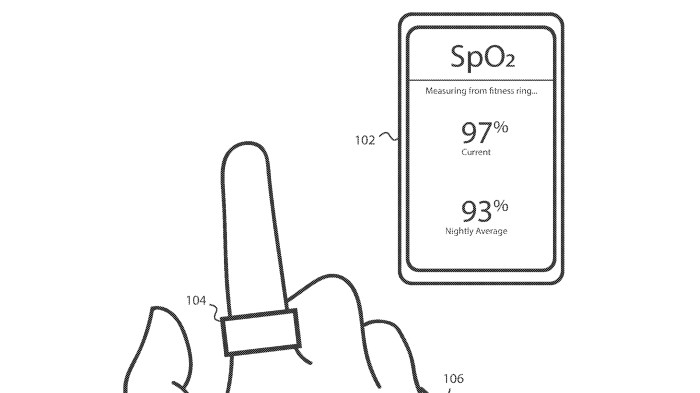
The recent surge in smart ring patents signals a growing interest in wearable technology beyond the traditional smartwatch. This evolution promises to reshape how we interact with technology and manage our health and well-being. As technology advances, we can anticipate even more sophisticated and integrated devices that seamlessly blend with our lives.The future of wearables isn’t just about adding more features; it’s about creating truly useful and user-friendly devices that adapt to our daily routines.
This means designing devices that are comfortable to wear, seamlessly integrate with existing technology, and offer meaningful insights and applications. The smart ring is just one example; the potential extends far beyond this initial innovation.
Potential Evolution of Wearable Forms
Wearable technology is poised for a significant transformation, moving beyond wrist-based devices to encompass a broader range of form factors. We’re likely to see more flexible and adaptable devices that conform to the body in more intuitive ways. This could involve clothing integrated with sensors, embedded microchips, or even implants. Imagine a shirt that monitors your heart rate or a pair of shoes that track your steps and analyze your gait.
These innovations are not simply theoretical; advancements in material science and microelectronics are driving the development of these increasingly sophisticated and comfortable devices.
Emerging Trends and Technologies
Several emerging technologies are poised to significantly impact the future of wearables. Biometric sensors are becoming increasingly sophisticated, allowing for more precise and comprehensive health monitoring. This translates into improved diagnostics and preventative care, allowing individuals to take a more proactive approach to their well-being. Wireless charging technology is also advancing, eliminating the need for frequent battery replacements and enabling longer-lasting wearables.
The integration of artificial intelligence (AI) into these devices will lead to more personalized experiences, providing tailored recommendations and insights based on individual user data.
Impact of Material Science and Microelectronics
Advancements in materials science are critical for the future of wearables. Flexible and stretchable materials are enabling the development of wearable devices that conform to the body, leading to greater comfort and user acceptance. The miniaturization of microelectronics allows for more powerful processing within smaller packages, improving device performance and enabling more features. These advancements are essential for creating devices that are not only functional but also aesthetically pleasing and comfortable to wear.
Importance of User Experience
The user experience (UX) will be a key differentiator in the future of wearable technology. Intuitive interfaces and seamless integration with existing systems are crucial for user adoption. The design of future wearables should focus on unobtrusive integration into daily life, allowing users to interact with the devices effortlessly and naturally. This approach prioritizes ease of use and minimizes the cognitive load associated with managing the devices.
Evolution of Smart Rings
Smart rings are likely to evolve from simple fitness trackers to more comprehensive health and wellness monitors. Imagine a ring that not only tracks your activity levels but also monitors your sleep patterns, detects subtle changes in your heart rate, and provides personalized recommendations for improving your well-being. The ring could also integrate with other smart devices, allowing for seamless data sharing and control.
Wearable technology will become increasingly integrated into our daily lives, seamlessly blending with our physical presence and supporting our health and well-being in ways that were previously unimaginable.
Closing Summary
The Fitbit smart ring patent represents a significant advancement in wearable technology, with implications that ripple far beyond fitness tracking. From the potential for improved health monitoring and enhanced user experience to the possibility of disrupting existing markets, this innovation holds tremendous promise. The future of wearable technology is undoubtedly shaping up to be exciting and full of possibilities, and the smart ring could be at the forefront of this evolution.