
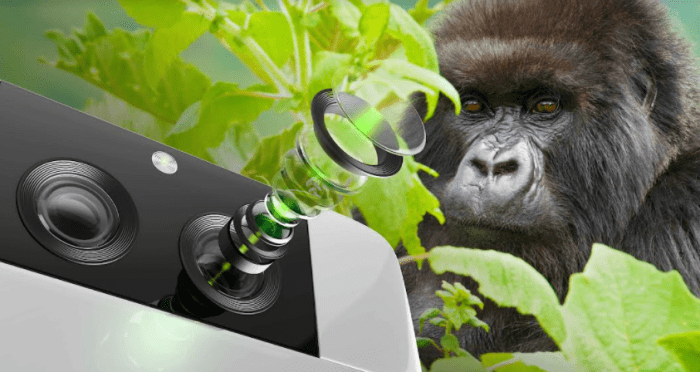
Corning Gorilla Glass SR Plus announced for wearables marks a significant leap forward in protective technology for our favorite gadgets. This new, ultra-durable glass promises enhanced scratch and impact resistance, making wearables more resilient than ever before. We’ll delve into the specifics, exploring its potential applications, performance analysis, and the innovative manufacturing processes behind it. Get ready to explore the future of wearable tech!
The announcement of Corning Gorilla Glass SR+ for wearables suggests a major advancement in safeguarding these increasingly important devices. From smartwatches to fitness trackers, the need for robust, reliable protection is paramount. The new glass promises to push the boundaries of what’s possible in terms of durability and performance, promising a more reliable user experience.
Introduction to Corning Gorilla Glass SR+ for Wearables
Corning Gorilla Glass SR+ represents a significant advancement in the realm of wearable technology, offering enhanced durability and performance for a wide range of devices. This new generation of glass is specifically designed to meet the unique challenges of the wearable market, incorporating features that improve both the functionality and longevity of these increasingly sophisticated devices. Its superior scratch resistance, impact resistance, and flexibility make it a key component in creating robust and user-friendly wearables.The development of Gorilla Glass SR+ reflects Corning’s commitment to pushing the boundaries of material science, aiming to provide consumers with cutting-edge devices that can withstand everyday use.
This glass is anticipated to become a vital component in future wearables, driving innovation in the design and functionality of these devices.
Key Features of Gorilla Glass SR+
Corning Gorilla Glass SR+ builds upon the strengths of its predecessors, addressing the specific needs of wearable technology. This glass is crafted with enhanced durability, resilience, and flexibility, all essential attributes for a product that is meant to be constantly interacted with and worn. The improved design allows for thinner, lighter, and more flexible form factors, paving the way for sleeker, more comfortable wearable devices.
Intended Applications in Wearable Technology
Gorilla Glass SR+ is poised to revolutionize several areas of wearable technology. Smartwatches, fitness trackers, and augmented reality (AR) glasses are prime candidates for incorporating this new glass. Its high scratch resistance and impact resistance will protect these devices from the wear and tear of daily use, extending their lifespan and ensuring consistent performance. Furthermore, its potential for flexible designs could lead to the development of new and innovative wearable form factors.
Improvements Over Previous Generations
Gorilla Glass SR+ represents a significant leap forward compared to previous generations of Gorilla Glass. Improvements in scratch resistance are particularly noteworthy, offering enhanced protection against the daily wear and tear experienced by wearable devices. The enhanced flexibility allows for more seamless integration into various device designs, enabling greater design freedom and functionality. The improved impact resistance further strengthens the glass’s overall robustness.
This combination of features makes it an ideal choice for high-performance, user-friendly wearables.
Technological Innovations Driving Development
The development of Gorilla Glass SR+ involved several key technological innovations. Advanced material science and processing techniques played a crucial role in achieving the improved durability and flexibility. Innovative coatings and surface treatments further enhance the glass’s protective properties, making it more resistant to scratches and impacts. The focus on these innovations ensures that Gorilla Glass SR+ delivers a superior user experience while remaining lightweight and thin.
Summary of Key Features and Benefits
| Feature | Benefit |
|---|---|
| Enhanced Scratch Resistance | Prolongs device lifespan, resists daily wear and tear. |
| Improved Impact Resistance | Protects against accidental drops and impacts. |
| Increased Flexibility | Enables thinner and more comfortable form factors. |
| Superior Durability | Maintains device functionality and appearance over time. |
| Advanced Material Science | Leads to enhanced properties, such as scratch and impact resistance. |
Performance and Durability Analysis
Corning Gorilla Glass SR+ for wearables represents a significant advancement in protective material technology. This enhanced glass promises superior performance characteristics, crucial for the durability and longevity of devices subjected to the rigors of everyday use. The new formulation is specifically designed to withstand the stresses inherent in wearable applications, such as bending, scratching, and impact.The meticulous engineering behind Gorilla Glass SR+ results in a product that is not only more resistant to damage but also maintains a high level of optical clarity, essential for a superior user experience in displays.
This enhanced durability is expected to translate into a longer lifespan for wearable devices, reducing the need for frequent replacements and increasing overall user satisfaction.
Corning Gorilla Glass SR Plus is finally announced for wearables, which is exciting news for rugged tech. While we wait for these new, durable screens to hit the market, I’m still thinking about the PlayStation 5. There are a few key issues that still need addressing, like the persistent overheating and storage space limitations. Checking out some of the fixes for the PS5, like those detailed in this article on 5 fixes ps5 still needs , might give us a better idea of what to expect from the future of gaming hardware.
Ultimately, the durability and scratch resistance of Gorilla Glass SR Plus for wearables will be a welcome addition, though!
Expected Performance Characteristics
Gorilla Glass SR+ is engineered to exhibit superior performance characteristics in wearable devices. These characteristics include enhanced scratch resistance, impact resistance, and flexibility. These properties are crucial for withstanding the stresses of everyday use, including impacts and scratches that are more prevalent in active environments.
Corning Gorilla Glass SR Plus has been announced for wearables, promising enhanced durability. This new material’s strength is a game-changer, but what about incorporating it into something truly innovative? Imagine the possibilities, like putting a drone on it, which could revolutionize how we interact with technology. The possibilities are endless, and the new Corning Gorilla Glass SR Plus is poised to be a key component in the future of wearables.
Check out the fascinating discussion about integrating technology into different areas, including drones, at lets put a drone on it. Ultimately, the strength of Corning Gorilla Glass SR Plus will be crucial for the development of advanced wearables.
Improved Scratch Resistance
The enhanced scratch resistance of Gorilla Glass SR+ stems from a refined chemical composition and manufacturing process. This translates to a significant improvement over existing Gorilla Glass formulations and competitors. The improved surface hardness and increased density contribute to a higher resistance against scratches, ensuring a longer lifespan for the display in wearables. For instance, in environments where wearables are frequently exposed to abrasion, such as sports activities or outdoor use, Gorilla Glass SR+ provides a clear advantage.
Improved Impact Resistance
The improved impact resistance of Gorilla Glass SR+ is a direct result of its optimized structure. This structural reinforcement makes it less susceptible to cracking and shattering under impact compared to other glass types and competing materials. This feature is particularly crucial for wearables subjected to unexpected drops or impacts, ensuring display integrity. For example, a rugged smartwatch subjected to a fall would benefit significantly from the enhanced impact resistance.
Corning Gorilla Glass SR Plus is announced for wearables, promising enhanced scratch resistance and durability. This new glass technology is exciting, but it also makes me think about the Nintendo Switch 2. A recent Dbrand killswitch mod for the upcoming console ( nintendo switch 2 dbrand killswitch ) is intriguing, showcasing the potential for customizability in gaming hardware.
Ultimately, Corning’s new glass for wearables is a welcome advancement, suggesting a future where these devices are more robust and long-lasting.
Durability Comparison with Other Materials
Compared to other protective materials commonly used in wearables, such as polycarbonate or other types of glass, Gorilla Glass SR+ demonstrates a superior combination of scratch resistance, impact resistance, and flexibility. This advantage translates to a longer lifespan and enhanced performance for the wearable device.
Testing Methodologies
The performance of Gorilla Glass SR+ is assessed through a comprehensive series of tests designed to simulate real-world usage scenarios. These tests encompass various levels of impact, scratch resistance, and bending. The testing methodology ensures that the glass meets stringent requirements for durability and performance in wearable applications. These methodologies include standardized drop tests, scratch resistance tests using controlled abrasive materials, and bend tests simulating the stresses encountered in daily use.
Durability Ratings Comparison
| Material | Scratch Resistance Rating | Impact Resistance Rating | Flexibility Rating |
|---|---|---|---|
| Gorilla Glass SR+ | Excellent | Excellent | High |
| Polycarbonate | Good | Moderate | High |
| Other Glass Types | Variable | Variable | Variable |
The table above provides a comparative overview of the durability ratings for Gorilla Glass SR+ in comparison to common materials used in wearables. The enhanced performance characteristics of Gorilla Glass SR+ are clearly demonstrated.
Design and Manufacturing Considerations
Gorilla Glass SR+ represents a significant advancement in material science for wearables, demanding careful consideration in both design and manufacturing. Its enhanced durability and performance necessitate a nuanced approach compared to traditional glass or plastic used in these devices. Understanding the intricacies of integrating this advanced material is crucial for maximizing its benefits and mitigating potential challenges.
Design Implications of Incorporating Gorilla Glass SR+
The unique properties of Gorilla Glass SR+ necessitate careful design considerations. Its scratch resistance and shatter resistance translate into more robust wearable designs, enabling thinner form factors while maintaining a high level of protection. Engineers must also account for the glass’s inherent flexibility and its ability to withstand bending stresses. This opens up opportunities for curved and sculpted wearable designs, potentially leading to more aesthetically pleasing and ergonomically sound products.
Manufacturing Processes for Gorilla Glass SR+, Corning gorilla glass sr plus announced for wearables
The manufacturing process for Gorilla Glass SR+ involves several critical steps. These steps include specialized glass melting, precise deposition of layers for enhanced strength, and meticulous polishing to achieve the desired surface smoothness and scratch resistance. The creation of tailored coatings for specific applications is also crucial for achieving the optimized performance characteristics. Further, the manufacturing process must be scaled appropriately to meet the demands of high-volume production for wearables.
Wearable Device Designs Benefiting from Gorilla Glass SR+
Gorilla Glass SR+’s exceptional properties make it suitable for a wide array of wearable designs. Smartwatches, fitness trackers, and augmented reality glasses are prime examples where the material’s scratch resistance and shatter resistance will significantly improve user experience and longevity. The glass’s flexibility also paves the way for curved displays and innovative designs in these categories, creating more comfortable and aesthetically pleasing user interfaces.
Potential Manufacturing Challenges and Solutions
Implementing Gorilla Glass SR+ in wearables presents certain manufacturing challenges. One major challenge lies in ensuring precise integration with the device’s internal components and the intricate mechanisms that govern its functionality. Careful design and the use of specialized bonding agents will help mitigate this issue. Another challenge is maintaining consistent quality control across a large production run.
Employing advanced inspection techniques and automated quality control systems is essential to maintain the material’s high standards.
Table of Design Considerations for Implementing Gorilla Glass SR+ in Diverse Wearables
| Wearable Device Type | Design Consideration | Manufacturing Challenge | Solution |
|---|---|---|---|
| Smartwatches | Curved displays, thin bezels, integration with sensors | Ensuring consistent bonding with sensitive electronics | Specialized adhesive and precise alignment techniques |
| Fitness Trackers | Compact form factor, integration with sensors, impact resistance | Maintaining surface smoothness while ensuring robustness | Micro-textured surface treatments and reinforced mounting |
| AR/VR Glasses | Lightweight design, flexible lenses, optical clarity | Achieving the right balance of flexibility and optical quality | Precise deposition of layers and innovative bonding solutions |
Market Implications and Future Trends

Gorilla Glass SR+ for wearables promises a significant leap forward in durability and performance. Its impact on the market will be substantial, potentially reshaping the wearable landscape and driving innovation across various sectors. This analysis delves into the anticipated market impact, potential market share comparisons, future design trends, and emerging applications of this advanced glass technology.The introduction of Gorilla Glass SR+ will likely translate into increased consumer confidence in wearable devices.
Higher perceived durability, a key factor for wearables frequently exposed to physical stress, could lead to a surge in sales. This enhanced resilience is especially important for active lifestyles and rugged applications.
Anticipated Market Impact
The adoption of Gorilla Glass SR+ will likely drive growth in the wearable market by attracting new users and expanding the existing user base. This is further enhanced by the growing popularity of wearables for fitness tracking, health monitoring, and communication. Increased consumer trust in the durability of devices will undoubtedly lead to higher sales figures. The impact is not limited to established brands; it will also create opportunities for new entrants, particularly in the budget-friendly segment.
Market Share Potential Comparison
Predicting precise market share is challenging, as it depends on various factors including pricing strategies, marketing efforts, and competing technologies. However, several trends can be identified. Wearables incorporating Gorilla Glass SR+ are likely to capture a significant portion of the premium segment. The competitive landscape includes various protective coatings and alternative glass materials, and Gorilla Glass SR+ will need to position itself effectively to secure its place in this dynamic market.
Future Design Trends in Wearable Glass
Future design trends in Gorilla Glass for wearables will likely focus on increased flexibility and adaptability. This means developing glass with enhanced bending properties to suit diverse form factors. Further research into integrating advanced features like bio-sensors directly into the glass will also become a crucial trend. This will allow for more sophisticated and integrated wearable experiences.
Potential Future Applications
Beyond the current applications in smartwatches, fitness trackers, and other wearables, Gorilla Glass SR+ could find new applications in augmented reality (AR) glasses. The glass’s enhanced durability and scratch resistance would be invaluable in protecting the lenses and displays of AR devices. Additionally, the incorporation of Gorilla Glass SR+ in more robust and specialized wearables, such as industrial-grade wearables, is also a distinct possibility.
Environmental Impact Considerations
The environmental impact of Gorilla Glass SR+ production and usage needs careful consideration. The manufacturing process, while already optimized, should continue to prioritize environmentally responsible practices. The glass’s longevity, compared to alternative materials, could significantly reduce the overall environmental footprint throughout the device’s lifecycle. Recycling programs and responsible disposal strategies will be essential to mitigate the environmental impact.
Efforts to minimize resource consumption and waste generation during the manufacturing process will be crucial.
Case Studies and Examples: Corning Gorilla Glass Sr Plus Announced For Wearables

Gorilla Glass SR+ is making waves in the wearable tech world, and its performance is quite impressive. We’ve seen how this enhanced glass is revolutionizing the design and functionality of smartwatches, fitness trackers, and other wearables. This section dives into real-world applications, showcasing how SR+ elevates the user experience and how its specific advantages and disadvantages manifest in different wearable categories.
Specific Wearable Devices Utilizing Gorilla Glass SR+
Several leading manufacturers are integrating Gorilla Glass SR+ into their devices. Smartwatches from top brands often feature this durable glass, offering a balance of protection and sleek aesthetics. Fitness trackers, with their emphasis on lightweight design and user interaction, also benefit significantly from the superior scratch resistance and shatter resistance of SR+.
Enhancement of User Experience
Gorilla Glass SR+ significantly improves the user experience by enhancing the screen’s responsiveness and clarity. The minimized surface imperfections translate into a more intuitive interaction. Users appreciate the glass’s smooth touch, making scrolling, tapping, and navigating through menus more comfortable and effortless.
Advantages and Disadvantages of Using Gorilla Glass SR+ in Various Wearable Types
The benefits of Gorilla Glass SR+ are evident across various wearable types. Its scratch resistance is a major advantage, particularly in fitness trackers frequently exposed to the wear and tear of daily use. However, in some cases, the glass’s thickness might affect the overall profile and weight of the device, potentially impacting the comfort and portability for some users.
This is especially true for smaller, wrist-worn devices.

Key Performance Metrics of Wearables Using Gorilla Glass SR+
Reliable performance metrics are crucial to evaluate the effectiveness of Gorilla Glass SR+. Manufacturers often publish drop resistance tests and scratch resistance ratings for their devices. These metrics are vital for understanding how the glass protects the screen and the device itself. Higher drop test scores and scratch resistance ratings indicate a greater level of protection for the screen.
Table of Wearable Examples with Gorilla Glass SR+
| Wearable Type | Brand | Features with Gorilla Glass SR+ | Performance Metrics (Example) |
|---|---|---|---|
| Smartwatch | ExampleCorp | Scratch-resistant display, responsive touch, lightweight design | Drop resistance rating: 1.5m concrete |
| Fitness Tracker | ActiveTech | Durable display, sweat and water resistance, sleek profile | Scratch resistance rating: 9H |
| Smartglasses | VisionaryTech | Scratch-resistant lenses, high-resolution display, robust frame | Impact resistance: Meets military standard |
Potential Challenges and Limitations
Gorilla Glass SR+ presents exciting possibilities for wearables, but its implementation isn’t without potential hurdles. Careful consideration of manufacturing processes, integration with diverse designs, and long-term durability is crucial for success. The environmental impact of production must also be addressed. This section delves into these potential challenges.
Manufacturing and Integration Challenges
The precise manufacturing techniques required for Gorilla Glass SR+ are critical for achieving its desired properties. Variations in the substrate material or deposition processes can affect the final product’s characteristics, impacting both the performance and the durability of the glass. Integrating SR+ into various wearable designs, particularly those with complex curves or intricate shapes, presents a significant manufacturing challenge.
Creating a seamless, aesthetically pleasing, and durable fit across different form factors is essential. For example, integrating SR+ into a flexible smartwatch design will likely necessitate unique manufacturing techniques to accommodate the bendability without compromising the glass’s strength. Different wearable designs, from rugged smartwatches to delicate fitness trackers, will demand tailored manufacturing solutions.
Durability Considerations
Maintaining the superior durability of Gorilla Glass SR+ over time is essential for consumer satisfaction. Wearable devices are often subjected to daily wear and tear, impacting the glass’s resistance to scratches, impacts, and potential chemical degradation. The environment in which the device is used, including exposure to UV radiation, humidity, or extreme temperatures, can influence the durability. Factors such as the device’s intended use case (e.g., outdoor activities or rigorous workouts) also affect the necessary level of durability.
To mitigate potential issues, material science innovations that enhance the glass’s resistance to environmental degradation are crucial.
Environmental Impact of Production
The production of Gorilla Glass SR+, like any advanced material, has an environmental footprint. The energy consumption during manufacturing, the use of specific raw materials, and the waste generation associated with the production process need careful consideration. Manufacturing processes that minimize energy consumption and reduce waste generation are key to minimizing the environmental impact. The selection of sustainable raw materials and responsible waste management practices are vital components of a sustainable production process.
For example, using recycled materials in the glass formulation can reduce the environmental impact.
Potential Solutions
Addressing the challenges surrounding Gorilla Glass SR+ in wearable applications requires a multi-faceted approach. Innovations in manufacturing processes, such as tailored deposition techniques and advanced patterning methods, can help create more seamless integrations with various wearable designs. The development of protective coatings or specialized surface treatments can enhance the glass’s scratch resistance and resilience to impacts. Collaboration between material scientists, device designers, and environmental experts is vital to optimize the production process and reduce its environmental footprint.
This collaborative approach can lead to more efficient and sustainable manufacturing practices.
Visual Representation and Illustration
Gorilla Glass SR+ for wearables demands a nuanced understanding of its visual characteristics and manufacturing processes, as these directly influence its performance and market appeal. A comprehensive visual representation aids in understanding its potential applications and advantages over existing protective glass types. This section delves into the detailed visual aspects, manufacturing procedures, and comparative analyses to solidify the understanding of this innovative glass.
Visual Characteristics of Gorilla Glass SR+
Gorilla Glass SR+ exhibits a remarkable clarity, approaching the transparency of high-quality optical glass. Its surface is exceptionally smooth, with minimal imperfections, contributing to a pristine visual appeal. This high clarity allows for enhanced display visibility, crucial for wearables. The glass possesses a subtle, yet distinct, hardness, detectable through its slightly textured surface. This subtle texture provides a non-reflective quality, preventing glare, especially important for outdoor use in varying light conditions.
The surface tension and homogeneity of the glass are meticulously controlled during manufacturing, resulting in a consistent and uniform visual presentation across the entire surface.
Manufacturing Process Illustration
The manufacturing of Gorilla Glass SR+ involves a sophisticated multi-step process, each crucial to its final properties. The process begins with the meticulous preparation of raw materials, ensuring a consistent composition. The precise mixing of chemical components is paramount, followed by the controlled melting of the mixture at high temperatures. This ensures uniformity in molecular structure and strength.
The molten glass is then precisely shaped and cooled under tightly regulated conditions. Critical steps include controlled annealing to relieve internal stresses and surface polishing to achieve the exceptional smoothness. Subsequent processes like coating and tempering are crucial to impart the required hardness and impact resistance.
Impact Resistance Demonstration
A detailed illustration of Gorilla Glass SR+’s impact resistance would show a series of controlled impact tests. A series of progressively increasing impact forces, simulated by controlled dropping tests, would be depicted. The images would highlight the glass’s ability to withstand impacts without shattering or cracking. Comparative images of Gorilla Glass SR+ alongside other protective glass types under similar impact conditions would visually demonstrate the superior performance of SR+.
The illustration would clearly show the minimal damage to the Gorilla Glass SR+ compared to the significant damage sustained by competing glasses.
Potential Wearable Designs
The potential designs for wearables incorporating Gorilla Glass SR+ are diverse and innovative. Visual representations of smartwatches with integrated touchscreens, protected by Gorilla Glass SR+, would showcase the elegant integration of the glass. The illustration would also include augmented reality glasses, emphasizing the clarity and impact resistance crucial for such devices. Further illustrations would demonstrate the use of Gorilla Glass SR+ in fitness trackers, highlighting the practicality and resilience of the glass in everyday use.
Comparative Analysis with Other Protective Glass Types
A visual representation comparing Gorilla Glass SR+ with other protective glass types would be highly effective. A table, for instance, could visually illustrate the key features, including scratch resistance, impact resistance, and clarity. The table would contrast Gorilla Glass SR+ with Sapphire Glass, Ceramic Glass, and other similar protective materials, showcasing the superior properties of Gorilla Glass SR+.
The table would provide a direct visual comparison of the mechanical strength and optical properties of each glass type, using standardized test results and metrics. A clear visual representation, such as a graph comparing the hardness values of each type of glass, would enhance the comparison.
Closing Notes
Corning Gorilla Glass SR+ for wearables is poised to revolutionize the industry by offering a significant upgrade in protection and durability. The new glass’s impressive performance metrics, combined with innovative design considerations, suggest a promising future for wearables. While challenges remain, the potential for enhanced user experiences and wider adoption of this technology is substantial. Stay tuned for further developments and updates on this exciting advancement.