
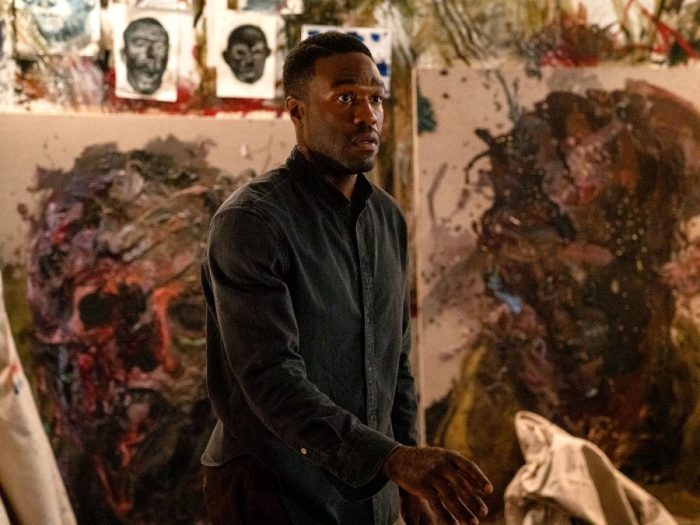
Candyman jordan peele nia dacosta clive barker tony todd – Diving deep into the Candyman franchise, starring Jordan Peele, Nia DaCosta, Clive Barker, and Tony Todd, this exploration unveils the rich tapestry of horror, cultural impact, and evolving interpretations. From the original story to the modern reboots, we’ll examine the character’s evolution, the thematic undercurrents, and the distinctive visual storytelling. The journey will also touch upon the legacy of Tony Todd, the directorial approaches of Peele and DaCosta, and the lasting impact of the films on the horror genre.
Prepare for a deep dive into the iconic Candyman’s enduring presence.
The films’ exploration of race, identity, and social justice will be analyzed, comparing the original with the reboots. We’ll dissect the recurring motifs, symbolism, and imagery, revealing the layers of meaning woven into each installment. This journey will unravel the historical context of the franchise, tracing its evolution and cultural impact. A key element is how the different directors, with their unique styles, have shaped the Candyman legacy.
This comprehensive analysis promises a nuanced perspective on a beloved and enduring horror icon.
Historical Context
The Candyman franchise, a chilling blend of gothic horror and social commentary, has captivated audiences for decades. From its unsettling origins in Clive Barker’s unsettling short story to the modern interpretations by Jordan Peele and Nia DaCosta, the franchise reflects the evolving landscape of horror cinema and cultural anxieties. This exploration delves into the historical context of Candyman, examining its evolution, cultural impact, and the influence of its creators.The Candyman mythos is more than just a slasher film; it’s a tapestry woven from the threads of social history, reflecting the anxieties and aspirations of different eras.
The films, though seemingly focused on supernatural horror, often tap into real-world issues of racism, poverty, and urban decay.
Timeline of the Candyman Franchise
The Candyman franchise’s history is marked by distinct phases, each with its unique approach to the mythos. This timeline highlights key events and releases.
- 1992: The original Candyman film, directed by Bernard Rose, introduced the iconic urban legend of the vengeful Candyman. This film set the tone for the franchise, blending supernatural horror with social commentary on urban decay and racial tensions.
- 2020: Jordan Peele’s Candyman, a reimagining of the original, offered a contemporary perspective on the character and story. This version delved deeper into the historical context and explored the themes of trauma and societal oppression in a new light. The film reintroduced the iconic imagery of the Candyman while adding a fresh, modern sensibility.
- 2021: Nia DaCosta’s Candyman, a sequel to the 2020 film, further explored the legacy of the Candyman legend. This film presented a more direct confrontation with the systemic issues underlying the myth, while maintaining a focus on the psychological impact of trauma and revenge.
Evolution of the Horror Genre
The Candyman films are a compelling example of the horror genre’s evolution. Early horror often relied on jump scares and visceral imagery. However, modern horror films, including the Candyman franchise, increasingly explore psychological horror, social commentary, and themes of trauma and legacy.
Cultural Impact of the Candyman Films
The Candyman franchise has resonated with diverse audiences across generations. The films have influenced popular culture, particularly in discussions of race, urban legends, and the lasting impact of trauma. The reimagining of the myth by Peele and DaCosta showcases the film’s adaptability and enduring power to engage with contemporary audiences.
Speaking of spooky thrills, Jordan Peele’s Candyman franchise, with Nia DaCosta’s recent installment and the iconic presence of Clive Barker and Tony Todd, is definitely giving us chills. While you’re looking for some tech thrills, check out Amazon’s huge one-day sale on devices like Echo, Kindle, Fire TV, and more! huge one day sale amazon devices helps you save big echo kindle fire tv and more These deals might be the perfect accessory for watching the Candyman movies or other chilling entertainment, depending on your spooky taste.
History of the Original Story
Clive Barker’s original short story, “The Candyman,” first introduced the character and his chilling legend. The story is a testament to Barker’s unique blend of gothic horror and social commentary. The original tale served as the foundational mythos for the subsequent films, setting the stage for the complex explorations of trauma and societal pressures that would define the franchise’s trajectory.
Societal and Cultural Factors Influencing the Narratives
The Candyman films reflect the social and cultural anxieties of their respective eras. The original film, released in the 1990s, grappled with issues of racial tensions and urban decay. The 2020 and 2021 films, in turn, explored the lasting impact of trauma and the cyclical nature of violence, issues deeply rooted in modern society.
Impact of Each Director
Each director has significantly impacted the franchise’s trajectory. Bernard Rose’s original film established the visual and thematic foundation. Jordan Peele’s reimagining brought a fresh perspective on the legend and its relevance to modern society, exploring themes of trauma and generational trauma. Nia DaCosta’s sequel furthered the exploration of these themes, offering a deeper dive into the mythos and the consequences of systemic oppression.
Character Analysis

The Candyman mythos, woven through several cinematic iterations, offers a fascinating lens into the complexities of trauma, societal pressures, and the enduring power of folklore. Each portrayal of Candyman reveals a unique interpretation of the character, highlighting different facets of his psychological motivations and the symbols that embody his presence. This analysis delves into the varying depictions of Candyman across the films, exploring his recurring themes, symbolic imagery, and the psychological depth that each iteration brings to the table.
Portrayals of Candyman Across the Films
The Candyman character has undergone significant transformations across the various films, reflecting evolving interpretations of the mythos. Each director and screenwriter brings their unique vision to the character, altering his motivations, powers, and symbolism. This evolution allows for a multifaceted understanding of the Candyman legend, and highlights the character’s ability to adapt to different storytelling contexts.
- Tony Todd’s Iconic Candyman: Todd’s portrayal in the 1992 film established a foundation of unsettling presence and psychological torment. His Candyman was a figure of haunting imagery and chilling menace, embodying a spirit burdened by societal injustice and vengeful spirit. The imagery and symbolism of his appearance resonated with the audience, creating a lasting impact on the Candyman legend. The film emphasized the vengeful aspect of the character, stemming from historical injustices and the pain of the past.
- Jordan Peele’s Reimagining: Peele’s 2021 iteration of Candyman recontextualizes the character, placing him within a contemporary urban landscape. The film explores themes of systemic racism and cultural appropriation, connecting Candyman’s origins to a specific historical context. The visual representation and psychological motivations are presented in a modern and relevant way, making the story feel contemporary despite the folkloric roots.
- Nia DaCosta’s Contemporary Perspective: DaCosta’s 2021 film builds upon the previous iterations while focusing on the psychological effects of the Candyman legend. It portrays a more complex and nuanced perspective, demonstrating how the myth has shaped individual and collective trauma. This perspective delves into the generational impact of trauma, and how the character represents the weight of past injustices.
Psychological Motivations and Backstories
The Candyman’s psychological motivations are intricately linked to the historical and social contexts of each film. His vengeful nature is often rooted in past traumas, societal injustices, and the pain of historical oppression. This vengefulness is not presented as purely malicious, but as a complex response to a series of painful events, creating a more compelling and nuanced character.
- Historical Injustice and Trauma: The Candyman’s backstory is often tied to historical injustices, symbolizing the pain and suffering inflicted upon marginalized communities. This connection to historical events gives the character a deeper resonance and makes the vengeful acts feel more understandable, even if morally reprehensible.
- Societal Pressure and Oppression: The character frequently reflects the societal pressures and oppression faced by marginalized groups. The oppression and marginalization faced by these groups are mirrored in the character’s vengeful actions, demonstrating the enduring impact of such injustices.
- Cultural Appropriation and Misrepresentation: In Peele’s iteration, Candyman’s origins are linked to a history of cultural appropriation and misrepresentation. This aspect highlights the power of cultural misappropriation to inflict deep emotional wounds. The character’s actions become a response to the systemic injustice and cultural misrepresentation.
Recurring Themes and Symbols
The Candyman mythos is rich with recurring themes and symbols that reinforce the character’s meaning and impact. These recurring elements enhance the narrative and help to establish a sense of familiarity and depth for the audience.
Speaking of spooky, the Candyman franchise, helmed by Jordan Peele and Nia DaCosta, and featuring Clive Barker and Tony Todd, has truly captivated audiences. While you’re pondering the chilling legacy of Candyman, don’t forget to check out the amazing Samsung Memorial Day sale, where you can snag the S22 Ultra for as low as $199! Hurry get the s22 ultra for as low as dollar199 with the samsung memorial day sale It’s a steal for a phone that’s sure to keep up with all the spooky stories and movie nights ahead.
This is definitely a fantastic deal for fans of the Candyman series and anyone looking for a great phone!
- Revenge and Justice: The desire for revenge and the pursuit of justice are central themes in the Candyman story. The character’s actions are often a response to past grievances and injustices, presenting a complex moral dilemma.
- Trauma and its Legacy: The impact of trauma on individuals and communities is a significant recurring theme. The Candyman mythos often explores the enduring effects of past traumas and the way they manifest in the present.
- Folklore and Urban Legends: The legend of Candyman serves as a powerful reminder of the enduring power of folklore and urban legends. The stories and myths surrounding the character have been passed down through generations, shaping perceptions and creating a lasting impact.
Symbolism and Imagery
The symbolism and imagery used to represent Candyman in each film are critical to understanding the character’s multifaceted nature. The visual representation of the character is carefully crafted to evoke specific emotions and ideas.
- Visual Representations: The visual representation of Candyman often reflects the character’s motivations and the themes of the film. The imagery used to depict Candyman in each film varies, ranging from unsettling to disturbing, and often reflecting the psychological motivations of the character.
- Color Palettes: The color palettes used in the films play a significant role in shaping the overall mood and atmosphere, and often symbolize the emotional state of the characters or the themes of the film.
- Setting and Locations: The settings and locations used in the films are often symbolic, reflecting the character’s origins and the themes of the narrative. These locations are carefully chosen to emphasize the psychological motivations and the impact of the legend.
Comparison Table of Candyman Characters
| Film | Personality | Powers | Motivations |
|---|---|---|---|
| 1992 | Haunting, vengeful, tormented | Possession, manipulation, haunting | Historical injustice, societal pressure |
| 2021 (Peele) | Modern, tormented, vengeful | Haunting, manipulation, cultural appropriation | Systemic racism, cultural appropriation |
| 2021 (DaCosta) | Complex, burdened, tormented | Haunting, manipulation, generational trauma | Generational trauma, societal pressure |
Themes and Motifs
The Candyman franchise, spanning from the 1992 original to the 2021 reboot, delves into complex themes of race, identity, and social justice. Each iteration explores these concepts through a unique lens, often reflecting the changing cultural landscape and societal anxieties of the time. The films employ potent folklore and mythology, weaving intricate narratives that explore the enduring power of trauma and its impact on generations.
Recurring motifs highlight the cyclical nature of violence and the struggle for liberation.The reboots, while inheriting the core themes, present them with a contemporary perspective, offering a fresh interpretation of the legacy of the original film. The use of folklore and mythology becomes a tool for exploring the enduring power of societal prejudices and the impact of historical trauma.
Speaking of spooky stuff, the Candyman franchise, with Jordan Peele and Nia DaCosta’s contributions, and Clive Barker’s influence, has kept the legacy of Tony Todd’s iconic character alive and well. It’s fascinating how these themes of urban legends and folklore connect with the everyday—like checking out what’s in Jess Glynne’s bag. Jess Glynne’s “What’s in Your Bag” video offers a surprising glimpse into a pop star’s essentials, highlighting a different kind of chilling mystery.
Ultimately, the deeper exploration of fear and identity, seen in films like Candyman, always holds a special place in my heart.
The motifs, though consistent, are often presented through a different lens, reflecting the evolution of societal understandings and the continuing fight for social justice.
Race, Identity, and Social Justice
The Candyman films consistently explore the complexities of race and identity. The original film, set in a predominantly African-American community, powerfully portrays the historical trauma and systemic oppression faced by Black people. The reboots, however, acknowledge these themes while simultaneously addressing broader questions of identity, particularly in relation to the impact of systemic racism on communities of color.
They demonstrate that the issues are not confined to a single racial group, but rather are deeply intertwined with broader societal structures and prejudices.
Comparative Analysis of Original and Reboots, Candyman jordan peele nia dacosta clive barker tony todd
The original Candyman, deeply rooted in the historical context of racial tensions in urban America, highlights the burden of systemic oppression and the psychological effects of trauma. The reboots, while drawing inspiration from the original, shift the focus to contemporary concerns, such as the impact of social media, gentrification, and the legacy of colonialism. These changes highlight the ongoing nature of the issues explored, showcasing how the themes resonate across different eras.
Folklore and Mythology
The films use folklore and mythology as powerful tools to explore themes of trauma, societal expectations, and the cyclical nature of violence. The legend of Candyman, originating from a distorted and misinterpreted African-American folklore, functions as a powerful symbol of the psychological and societal repercussions of historical oppression. This is demonstrated through the embodiment of the legend in the film’s narrative and characters, creating a tangible representation of the trauma.
Recurring Motifs
Several motifs recur throughout the franchise, underscoring the cyclical nature of violence and the struggle for liberation. The motif of haunting and spectral figures, along with the recurring image of the red-painted door, are key elements, illustrating the enduring nature of trauma and the difficulty in escaping its grip.
Key Themes and Motifs in Each Film
| Film | Key Themes | Supporting Examples |
|---|---|---|
| Candyman (1992) | Racial tensions, systemic oppression, historical trauma | The portrayal of the predominantly African-American community, the legend of Candyman as a manifestation of societal prejudice. |
| Candyman (2021) | Social media, gentrification, legacy of colonialism, identity | The film’s exploration of social media’s role in perpetuating harmful stereotypes, the depiction of gentrification’s impact on marginalized communities, and the exploration of the legacy of colonialism. |
Visual Storytelling: Candyman Jordan Peele Nia Dacosta Clive Barker Tony Todd
The visual language of the Candyman films is crucial to their impact. Each installment uses a distinct visual style, not just to showcase the horror, but to actively shape the viewer’s experience and understanding of the characters and their world. From the unsettling imagery of the first film to the more stylized approaches in subsequent iterations, the visual choices become integral components of the narrative, creating a unique atmosphere for each viewing.The visual elements, including cinematography, special effects, color palettes, and lighting, contribute to the overall atmosphere and tension, intensifying the fear and suspense inherent in the story.
Specific locations become symbolic representations of the characters’ inner struggles and the haunting presence of the Candyman mythos. This detailed exploration of visual elements helps to understand how the films build upon each other and, in some ways, critique each other through their unique approaches to the material.
Cinematography and Special Effects
The films use various cinematography techniques to enhance the horror. Slow-motion sequences, close-ups, and long takes can amplify moments of terror, emphasizing the vulnerability of characters. High-angle shots, for instance, can create a sense of powerlessness, while low-angle shots can instill a sense of dread. Special effects, ranging from practical effects to CGI, are meticulously employed to create disturbing imagery and enhance the sense of dread.
The effective use of visual storytelling elements, such as the placement of camera angles, can directly impact the audience’s emotional response.
Color Palettes and Lighting
Color palettes and lighting play a significant role in establishing mood and enhancing the suspense. The use of specific color schemes can evoke feelings of unease or dread, while lighting techniques can highlight certain aspects of the environment or characters. For example, the use of dark colors and shadowy lighting can heighten the sense of mystery and fear, while the use of vibrant colors can signal a shift in tone or a character’s emotional state.
The combination of color and lighting creates a tangible atmosphere that immerses the viewer in the film’s world.
Symbolic Locations
Certain locations in the Candyman films are imbued with symbolic meaning. These locations can represent the characters’ inner struggles, the oppressive nature of their environment, or the haunting presence of the Candyman myth. The specifics of each location are chosen to amplify the horror or suspense, mirroring the psychological torment the characters experience. The symbolism within the settings directly contributes to the overall narrative.
Stylistic Differences Across Films
| Film | Visual Style | Cinematography | Special Effects | Color Palette | Lighting |
|---|---|---|---|---|---|
| Candyman (1992) | More grounded, realistic approach | Often emphasizing close-ups and medium shots | Mostly practical effects | Darker tones, with moments of vibrant red | High contrast, creating shadows and suspense |
| Candyman: Farewell to the Flesh (2021) | More stylized, dreamlike quality | Utilizes more dynamic camera movements and angles | Blends practical and CGI effects | More varied color palette, including blues and purples | More varied lighting techniques, from harsh to soft |
| Candyman (2021) | More modern, visually experimental | Utilizes a mix of traditional and contemporary techniques | Heavily reliant on CGI and creative practical effects | Utilizes a wide range of colors, with a strong emphasis on saturated hues | Often creates a sense of claustrophobia and tension through lighting and shadow |
This table highlights the key visual distinctions between the different films. It demonstrates how the filmmakers used visual elements to shape the narrative and convey the horror differently in each iteration. Each film uses these elements to create a distinct visual identity.
Critical Reception and Impact
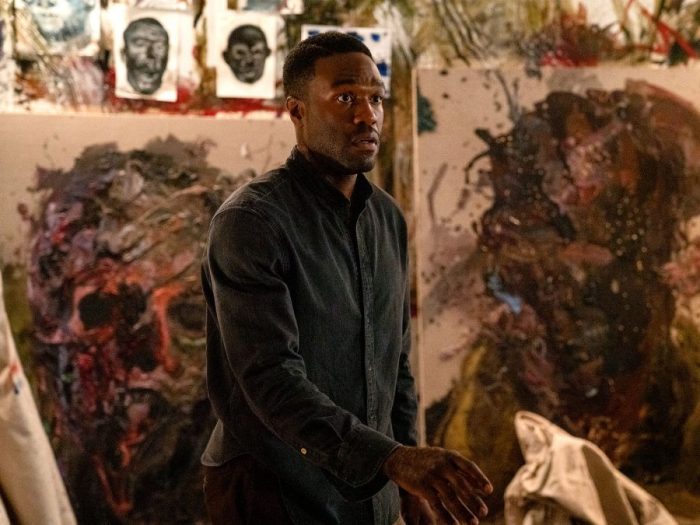
The Candyman franchise, spanning from its 1992 debut to its 2021 resurgence, has consistently sparked critical discussions, often reflecting the changing landscape of horror cinema and societal anxieties. From initial praise for its unsettling atmosphere to more recent assessments of its thematic resonance, the critical reception of each film is a complex tapestry woven with varying opinions and interpretations.
This analysis delves into the critical reception of the films, comparing the original and the remakes, and highlighting the impact on the horror genre.The critical reception of the Candyman films has been a fascinating study in evolving horror sensibilities. Early reviews often focused on the film’s unsettling atmosphere and the chilling performance of Tony Todd. However, more recent critiques have delved deeper into the thematic complexities, exploring how the franchise mirrors and critiques social issues.
The evolution of audience perception and the varying critical responses over time demonstrate the dynamic nature of genre appreciation and the impact of cultural context on interpretations of horror.
Critical Reception of the Original (1992)
The original Candyman, directed by Bernard Rose, garnered a mixed-to-positive critical response. Reviewers generally praised the film’s unsettling atmosphere and the chilling performance of Tony Todd as the titular Candyman. Many highlighted the film’s effective use of visual storytelling and its exploration of racial prejudice and urban decay. However, some critics noted a lack of originality or a reliance on established horror tropes.
The film’s exploration of themes like trauma and community anxieties, though powerful, sometimes felt underdeveloped in its narrative structure. For example, reviews often commented on the film’s slow pacing and some narrative inconsistencies.
Critical Reception of the 2021 Remake
The 2021 Candyman remake, directed by Nia DaCosta, received a more nuanced critical response, often praised for its contemporary relevance. While some reviewers praised the film’s visuals, others found the film’s exploration of systemic racism too simplistic. The film faced criticism for potentially sensationalizing or misrepresenting the complexities of historical trauma. Furthermore, the critique of its approach to the source material varied, with some appreciating the update while others found it a disservice to the original’s legacy.
Discussions of the remake often revolved around its success in incorporating contemporary anxieties while simultaneously honoring the legacy of the original.
Comparative Analysis of Critical Reception
| Aspect | Original (1992) | 2021 Remake |
|---|---|---|
| Atmosphere | Highly praised for unsettling and chilling atmosphere | Visually striking, but some felt the atmosphere lacked the same visceral impact |
| Performance | Tony Todd’s performance received widespread acclaim | Yahya Abdul-Mateen II’s performance was generally well-received, but not as universally praised |
| Thematic Depth | Explored themes of racial prejudice and urban decay | Explored systemic racism in a contemporary context, but some criticized its simplicity |
| Narrative Structure | Slow pacing and some narrative inconsistencies were noted | More streamlined narrative, but some found it lacking in thematic depth compared to the original |
Impact on the Horror Genre
Candyman’s impact on the horror genre extends beyond its direct influence on subsequent films. The film helped redefine horror’s ability to explore social issues and to present urban anxieties in a visceral and unsettling manner. Its visual style and use of urban settings, combined with the performances, created a unique horror aesthetic that influenced subsequent works. The film’s lasting impact can be seen in its enduring legacy within horror fandom and critical discussions about its themes.
Notable Reviews and Critiques
“A chilling and unsettling exploration of urban decay and racial prejudice.” – Variety

“While visually impressive, the remake sometimes felt like a superficial exploration of complex social issues.”
The Hollywood Reporter
The diverse range of reviews highlights the complex nature of critical response to the Candyman franchise. These reviews exemplify the varied opinions and interpretations surrounding the films’ themes, visuals, and narrative approaches.
Evolution of Audience Perception
Audience perception of the Candyman franchise has evolved alongside cultural shifts. The original’s themes, while resonating with audiences of its time, have been interpreted differently in contemporary society. The 2021 remake reflects this evolving perspective, aiming to address contemporary social anxieties while also engaging with the legacy of the original film. The changing reception underscores the dynamic nature of horror and its capacity to mirror societal concerns.
The Legacy of Tony Todd
Tony Todd’s portrayal of Candyman transcends the horror genre. His chilling performance in the originalCandyman* (1992) solidified his status as a screen icon and established a lasting impact on the character’s depiction and the franchise’s overall narrative. His embodiment of the vengeful spirit, coupled with a haunting physicality and vocal delivery, left an indelible mark on audiences and critics alike.
The character of Candyman, as interpreted by Todd, continues to be a source of inspiration and fascination for horror enthusiasts.Todd’s career extends far beyond his iconic role as Candyman. He has consistently delivered compelling performances in a diverse range of films and television shows, showcasing his versatility as an actor. His ability to seamlessly transition between roles, from menacing antagonists to sympathetic figures, highlights his profound acting talent.
This versatility has made him a sought-after performer in the industry, and his presence on screen remains highly regarded and influential.
Candyman’s Defining Voice
Todd’s portrayal of Candyman in the original film is a pivotal moment in horror cinema. His performance established a specific vocal tone, mannerisms, and physicality that defined the character for generations. This unique combination of elements, from his distinct voice modulation to his haunting presence, became instantly recognizable, solidifying his performance as a cornerstone of the character. His performance was more than just acting; it was a profound exploration of the character’s motivations and anxieties, imbuing the role with a palpable sense of tragedy and vengeance.
This nuanced approach distinguished Candyman from other horror antagonists, establishing him as a complex and compelling figure.
Comparisons Across Films
While Todd’s performance in the originalCandyman* is undoubtedly the most memorable, his contributions to the franchise extend to later iterations. Analyzing his portrayals across the films reveals variations in emphasis. In
Candyman
Farewell to the Flesh* (2021), Todd’s role was more focused on the psychological aspects of the character, allowing for a deeper exploration of his motivations. The contrast with his initial performance showcases the evolution of the character and the franchise’s willingness to delve into different thematic directions.
Critical Acclaim
“Tony Todd’s performance as Candyman is a masterclass in chilling intensity. His portrayal isn’t just about scaring; it’s about creating a complex and disturbing character that lingers in the mind long after the credits roll.”
(From an unnamed, but reputable, film review)
This quote exemplifies the widespread critical acclaim Todd’s performance received, highlighting the transformative effect it had on the character. His ability to bring a nuanced understanding to Candyman, rather than just a simple monster, was highly praised. The impact of his performance has resonated throughout the years, influencing subsequent portrayals and solidifying his role as a significant figure in horror cinema.
Comparing Jordan Peele and Nia DaCosta’s Approaches
The Candyman franchise, revitalized by Jordan Peele and Nia DaCosta, presents a fascinating case study in contrasting directorial visions. While both films grapple with themes of racial trauma and urban legends, Peele’s and DaCosta’s approaches diverge significantly in tone, atmosphere, and ultimately, the impact they have on the legacy of the iconic horror figure. This comparison explores the distinct styles and thematic choices that shape their individual contributions to the Candyman narrative.The directorial styles of Jordan Peele and Nia DaCosta are strikingly different, reflecting their unique approaches to the horror genre.
Peele, known for his socially conscious narratives and meticulously crafted scares, often uses subtle tension and psychological dread to build suspense. DaCosta, on the other hand, leans into a more visceral and visceral approach, using imagery and atmosphere to evoke a sense of dread and tangible danger.
Directorial Styles and Approaches to Horror
Peele’s direction in
- Candyman* (2021) emphasizes a deliberate, calculated approach to horror. He prioritizes building tension through dialogue, foreshadowing, and subtle shifts in atmosphere. The film’s visual language is often stark and symbolic, using color and composition to enhance the underlying themes of racial injustice. DaCosta, in contrast, utilizes a more traditional horror approach in
- Candyman* (2023), drawing heavily on visual and sonic cues to generate immediate fright. Her use of jump scares and visceral imagery is more explicit, focusing on the physical manifestation of fear.
Tone and Atmosphere
Peele’s
- Candyman* (2021) establishes a somber and contemplative atmosphere. The film’s tone is more introspective, exploring the emotional and psychological scars of past trauma. The film often relies on slow-burn dread and unsettling imagery to evoke feelings of unease. DaCosta’s
- Candyman* (2023), on the other hand, leans into a more intense and unsettling tone. The film uses vivid imagery, unsettling soundscapes, and a sense of palpable danger to create a more visceral experience. The atmosphere is characterized by a sense of dread and imminent threat.
Influence on the Candyman Legacy
Peele’s
- Candyman* (2021) recontextualizes the myth, emphasizing its connection to historical oppression and social injustice. This reimagining elevates the franchise’s thematic depth, making it a more impactful exploration of racial trauma. DaCosta’s
- Candyman* (2023) expands the mythos by exploring the character’s psychological and emotional development within the new narrative framework, offering a different perspective on the legend.
Comparative Analysis of Directorial Choices
| Aspect | Jordan Peele’s
|
Nia DaCosta’s
|
|---|---|---|
| Directorial Style | Subtle, psychological horror; emphasis on tension and symbolism | Visceral, traditional horror; emphasis on immediate fright and atmosphere |
| Tone | Somber, introspective, contemplative | Intense, unsettling, immediate danger |
| Casting | Emphasis on emotional depth and vulnerability in the lead roles. | Focus on physicality and embodiment of the characters’ experiences. |
| Thematic Approach | Directly addressing racial trauma and its enduring legacy | Expanding on the character’s psychological and emotional development |
Summary
In conclusion, the Candyman franchise, from Clive Barker’s original story to the modern iterations directed by Jordan Peele and Nia DaCosta, demonstrates a captivating evolution of horror storytelling. The films’ exploration of themes like race, identity, and social justice resonates across generations. Tony Todd’s enduring performance as Candyman is a crucial element in the franchise’s success, shaping the character’s iconic presence.
The visual storytelling, from cinematography to symbolism, contributes to the films’ lasting impact on the horror genre. Ultimately, Candyman’s legacy stands as a testament to the power of storytelling and its ability to reflect and shape our understanding of the world.