
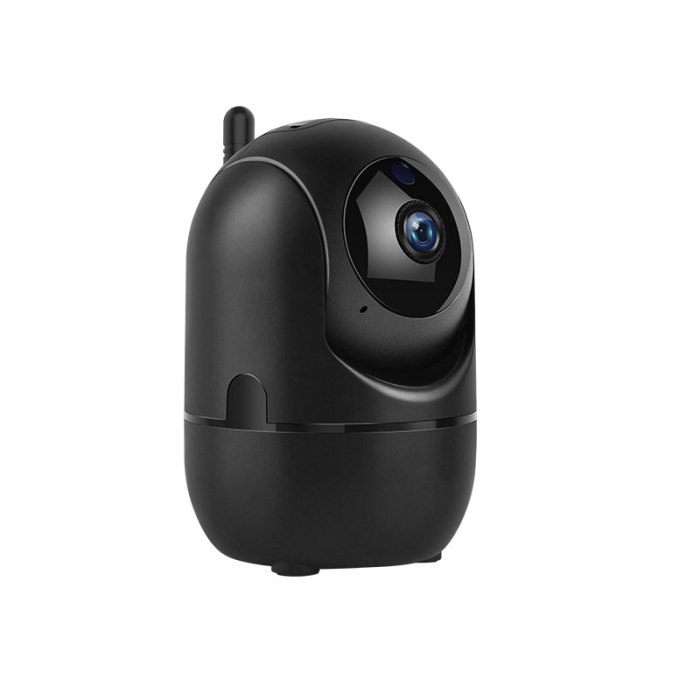
Blink smart security camera moments cross camera tracking sets the stage for a deep dive into the evolving world of home security. We’ll explore how these systems use advanced tracking to monitor activity across multiple cameras, focusing on the “blink moments” that often signal crucial events. This investigation delves into the technical aspects, benefits, limitations, and even the security and privacy implications of this technology.
Expect detailed comparisons and real-world examples.
Smart security cameras are becoming increasingly sophisticated, with the ability to track movement and identify anomalies across multiple cameras. Cross-camera tracking leverages this capability to provide broader coverage, enhancing the system’s ability to detect suspicious activity. The key here is “blink moments,” those fleeting instances of activity that might be missed by a single camera, but which, when tracked across multiple cameras, can reveal a clear picture of what’s happening.
Overview of Smart Security Cameras
Smart security cameras are evolving beyond basic surveillance to become intelligent assistants for home and business security. They leverage advanced technologies to provide comprehensive monitoring, proactive alerts, and detailed insights into activity within the monitored area. These systems offer a significant upgrade from traditional security cameras, providing a more sophisticated and user-friendly experience.Cross-camera tracking, a key feature of these smart systems, allows for a broader view of activity.
By linking multiple cameras together, these systems can identify and follow subjects across different angles, creating a complete picture of their movements. This significantly enhances security coverage by providing a more comprehensive understanding of potential threats or unusual activities. “Blink Moments,” meanwhile, are crucial in identifying and recording critical events, enabling quick review and response to situations. These systems leverage advanced algorithms to capture and highlight specific instances of interest, making it easier to review recordings and react appropriately.
Types of Smart Security Cameras
Different types of smart security cameras cater to various needs and environments. They vary in features like resolution, field of view, and specialized functionalities. The table below provides a comparative overview.
| Camera Type | Key Features | Cross-Camera Tracking | Blink Moments |
|---|---|---|---|
| Pan-Tilt-Zoom (PTZ) Cameras | These cameras offer adjustable pan, tilt, and zoom capabilities, allowing for precise monitoring of specific areas. They often have high resolution and wide field of view. | Often supports cross-camera tracking, allowing for seamless subject tracking across multiple cameras. | Typically, yes, capturing significant events like movement and entry/exit. |
| Fixed Cameras | These cameras have a fixed position and capture a predetermined area. They are cost-effective and suitable for simple surveillance needs. | Limited or no cross-camera tracking capability. Tracking across cameras may be possible if integrated with other systems. | Yes, capturing moments of interest based on preset triggers or activity. |
| Dome Cameras | These cameras are housed in a dome-shaped casing, providing a discreet design and potentially wider coverage within the same field of view compared to a flat-faced camera. | May support cross-camera tracking, depending on the system and configuration. | Yes, typically capturing significant events based on preset triggers or motion detection. |
| Wireless Security Cameras | These cameras offer flexibility in placement, without the need for extensive wiring. | Depending on the camera and system integration, cross-camera tracking can be achieved. | Yes, capturing moments of interest based on motion detection or other pre-set triggers. |
Significance of Blink Moments
Blink moments are pre-programmed events or moments of interest that the smart security camera system recognizes and captures. These moments, which can range from movement to sound triggers, help users quickly identify critical events within their recordings. They’re not just for convenience; they also allow for quicker response times to potential issues. For example, a “blink moment” triggered by a sudden noise at night could alert a user to a possible break-in, allowing for immediate action.
Cross-Camera Tracking Capabilities
Cross-camera tracking is a critical enhancement in smart security systems. By enabling cameras to track subjects across multiple viewpoints, the system gains a more comprehensive understanding of the subject’s actions. This helps security personnel assess the situation more accurately, allowing for faster response times to suspicious activities. A good example is when a person walks through a building or home.
Cross-camera tracking would capture their entire path through the monitored area, providing a continuous record of their movement, eliminating blind spots and improving overall security.
Cross-Camera Tracking Functionality
Cross-camera tracking, a crucial feature in modern smart security systems, allows cameras to collaborate and identify objects or individuals moving between different camera viewpoints. This enables a more comprehensive and detailed understanding of events, going beyond the limitations of a single camera’s field of view. It enhances the overall security system’s ability to respond effectively to potential threats or unusual activities.This functionality is achieved through sophisticated algorithms that analyze video streams from multiple cameras, identifying and correlating objects across different perspectives.
The result is a seamless, real-time picture of events unfolding, making it easier to pinpoint and investigate suspicious activities.
Technical Aspects of Cross-Camera Tracking
Cross-camera tracking leverages computer vision techniques to identify and track objects across multiple cameras. This involves object detection, object recognition, and motion analysis. Object detection algorithms pinpoint the presence of objects in a video frame, while object recognition identifies specific features of those objects (e.g., a person’s shape, a car’s make). Motion analysis, using optical flow or similar methods, traces the movement of objects through the scene.
Crucially, the systems must correlate these detections and recognitions across different cameras to establish a coherent track of the object.
Algorithms for Cross-Camera Tracking
Various algorithms are employed for cross-camera tracking, each with its strengths and weaknesses. These include:
- Kalman Filtering: This algorithm predicts the future position of an object based on its past movements and measurements. It’s widely used due to its efficiency in handling noisy or incomplete data. This predictive ability is critical for accurately following an object as it moves between cameras, where information from one camera may be sparse or delayed.
- Deep Learning-Based Methods: Deep learning models, particularly convolutional neural networks (CNNs), can learn complex patterns and relationships in video data. This allows for more robust object recognition and tracking, even in challenging conditions like low light or changing environments. Their adaptability to diverse scenarios is a significant advantage, but training these models can be computationally expensive.
- Appearance-Based Methods: These methods rely on the unique visual characteristics of an object (its appearance). They track objects by comparing the appearance of the object in different frames across cameras. The effectiveness of this approach depends on the consistency of the object’s appearance over time.
Improving Real-Time Event Detection
Cross-camera tracking significantly enhances real-time event detection. For example, if a person enters a restricted area, a single camera might miss the event, but multiple cameras working together can establish a clear path of entry. This creates a more complete picture of events, allowing for faster and more accurate responses to potential threats. Imagine a package being stolen.
A single camera might only show a brief glimpse of the thief. With cross-camera tracking, the thief’s movement across the property can be reconstructed, providing vital clues for investigation.
Comparison of Cross-Camera Tracking Methods
| Method | Accuracy | Speed |
|---|---|---|
| Kalman Filtering | Moderate | High |
| Deep Learning | High | Moderate |
| Appearance-Based | Variable | High |
The table above provides a simplified comparison of different methods. Accuracy can vary depending on factors like lighting conditions and the complexity of the environment. Speed, too, is influenced by factors such as processing power and the amount of data being analyzed.
I’ve been digging into Blink smart security camera moments, and their cross-camera tracking is pretty neat. It’s a cool feature for sure, but sometimes I find myself wishing for a little more control over the recording settings. Speaking of audio, if you’re looking to upgrade your podcast setup, checking out the price of the Shure MV7 USB microphone here might be a good idea.
It’s all about finding the right tools for the job, and for me, that still comes back to my Blink camera system and its impressive cross-camera tracking for security purposes.
Blink Moments and Their Significance
Blink Moments are a crucial feature in Blink security systems, designed to capture fleeting, yet significant, events that might otherwise be missed. These “snapshots” of activity are pivotal in identifying potential threats or unusual happenings, providing a detailed record of important occurrences within a defined timeframe. They are not simply static images; they are dynamic moments in a video stream, automatically flagged for further review.Blink Moments play a vital role in enhancing the effectiveness of a security system.
They serve as an automated system for recognizing and flagging unusual events, allowing for prompt attention to potential issues. This automated process is far more efficient than constantly monitoring video feeds manually. By automatically identifying these key moments, Blink Moments help security professionals focus on what truly matters: investigating the unusual and responding to real threats.
Importance of Blink Moments in a Security System
Blink Moments are not just visual snapshots; they represent a significant step towards a more proactive security system. They are automatically flagged for important events, helping security professionals respond to potential threats quickly.
Examples of How Blink Moments Detect Unusual Activity
Blink Moments excel at identifying unusual activity within a monitored area. These moments are triggered by various motion-based events, such as someone entering a restricted area at night, or a package being left at the doorstep during unusual hours. Other scenarios include a sudden increase in activity in a specific area, or objects moving erratically, which can indicate a potential problem.
Role of Blink Moments in Triggering Alerts
Blink Moments are directly linked to alert triggers. When a Blink Moment is detected, it automatically triggers an alert, sending a notification to the user’s device. This notification immediately alerts the user to the unusual activity captured in the Blink Moment, allowing for a swift response. The alert system is crucial in quickly identifying and addressing potential threats.
Limitations and Potential Pitfalls of Relying Solely on Blink Moments
While Blink Moments are incredibly useful, relying solely on them for security has limitations. False positives, where a moment is flagged as unusual but isn’t truly problematic, can lead to unnecessary alerts and distractions. Additionally, Blink Moments are triggered by motion; subtle or slow-moving activities might not be captured, or might be missed if the activity is too brief to meet the trigger threshold.
Table: Blink Moments – Helpful and Insufficient Scenarios
| Scenario | Blink Moments Helpful? | Explanation |
|---|---|---|
| Someone entering a home after hours | Yes | Clear motion event, easily flagged as a Blink Moment. |
| A slow-moving object being placed on a table | Potentially No | The motion might not be significant enough to trigger a Blink Moment. |
| A person slowly creeping around a house at night | Potentially Yes | Depends on the sensitivity settings and motion detection algorithm. |
| A child playing quietly in a room | No | Minimal motion, unlikely to trigger a Blink Moment. |
| A package being delivered at an expected time | No | Expected activity, not considered unusual. |
Integration with Other Systems
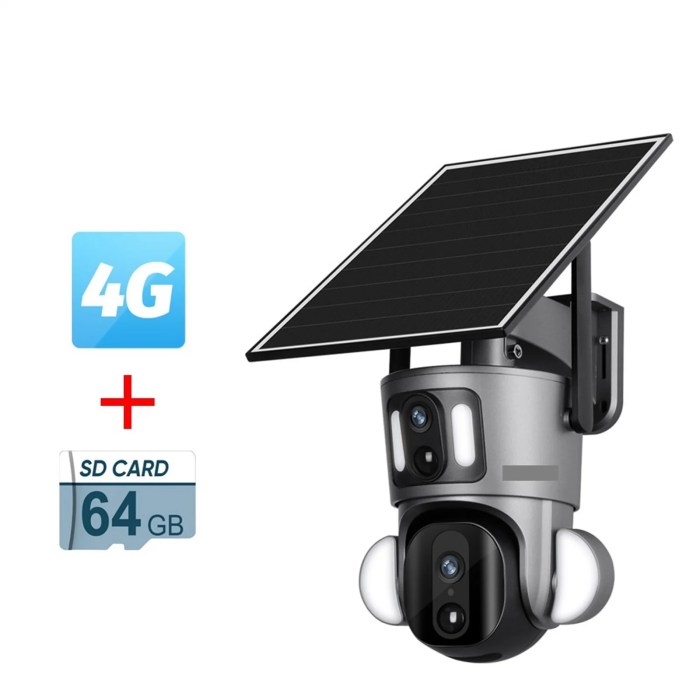
Smart security cameras are no longer isolated sentinels in your home; they’re increasingly integrated into the broader ecosystem of smart home devices. This integration allows for a more comprehensive and proactive approach to security and home automation, enabling seamless interactions between your camera system and other smart gadgets. This interconnectedness provides a heightened level of control and situational awareness, transforming simple monitoring into a more dynamic and responsive security solution.Expanding on this, the ability to connect blink smart security cameras with other smart home systems allows for a more holistic approach to security and automation.
This integration extends beyond basic alerts, enabling proactive responses to potential threats or events. The cross-camera tracking and “blink moments” functionality can be triggered and used in conjunction with other systems, providing valuable context and enabling more sophisticated actions.
Compatibility with Other Smart Home Devices
The compatibility of smart security cameras with other smart home devices varies significantly depending on the manufacturer and the specific devices in question. Many popular smart home platforms, like Amazon Alexa, Google Assistant, and Apple HomeKit, offer integration with a wide range of security cameras, allowing users to control their cameras, receive alerts, and view footage through voice commands or mobile apps.
The integration often includes features like scheduling recordings, setting motion detection zones, and receiving notifications based on predefined criteria.
Integration with Alarm Systems
Smart security cameras can be integrated with alarm systems to create a more comprehensive security network. This integration allows the cameras to act as an early warning system, triggering an alarm in response to detected events like unauthorized access or suspicious activity. This integration also often involves two-way communication, enabling the cameras to alert the alarm system or even potentially communicate with authorities in case of an emergency.
For example, if a camera detects someone breaking into a home, the alarm system can immediately activate, alerting authorities and the homeowner.
Integration with Home Automation Platforms
The integration of smart security cameras with home automation platforms is another powerful avenue for enhancing security and convenience. For instance, if a camera detects a motion event, the platform can trigger automated actions like turning on lights, activating a siren, or remotely locking doors. This integration can also be used to automate responses based on time, location, or specific events.
A typical scenario would involve integrating the camera with a smart lighting system. If a camera detects a presence in a specific area at night, the lights in that area would automatically turn on.
Methods of Setting Up and Managing Integrations
Setting up and managing integrations typically involves the use of the manufacturer’s mobile app. Specific steps and features may vary depending on the specific smart home devices and the chosen security camera brand. Common steps usually involve connecting the camera to the Wi-Fi network, linking it to the smart home platform, and defining the specific integration rules or triggers.
Examples of Successful Integrations
Numerous successful integrations exist between smart security cameras and other devices. A common example is a system that integrates a security camera with a smart lighting system. When the camera detects motion, the smart lighting system automatically turns on the lights in the area, deterring potential intruders and providing visual confirmation. Another example is integrating a camera with a smart door lock; upon detecting a person authorized for entry, the door lock automatically unlocks.
Comparison of Integration Capabilities
| Brand | Integration with Alarm Systems | Integration with Home Automation Platforms | Compatibility with Smart Home Platforms |
|---|---|---|---|
| Blink | Limited integration options, typically through third-party integrations. | Good integration with popular platforms like Amazon Alexa and Google Assistant. | Excellent compatibility with major platforms like Amazon Alexa and Google Assistant. |
| Arlo | Good integration with various alarm systems, both direct and through third-party integrations. | Good integration with popular platforms like Amazon Alexa and Google Assistant. | Excellent compatibility with major platforms like Amazon Alexa and Google Assistant. |
| Wyze | Limited integration options, typically through third-party integrations. | Good integration with popular platforms like Amazon Alexa and Google Assistant. | Excellent compatibility with major platforms like Amazon Alexa and Google Assistant. |
This table provides a general overview, and specific integration features may vary depending on the specific camera model and platform. Always refer to the manufacturer’s documentation for the most accurate and up-to-date information.
Security and Privacy Concerns
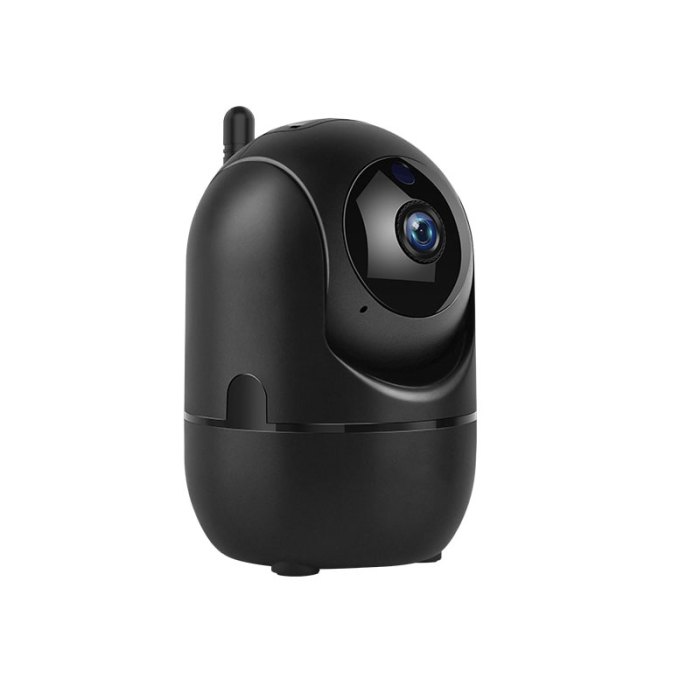
Smart security cameras, while offering enhanced home protection, raise critical security and privacy concerns. The constant recording and analysis of footage, especially with features like cross-camera tracking and “blink moments,” necessitate careful consideration of potential vulnerabilities and data handling practices. Trusting these systems for comprehensive security requires understanding the potential risks and how to mitigate them.
Potential Security Vulnerabilities
Smart security camera systems, despite their advanced features, can be susceptible to various security breaches. Hackers could potentially gain unauthorized access to recordings, manipulate camera settings, or even disable the system entirely. Poorly secured networks and inadequate authentication measures can create significant vulnerabilities. The potential for unauthorized access to live feeds or recorded footage is a major concern.
Further, inadequate or outdated software updates leave the system vulnerable to known exploits.
Data Privacy and Security in Cross-Camera Tracking
Cross-camera tracking, while valuable for identifying and tracking individuals or objects, necessitates strong data privacy and security measures. The system’s ability to correlate data from multiple cameras raises significant privacy concerns, particularly if this information is not handled with care. Unsecured or poorly configured systems could expose sensitive personal data, potentially leading to privacy violations. It’s crucial to implement robust security protocols to protect the data from unauthorized access or misuse.
Mitigating Risks in Data Storage and Transmission
Protecting sensitive data requires a multi-layered approach. Secure storage protocols for recordings are essential. Data encryption during transmission and storage can significantly reduce the risk of data breaches. Strong passwords, multi-factor authentication, and regular software updates are crucial. Implementing robust firewalls and intrusion detection systems on the network can prevent unauthorized access.
Regular audits of security protocols and practices are vital for identifying and addressing potential vulnerabilities.
Impact of “Blink Moments” on User Privacy
“Blink moments,” designed to capture fleeting events, present a specific privacy concern. The potential for unintended or inappropriate capture of individuals or sensitive information within these moments necessitates careful consideration of data retention policies and access controls. Users need clear guidelines regarding the duration of data retention for these events. Users should be provided with explicit control over the types of events captured and the level of detail in the recordings.
Blink smart security cameras are great for capturing those precious moments, and cross-camera tracking is a lifesaver. But did you know that energy efficiency plays a role in your overall home security strategy? Reducing your electric bill, like the average in Pennsylvania, can be achieved with simple steps, as detailed in this helpful guide: this is the average electric bill in pennsylvania and how to save.
Smart savings translate to more power for your Blink cameras to keep an eye on things, ensuring you’re well-prepared for anything.
Importance of Data Encryption and Secure Storage
Data encryption is a cornerstone of protecting sensitive information. Encryption algorithms, when properly implemented, transform data into an unreadable format, making it virtually impossible for unauthorized individuals to access or manipulate it. Secure storage solutions are equally important. This includes secure cloud storage solutions, which require strong encryption and access controls. Regular backups of data are essential to protect against data loss due to hardware failures or other unforeseen events.
Data anonymization techniques, where appropriate, can further enhance privacy protections.
Real-World Use Cases
Smart security cameras with cross-camera tracking and “blink moments” are transforming how we approach security. These features aren’t just futuristic technology; they’re already making a significant impact on various industries and everyday lives. By providing a more comprehensive and proactive approach to monitoring, these systems are proving to be invaluable tools for preventing and responding to security incidents.Cross-camera tracking allows for a wider view of events, often revealing details that a single camera might miss.
Blink moments, by highlighting critical moments, make it easier to identify and investigate potential threats, saving valuable time and resources. These systems are increasingly deployed in businesses, homes, and public spaces, offering a new level of security and peace of mind.
Retail Stores
Retail stores are leveraging these systems to deter shoplifting and monitor employee activity. By setting up cameras with cross-camera tracking, security personnel can easily monitor large areas, like parking lots and store entrances, and quickly identify suspicious behavior. Blink moments, capturing those critical seconds of an incident, are vital in building a strong case for prosecution or for internal investigations.
The system can be configured to trigger alerts based on specific criteria, such as a person lingering near an expensive item or a theft attempt. This helps to quickly respond and potentially prevent the loss.
I’ve been really impressed with Blink’s smart security camera moments cross-camera tracking feature. It’s great for seeing the whole picture of what’s happening, especially if you’ve got multiple cameras covering an area. If you’re looking for some great deals on high-quality security cameras, check out stay safe with up to 37 off eufy security cameras and kits – they often have amazing discounts on Eufy, which are another great option if you want a more affordable solution.
This feature is a real game-changer for keeping an eye on things, and I’m constantly impressed with the clarity and coverage.
Residential Homes
For homeowners, these systems provide a robust layer of protection against potential intruders. Cameras with cross-camera tracking can monitor the perimeter of a property, providing a wider view of the surroundings. Blink moments, capturing significant events like someone entering a house while the residents are away, or detecting an unusual sound, create valuable evidence. Homeowners can configure the system to send notifications if a person is detected near the home, particularly in the dark or at unusual hours.
This provides peace of mind and enables prompt response to potential threats.
Parking Lots and Public Spaces
Parking lots and public spaces can use these systems to enhance safety and security. Cross-camera tracking allows monitoring of large areas, tracking the movement of individuals, and potentially identifying potential issues. Blink moments capture key moments like a fight or a suspicious event, facilitating quick responses and investigations. Configuration might include triggers for unusual activity, such as prolonged presence in a secluded area or an altercation.
This creates a safer environment for all users.
Comparative Analysis of Security Camera Systems
| Security Camera System | Cross-Camera Tracking | Blink Moments | Ease of Configuration | Cost | Use Cases |
|---|---|---|---|---|---|
| System A | Good | Excellent | Medium | High | Retail, Residential, Public Spaces |
| System B | Fair | Good | Easy | Medium | Residential, Small Businesses |
| System C | Excellent | Average | Difficult | High | Large-scale public spaces, critical infrastructure |
Note: The table provides a general comparison. Specific performance may vary based on the model and installation.
Future Trends and Developments: Blink Smart Security Camera Moments Cross Camera Tracking
The future of smart security cameras promises a significant evolution, driven by advancements in AI, machine learning, and emerging technologies. Cross-camera tracking will become more sophisticated, enabling seamless monitoring of larger areas and providing a more comprehensive view of activity. “Blink Moments” will likely be enhanced to capture even more nuanced and valuable insights from captured video.This evolution is not just about improved features; it’s about a paradigm shift in how we approach security.
Imagine a system that not only detects suspicious activity but also proactively alerts you to potential problems before they escalate, or even anticipates them. This future is rapidly approaching, and the integration of smart security systems into our lives will become increasingly seamless and integrated.
Potential Advancements in Smart Security Cameras
Smart security cameras are poised for significant improvements in image processing, video analysis, and data management. Advanced sensors will enable better low-light performance, improved object detection, and more accurate facial recognition. Improved image stabilization and dynamic range will enhance the quality of recordings, even in challenging lighting conditions.
Future of Cross-Camera Tracking
Cross-camera tracking will likely incorporate advanced algorithms to track individuals and objects across multiple cameras with higher accuracy and reliability. This will allow for a more comprehensive understanding of movement patterns and activities within a monitored area. Real-time tracking and analysis will be crucial for responding to incidents quickly and effectively.
AI and Machine Learning Integration
AI and machine learning will play a critical role in enhancing smart security systems. These technologies will enable more sophisticated threat detection, including identifying anomalies and patterns that may indicate suspicious activity. This proactive approach will significantly improve the effectiveness of security systems, allowing for faster response times to threats.
Emerging Technologies and Applications
Several emerging technologies are shaping the future of smart security. These include:
- Improved object recognition: Algorithms will become more sophisticated in identifying and classifying objects, leading to more accurate alerts and reduced false positives.
- Enhanced anomaly detection: Systems will be able to identify unusual events and behaviors that deviate from the norm, potentially detecting threats or security breaches earlier.
- Predictive threat analysis: By analyzing historical data and current trends, security systems will be able to predict potential threats and proactively alert users.
- Integration with other smart home devices: Security cameras will be seamlessly integrated with other smart home devices, enabling a more comprehensive and automated home security system.
Future of Security Systems
The future of security systems will likely be characterized by increased automation, proactive threat detection, and seamless integration with other technologies. Home security systems will become more responsive and predictive, allowing for more effective threat mitigation.
Potential Future Features and Enhancements, Blink smart security camera moments cross camera tracking
| Feature | Description |
|---|---|
| Enhanced Night Vision | Improved low-light performance for clearer images in darkness. |
| Advanced Object Recognition | More accurate identification and classification of objects, including people, vehicles, and animals. |
| Predictive Threat Analysis | Analysis of historical data and current trends to predict potential threats. |
| Real-time Anomaly Detection | Identification of unusual events and behaviors that deviate from the norm. |
| Integration with Smart Home Ecosystem | Seamless integration with other smart home devices for a comprehensive home security system. |
Final Summary
In conclusion, blink smart security camera moments cross camera tracking offers a powerful solution for home security, but understanding its limitations and implications is crucial. From the technical details of cross-camera tracking algorithms to the practical use cases and potential privacy concerns, we’ve covered a broad spectrum of information. This comprehensive look into the future of smart security highlights both the benefits and the potential pitfalls, empowering users to make informed decisions about implementing this technology in their homes.