

Biden presidency wont make huaweis us troubles go away – Biden presidency won’t make Huawei’s US troubles go away. The complex relationship between the US and China, particularly concerning Huawei, continues to be a significant issue. The Biden administration’s approach, including sanctions and export restrictions, hasn’t resolved the underlying concerns about national security and economic competition. This analysis explores the multifaceted challenges and potential solutions surrounding Huawei’s presence in the global market.
The analysis delves into the historical context of US-China relations, the Biden administration’s specific policies, and the economic and national security implications of the US-Huawei relationship. It also considers alternative solutions and perspectives, exploring potential diplomatic strategies and technological alternatives.
Biden Administration’s Approach to Huawei: Biden Presidency Wont Make Huaweis Us Troubles Go Away
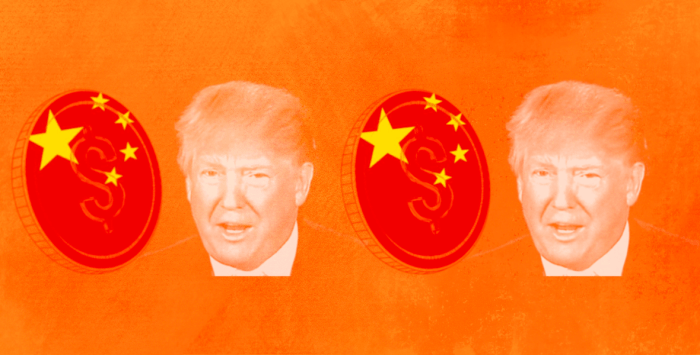
The Biden administration’s approach to Huawei represents a continuation of a long-standing US-China technological rivalry. This ongoing struggle is deeply rooted in economic and national security concerns, with Huawei at the center of those anxieties. The administration’s policies, while not a complete departure from previous strategies, have sought to balance competing interests in a complex geopolitical landscape.The US-China relationship has been marked by fluctuating trade tensions and a complex web of economic and technological competition.
From accusations of unfair trade practices to concerns about intellectual property theft, the relationship has been fraught with challenges. Huawei, with its rapid expansion in the telecommunications sector, has become a focal point of this conflict, viewed by some as a potential national security threat due to its close ties with the Chinese government.
Biden’s presidency, unfortunately, won’t magically erase Huawei’s challenges with the US. While you’re mulling over those complex geopolitical issues, consider grabbing the ultimate website builder for Mac while it’s 70% off! grab the ultimate website builder for mac while its 70 off. This tech deal might be a welcome distraction, but ultimately, resolving Huawei’s US issues requires more than just a new administration.
The underlying problems remain.
Historical Overview of US-China Relations and Trade Tensions
The US-China relationship has evolved from a period of engagement and economic cooperation to a period of growing tension and competition. Early engagement fostered trade and investment, but concerns about intellectual property theft and forced technology transfer eventually emerged, leading to trade disputes. The rise of Huawei, a Chinese telecommunications giant, became a critical factor in the escalation of these tensions.
Its extensive network infrastructure and close ties with the Chinese government sparked worries about potential espionage and the potential for disrupting US national security interests.
Biden Administration’s Policies Regarding Huawei
The Biden administration, while recognizing the complexities of the issue, has maintained a cautious approach toward Huawei. This approach involves a combination of sanctions and export restrictions designed to limit Huawei’s access to US technology and hinder its global expansion. These measures aim to safeguard US national security interests while considering the economic ramifications of a more confrontational stance.
Rationale Behind the Administration’s Stance
The Biden administration’s approach to Huawei is rooted in several considerations:
- National Security Concerns: The administration has highlighted concerns about Huawei’s potential to be used for espionage or to disrupt critical infrastructure. The company’s close ties with the Chinese government and its extensive global network have raised questions about the security of 5G networks, and the potential for the misuse of sensitive data.
- Economic Considerations: The US government has expressed concerns about unfair trade practices and intellectual property theft. The restrictions on Huawei are part of a larger strategy to protect American businesses and ensure fair competition.
- Technological Competition: The administration has emphasized the importance of maintaining a technological edge in a global competition with China. The US sees Huawei as a key player in this competition, and limiting its access to advanced US technology is seen as a crucial step in ensuring US technological dominance.
Comparison with Previous Administrations’ Strategies
While the Biden administration’s approach shares some similarities with previous administrations’ strategies, there are also key differences. The emphasis on balancing national security concerns with economic considerations and technological competition marks a distinctive feature of the Biden administration’s policy.
Perspectives on the Biden Administration’s Huawei Policy
| Perspective | Argument | Supporting Evidence | Counterarguments |
|---|---|---|---|
| US Government | Huawei poses a national security threat due to its close ties with the Chinese government and potential for misuse of technology. | Reports of Chinese government influence on Huawei, and concerns about the security of 5G networks. | Arguments that focusing on Huawei distracts from other critical security threats and that the restrictions could hurt US businesses and technological innovation. |
| Huawei | The restrictions imposed by the US government are unjustified and unfairly target the company. | Claims of being a responsible company that complies with international regulations. | Evidence of alleged violations of US sanctions and trade regulations. |
| Chinese Government | The US restrictions are politically motivated and designed to contain China’s technological advancement. | Statements from Chinese officials criticizing US policies. | Evidence that China has engaged in its own trade practices that have been criticized by the international community. |
| Tech Industry | The restrictions on Huawei could disrupt the global telecommunications market and hinder innovation. | Reports of supply chain disruptions and the impact on technological advancement. | Arguments that the restrictions could drive innovation in US technology and encourage alternative solutions. |
Economic Impacts of the US-Huawei Relationship
The US government’s restrictions on Huawei have significant implications for the global economy, impacting not only the technology sector but also various other industries reliant on robust global supply chains. The consequences of these restrictions extend beyond the immediate parties involved, reverberating through the interconnected nature of modern commerce. The US-China trade war and broader geopolitical tensions further complicate the economic picture.The US restrictions on Huawei, while intended to safeguard national security interests, have demonstrably impacted the global technology landscape.
These measures have altered the competitive dynamics, forcing adjustments in the global supply chain and raising concerns about potential disruptions. The economic ramifications are multifaceted, influencing both US and global markets, and are far from simple to analyze.
Potential Economic Consequences for the US
The US restrictions on Huawei have created a complex interplay of potential benefits and drawbacks for American companies. While some US firms might see decreased competition from Huawei in certain markets, leading to potential increased market share, others may face challenges due to the disruption of global supply chains. The loss of access to Huawei’s technologies and products may negatively impact some US industries that rely on them.
The absence of Huawei as a competitor might enable some American companies to expand their market share and gain more profit in the short term. However, the long-term effects of these restrictions on the US economy are not yet fully known.
Potential Economic Consequences for Global Markets
The US restrictions on Huawei have created a significant disruption in the global technology supply chain. Many countries rely on Huawei’s products and technologies, especially in 5G infrastructure and telecommunications. The reduction in Huawei’s global market share has forced other players to step up, but the impact on the supply chain is still being assessed. Disruptions can result in delays, increased costs, and potentially lower quality in the long run.
The lack of competition might lead to higher prices for consumers in the long term.
Impact on Global Technology Supply Chain, Biden presidency wont make huaweis us troubles go away
The restrictions have caused significant ripple effects throughout the global technology supply chain. Components and technologies that were previously supplied by Huawei are now in higher demand and facing shortages, leading to increased costs and delays for manufacturers. This disruption may be felt most acutely in countries that heavily rely on Huawei’s products, creating uncertainty and economic repercussions.
Economic Benefits and Drawbacks for US Companies
The potential economic benefits for US companies, if Huawei’s global market share declines, might include increased market share and potential for greater profits in the short term. However, the potential drawbacks could be the disruption of supply chains, higher costs, and a less competitive global market in the long run. The potential economic benefits and drawbacks for US companies depend on their specific industry and relationship with Huawei.
Comparison with Alternative Scenarios
A scenario where Huawei remains a major player in the global market would likely result in a more competitive landscape. This would translate to potentially lower prices for consumers, more innovation, and a robust global supply chain. However, concerns about national security and intellectual property rights would likely remain. The absence of Huawei could lead to greater reliance on other suppliers and potential vulnerabilities in the global supply chain.
Potential Impact on Global Smartphone Production and Exports
The table below illustrates the potential impact of US policies on global smartphone production and exports. The data is illustrative and not a precise prediction. The potential impact varies significantly depending on various factors, including the ability of other companies to fill the gap left by Huawei.
| Country | Huawei’s Market Share | Potential Impact | Alternative Scenario |
|---|---|---|---|
| China | Significant | Potential decline in production due to reduced demand and supply chain disruptions. | Continued strong performance, possibly leading to increased market share. |
| South Korea | Moderate | Potential increase in market share, but may face supply chain disruptions. | Maintaining a moderate market share. |
| United States | Minimal | Limited direct impact, but indirect effects on supply chains. | Potential for increased market share. |
| Europe | Significant | Increased demand for alternative suppliers, potential supply chain shifts. | Potential for more diverse supply chain and less reliance on Huawei. |
National Security Implications
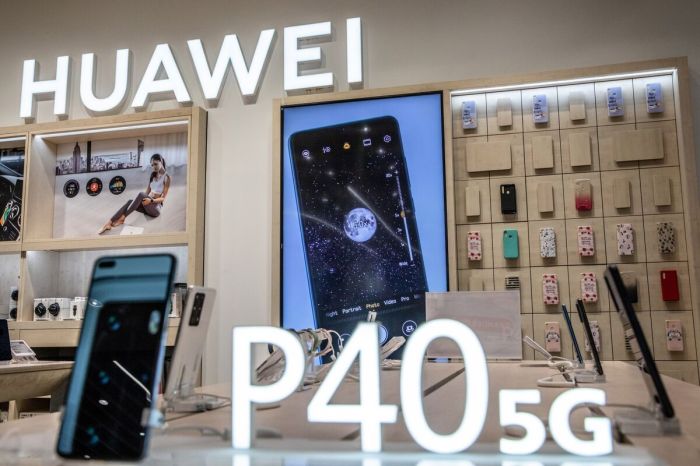
The US government’s concerns regarding Huawei’s involvement in 5G infrastructure extend beyond economic competition. The potential for national security vulnerabilities within this technology presents a significant challenge, raising questions about the trustworthiness of a foreign entity operating within critical US infrastructure. These concerns are not unique to the US, as similar anxieties exist globally.
US National Security Concerns
The US government’s primary concern centers on Huawei’s potential to exploit 5G networks for espionage and sabotage. The fear stems from the interconnected nature of the technology, allowing for potential backdoors and vulnerabilities that could be exploited by the Chinese government. This concern extends to the potential for data breaches and the compromise of sensitive government and private communications.
The US argues that Huawei’s close ties to the Chinese government, coupled with the company’s extensive global network, creates a significant security risk. The government’s position is that Huawei’s involvement in critical infrastructure could be leveraged to gain access to sensitive information. The possibility of manipulation and disruption of essential services further amplifies the security risk.
While the Biden presidency might bring some shifts in US foreign policy, it won’t magically erase Huawei’s issues. Troubleshooting tech problems, like figuring out how to fix a Galaxy S10 battery drain, often involves digging into the specific software and hardware issues. Similarly, resolving Huawei’s ongoing challenges in the US market will require a multifaceted approach, and likely won’t be solved overnight.
how fix galaxy s10 battery problems The complexities are more than just political posturing; fixing the underlying issues is key, just like fixing a phone.
Counterarguments and Chinese Concerns
Huawei and the Chinese government vehemently deny these accusations. They argue that the US’s concerns are politically motivated, intended to stifle Huawei’s global expansion and maintain a technological advantage. Huawei asserts that its technology is secure and that the company adheres to all relevant international standards. The Chinese government has stated that the US restrictions are unfair and violate international trade norms.
Biden’s presidency, unfortunately, won’t magically erase Huawei’s challenges for US interests. While it’s good to see the focus on domestic tech, like figuring out how to change wallpapers on your Samsung Galaxy S7, how change wallpapers samsung galaxy s7 is a much simpler issue than the complex geopolitical landscape involving Huawei. The underlying issues remain, highlighting that tech problems aren’t solved by a single political change.
They contend that the US’s actions are intended to harm Chinese economic interests and further solidify the US’s technological dominance.
Global 5G Infrastructure Development and Alternative Technologies
The US-Huawei relationship significantly impacts global 5G infrastructure development. The ban and restrictions have prompted the development of alternative 5G technologies and partnerships, leading to a diversification of options. This diversification is aimed at mitigating the risks associated with reliance on a single vendor or nation. The global landscape is evolving, with countries exploring and implementing various technologies from different vendors, aiming to avoid the perceived security risks associated with Huawei.
The rise of alternative 5G technologies, such as those developed by Samsung and Nokia, is indicative of this shift.
Implications for Global Telecommunications Security and Trust
Escalating tensions between the US and Huawei could have far-reaching consequences for global telecommunications security and trust. The uncertainty surrounding the security of 5G networks could deter investment and hinder the development of critical infrastructure. This could potentially lead to a fragmentation of the global telecommunications market, with different regions adopting different technologies and standards. Such fragmentation could make international collaboration more difficult and hinder the development of a unified global standard.
Reduced trust in international communication networks could also have serious consequences for global cooperation and collaboration.
National Security Risks Associated with Huawei Technology
| Risk Type | Potential Impact | Mitigation Strategies | International Cooperation |
|---|---|---|---|
| Espionage | Compromised sensitive information, potential for foreign influence. | Implement robust cybersecurity measures, enhance encryption protocols, and scrutinize vendor partnerships. | International sharing of best practices and intelligence on potential threats. |
| Sabotage | Disruption of critical infrastructure, potentially affecting national security. | Develop alternative infrastructure, diversify supply chains, and implement robust monitoring systems. | Establishment of international agreements on cybersecurity standards and infrastructure resilience. |
| Data breaches | Loss of sensitive data, compromise of private communications. | Strengthen data protection regulations, invest in advanced cybersecurity systems, and implement strict access controls. | Collaborative efforts to establish global data security standards and protocols. |
| Manipulation of networks | Potential for manipulation of data or disruption of services. | Implement robust authentication mechanisms, establish independent audits, and develop mechanisms for detecting manipulation attempts. | International collaboration to develop common protocols and methods for detecting and responding to such attacks. |
Alternative Solutions and Perspectives
The US-Huawei relationship, marked by accusations of national security risks and economic competition, presents a complex challenge with no easy solutions. While the Biden administration’s approach has been articulated, alternative strategies and perspectives offer avenues for mitigating the negative consequences and potentially fostering a more constructive dialogue. Exploring these options is crucial for understanding the multifaceted nature of the issue and for developing a more comprehensive strategy for the future.The current dynamic necessitates a broader consideration of solutions beyond the binary of engagement or confrontation.
Finding common ground and promoting international cooperation in technology standards and development can be more fruitful than simply imposing sanctions or fostering technological isolation. These alternative approaches may involve diplomatic negotiations, technological innovation, and shifts in policy that aim for a more balanced and sustainable global technology landscape.
Potential Diplomatic Strategies
Diplomatic initiatives can play a critical role in de-escalating tensions and fostering a more cooperative environment. This includes exploring multilateral agreements that establish common standards for technology development and security. Such agreements could address issues like data security, intellectual property rights, and international trade regulations. These agreements, while complex, offer the potential for fostering trust and reducing the likelihood of future conflicts.
Alternative Technological Solutions
Several alternative technological solutions could reduce reliance on Huawei technology. These include fostering research and development in alternative 5G technologies and encouraging the growth of domestic telecommunications infrastructure. Investing in domestic companies and promoting innovation in areas like network security and data management could create a more resilient and independent technological ecosystem. Examples of this include government subsidies for research, tax incentives for domestic firms, and targeted investments in R&D facilities.
Perspectives on Future Relationship Evolution
The future of the US-Huawei relationship will depend heavily on the policy choices made by both nations. A continued confrontational approach could lead to further escalation, potentially harming both countries’ economies and technological advancement. Conversely, a more collaborative approach, encompassing diplomatic engagement and technological innovation, could pave the way for a more stable and mutually beneficial relationship.
Table of Possible Diplomatic Solutions
| Approach | Potential Benefits | Potential Drawbacks | Likelihood of Success |
|---|---|---|---|
| Multilateral agreements on technology standards and security | Establishment of common ground, reduced tensions, fostering international cooperation | Complex negotiations, potential disagreements on specific clauses, time-consuming process | Medium |
| Joint research and development programs in alternative technologies | Innovation, development of new technologies, creation of new industries | Requires significant investment, potential for delays in implementation | High |
| Targeted sanctions relief tied to specific security commitments | Reduced economic impact, potential for fostering cooperation | Potential for non-compliance, difficulty in verifying commitments | Low |
| International dialogue focused on ethical considerations in AI and tech | Establishment of shared values, global framework for technology use | Difficulty in reaching consensus, varying interpretations of ethical principles | Medium-Low |
Public Perception and Societal Impact
The US-Huawei conflict extends beyond the economic and security realms, deeply impacting public perception and societal attitudes globally. Public opinion on Huawei’s technology and the US government’s actions towards the company varies significantly across nations, influenced by a complex interplay of factors such as national interests, technological dependence, and media narratives. Understanding these nuanced perspectives is crucial to comprehending the broader societal implications of this ongoing dispute.
Public Opinion on Huawei’s Technology
Public perception of Huawei’s technology is multifaceted and often colored by nationalistic sentiments and geopolitical considerations. While some view Huawei as a technologically advanced and innovative competitor, others harbor concerns about potential security risks associated with its products and services. This divergence in opinion significantly influences public discourse and shapes the political landscape in various countries.
Public Response to the Biden Administration’s Approach
The Biden administration’s approach to Huawei has elicited diverse responses across the globe. In some countries, the administration’s policies are seen as a necessary measure to protect national security interests, while in others, they are perceived as economically damaging and detrimental to global technological collaboration. These varying reactions highlight the complex political dynamics at play in the international arena.
Societal Implications of the US-Huawei Conflict
The US-Huawei conflict has the potential to reshape international relations. The conflict’s impact on public opinion and trust between nations is significant, and could potentially lead to further fragmentation of the global technological landscape. This, in turn, could influence the development and adoption of technologies, potentially slowing innovation and hindering economic progress. The tension could also affect the flow of international trade and investment.
Impact on Public Discourse and Perceptions
The ongoing conflict has undeniably influenced public discourse surrounding US foreign policy and trade relations. Debates about national security, economic competition, and technological sovereignty have become more prominent in public forums. Public perception of US leadership and its commitment to international cooperation has been subtly affected.
Varying Public Opinions on Huawei’s Technology
| Country | Public Opinion | Factors Influencing Opinion | Media Coverage |
|---|---|---|---|
| United States | Mixed, with a significant portion expressing concerns about national security risks. | Government pronouncements on security risks, media reports focusing on potential espionage. | Extensive coverage highlighting the security implications of Huawei’s technology. |
| China | Generally positive, with Huawei seen as a national pride and technological achievement. | Government support, media narratives emphasizing Huawei’s innovation and self-reliance. | Extensive coverage emphasizing Huawei’s role in national technological development. |
| Europe | Cautious optimism, with a balance between recognition of Huawei’s technological capabilities and security concerns. | Mixed signals from European governments and differing national priorities, economic reliance on Chinese trade. | Coverage reflecting the nuanced position of different European countries. |
| South Korea | Significant apprehension, with public opinion influenced by the US-Huawei conflict. | Concerns over security vulnerabilities, technological dependence, and economic implications of the conflict. | Media coverage highlighting the economic and political factors of the conflict. |
Summary
In conclusion, while the Biden administration’s policies regarding Huawei are a crucial element in addressing the US-China tech rivalry, they alone are unlikely to fully resolve the issue. The intricate interplay of economic interests, national security concerns, and technological advancements makes a complete resolution challenging. Alternative solutions, encompassing diplomatic strategies and technological diversification, need to be considered to achieve a more balanced and sustainable future for the US-China tech landscape.