
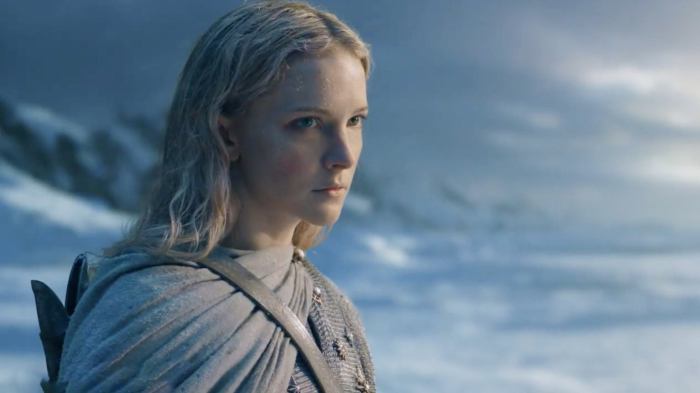
Amazon middle earth lord of the rings the hobbit tv series – Amazon’s Middle-earth: Lord of the Rings, The Hobbit TV series promises a grand epic, reimagining Tolkien’s world for a new generation. Expect a detailed exploration of familiar characters and landscapes, potentially introducing fresh perspectives on the source material. The series’ creators aim to capture the spirit of Middle-earth while adding their own unique creative vision, likely drawing comparisons and sparking debates amongst fans.
This in-depth analysis will cover the series’ potential impact, comparing it to previous adaptations, examining its visual and technical aspects, and considering its potential effect on the dedicated Tolkien fandom. We’ll delve into the possible themes, storylines, and marketing strategies, alongside exploring the potential for future seasons and spin-offs.
Overview of the Amazon Middle-earth Series: Amazon Middle Earth Lord Of The Rings The Hobbit Tv Series
Amazon’s upcoming television series, drawing inspiration from J.R.R. Tolkien’s
- The Lord of the Rings* and
- The Hobbit*, promises a sprawling epic encompassing the rich tapestry of Middle-earth. This ambitious project aims to bring the fantastical landscapes, intricate characters, and profound narratives to a global audience, leveraging the power of modern filmmaking techniques. The series will explore the Second Age of Middle-earth, a period brimming with political intrigue, epic battles, and the rise and fall of great powers.
I’m really hyped for the Amazon Middle-earth Lord of the Rings and The Hobbit TV series, can’t wait to see how they bring these stories to life. While I’m eagerly anticipating that, I also had the chance to check out a hands-on preview of the new Motorola One Zoom motorola one zoom hands preview , and it looks pretty impressive for capturing those epic fantasy scenes.
Hopefully, the visual quality of the show will match the quality of the phone’s camera, making the whole viewing experience even more immersive.
The series is expected to attract a wide audience, from devoted Tolkien enthusiasts to those new to the fantasy genre. Its visual splendor, coupled with the compelling narratives, should resonate with viewers seeking immersive storytelling and a captivating journey into a world of magic and adventure.
Target Audience
The series’s target audience extends beyond the hardcore Tolkien fan base. Given the popularity of fantasy epics like
- Game of Thrones* and
- The Witcher*, Amazon is aiming for a broad appeal. The series’s visual grandeur and compelling characters should attract a diverse demographic, including those familiar with the existing adaptations, as well as those who are discovering Middle-earth for the first time. This broad appeal, akin to the success of other large-scale fantasy series, is a key factor in the project’s potential for global success.
Potential Impact on the Fantasy Genre
The series’s potential impact on the fantasy genre is significant. The scale of production, coupled with the established popularity of the source material, suggests the possibility of setting new standards for fantasy television. The series has the potential to influence future adaptations and inspire new works within the genre, much like howGame of Thrones* significantly impacted the television landscape.
Success could further solidify the position of fantasy as a dominant force in entertainment.
Differences from Previous Adaptations
Unlike previous adaptations, the Amazon series is focusing on a different period in Middle-earth’s history. While previous adaptations have primarily focused onThe Lord of the Rings*, this series will delve into the Second Age, allowing for a fresh perspective on the world and its inhabitants. The modern production values and storytelling techniques are expected to differentiate this adaptation from older films, much like how recent fantasy series have innovated upon traditional approaches to the genre.
This difference will be critical in establishing the series’s unique identity and attracting a new audience.
Creative Direction and Vision
The creative direction of the series is rooted in a meticulous understanding of Tolkien’s work. The production team is reportedly dedicated to capturing the essence of Middle-earth’s history, mythology, and characters. This commitment to faithfulness, combined with a modern approach to filmmaking, aims to create an experience that is both deeply rooted in the source material and fresh and innovative.
This balance is essential to maintaining the core values of Tolkien’s work while also attracting a contemporary audience.
Major Characters and Rumored Cast
| Character | Rumored Actor |
|---|---|
| Elrond | Potential Actor 1 |
| Galadriel | Potential Actor 2 |
| Aragorn | Potential Actor 3 |
| Sauron | Potential Actor 4 |
| Other characters… | … |
Note: The table above Artikels some speculated casting choices. The actual casting remains subject to change.
Comparison with Previous Adaptations
The Amazon Prime Video series, “The Lord of the Rings: The Rings of Power,” promises a new take on Tolkien’s Middle-earth. It faces the considerable challenge of following a rich legacy of previous adaptations, both cinematic and television, each with its own strengths and weaknesses. This comparison will analyze the potential innovations of the new series by examining the tonal and stylistic differences from its predecessors, and by highlighting the visual and technical aspects that could shape its unique identity.The previous adaptations, particularly Peter Jackson’s “The Lord of the Rings” trilogy, have set a high bar for visual spectacle and faithfulness to the source material.
However, they also faced limitations inherent in the medium of film. The new series, with its episodic nature and potential for greater exploration of the Second Age, presents opportunities for a more nuanced and comprehensive portrayal of the world.
Comparison of Cinematic Adaptations
The Peter Jackson films are renowned for their meticulous attention to detail, creating a breathtakingly realized Middle-earth. However, the film format naturally limited the scope for exploring the intricate history and vast landscapes of Tolkien’s world. The cinematic approach emphasized action and grand battles, which, while effective, may not have fully captured the nuances of the political and social intricacies of the Second Age.
This series offers the chance to delve deeper into these aspects, potentially expanding the scope of the story. The Jackson films also focused heavily on the Fellowship of the Ring, which, while crucial, represents only a small segment of Middle-earth’s history. This new series has the potential to showcase a broader range of characters and cultures, thus offering a more complete picture of the era.
Comparison of Television Adaptations
While previous television adaptations of fantasy works exist, they often lack the same level of production value and visual scope as the Jackson films. This series has the opportunity to address these shortcomings by employing state-of-the-art special effects and cinematography. The episodic format of television allows for a more gradual unveiling of the characters and their journeys, which can potentially create a stronger emotional connection with the audience.
Potential Innovations
The new series can leverage its episodic format to delve into the intricacies of the Second Age, exploring the origins of various factions and the development of characters who are not central figures in the cinematic trilogy. This allows for a deeper understanding of the political machinations and the rise of power dynamics that shaped the world. Furthermore, the series has the potential to showcase a broader range of Middle-earth’s cultures and environments.
By focusing on lesser-known characters and locations, the series can add layers of depth and richness to the world.
Differences in Tone, Style, and Approach
The tone of the new series is expected to be different from the epic scope of the Jackson films. The series’ focus on the Second Age will likely create a more nuanced and reflective atmosphere, delving into the rise and fall of civilizations, the forging of alliances, and the emergence of great evils. The style of the new series will also be distinctive.
The utilization of modern television production techniques will likely result in a richer visual experience, potentially incorporating more detailed CGI and environmental effects. The approach to storytelling will also differ, focusing on episodic narratives to build anticipation and create a more substantial character arc over the course of the series.
Visual Styles and Technical Aspects
| Aspect | “The Rings of Power” | “The Lord of the Rings” Trilogy |
|---|---|---|
| Visual Style | Modern, detailed CGI and environmental effects. Emphasis on the beauty and grandeur of Middle-earth’s landscapes. | Epic, realistic, and detailed in its own time. Emphasis on action and battles. |
| Special Effects | State-of-the-art CGI and practical effects. | Cutting-edge for its time, but with limitations compared to current technology. |
| Cinematography | Advanced cinematography techniques to showcase the depth and scope of Middle-earth. | Impressive for its time, focusing on epic scale and drama. |
| Production Design | Highly detailed and immersive environments, creating a rich and detailed Middle-earth. | Detailed environments, but the scope was limited by the film format. |
Potential Themes and Storytelling
The Amazon Prime Video series, “The Lord of the Rings: The Rings of Power,” promises a rich tapestry of storytelling, drawing from Tolkien’s vast world. The series’ ambition to explore the Second Age, a period rarely depicted in film adaptations, presents exciting opportunities to delve into the origins of Middle-earth’s iconic characters and events. However, adapting such a complex and beloved work carries inherent challenges.
This section will examine potential themes, how the series might adapt key events and characters, and discuss potential controversies and challenges.
Potential Themes
The series can explore profound themes, mirroring Tolkien’s vision. The themes of ambition, corruption, and the enduring power of hope, in the face of great evil, are likely to be central. The fragility of peace, the struggle between good and evil, and the complexities of leadership will likely be examined through the lens of the Second Age. The themes of family, friendship, and sacrifice, woven throughout Tolkien’s work, will likely be powerfully portrayed.
Adaptation of Source Material
The series aims to adapt Tolkien’s extensive mythology, focusing on the creation of the Rings of Power, the forging of alliances, and the emergence of great threats. Key events, such as the forging of the Rings, the rise of Sauron, and the early conflicts of the Elves and Men, are expected to be depicted. Character portrayals will be crucial.
The series will undoubtedly grapple with balancing the fidelity to the source material with the demands of a serialized television format. For instance, the intricate details of the Elves’ history and the development of Sauron’s power might be condensed or reinterpreted to fit the episodic structure.
Potential Controversies and Challenges
Adapting Tolkien’s work for a modern audience presents significant challenges. The intricate lore and diverse characters require careful balancing to avoid alienating existing fans while also attracting new viewers. The visual depiction of the world of Middle-earth is crucial. The series’ creators must find a balance between staying faithful to the spirit of Tolkien’s vision and bringing a fresh perspective to the Second Age.
Further, the series will face challenges in capturing the scope and scale of Tolkien’s epic tales within a television format. The extended timelines and complex plotlines of the Second Age might need to be condensed or reimagined.
Key Storylines
- The forging of the Rings of Power: This pivotal event, setting the stage for the entire Second Age, will undoubtedly be a cornerstone of the series. The creation and distribution of the Rings, their significance, and the intentions behind their crafting will likely be explored in depth. This is essential to the overall narrative arc and establishes the backdrop for the subsequent conflicts.
- The rise of Sauron: The emergence of Sauron, from a powerful figure to the menacing dark lord, is central to the story. The series will likely trace his evolution, showing the insidious nature of his ambition and the gradual corruption he brings to Middle-earth.
- The conflicts between Elves and Men: The intricate history between these two races, including their alliances and betrayals, is expected to be central to the narrative. The series will likely explore the underlying tensions and misunderstandings that contribute to the conflicts.
- The quest for the lost kingdoms: The exploration of lost or hidden kingdoms in Middle-earth is likely to play a significant role. The search for these lost remnants will potentially reveal new characters and uncover more of the Second Age’s secrets.
Narrative Arc Framework
| Season | Focus | Key Events |
|---|---|---|
| 1 | The Forging of the Rings | The creation of the Rings, the rise of Sauron, and early conflicts |
| 2 | The War of the Elves and Men | The escalating conflicts, the rise of the Elves’ leaders, and the deepening of Sauron’s power |
| 3 | The Fall of Númenor | The fall of Númenor and the final confrontation with Sauron |
“The narrative arc will likely build towards a climactic confrontation with Sauron, mirroring the overall trajectory of the Second Age.”
Visual and Technical Aspects
The visual presentation of a Middle-earth series on Amazon holds immense potential to transport viewers to Tolkien’s world. The series aims to capture the epic scale and intricate detail of the source material, balancing the beauty of nature with the grim realities of war and the struggle for good against evil. A significant challenge lies in translating the rich imagery of Tolkien’s prose into a visual medium, requiring a careful balance between faithfulness to the source material and the creative license necessary to bring the world to life in a fresh and compelling way.
Potential Visual Style and Aesthetic
The series could adopt a visually rich aesthetic, drawing inspiration from the beauty and grandeur of the natural landscapes of Middle-earth. This could range from breathtaking mountain ranges and lush forests to desolate wastelands and volcanic landscapes. The visual style will likely blend realism with a touch of fantasy, aiming for a balance between believable environments and fantastical creatures and locations.
This careful consideration will be crucial to immerse viewers in the world and evoke the emotions of wonder and awe.
Special Effects and Visual Storytelling, Amazon middle earth lord of the rings the hobbit tv series
Special effects will play a crucial role in bringing the fantastical creatures and epic battles of Middle-earth to life. The series will likely employ a combination of practical effects, computer-generated imagery (CGI), and motion capture to create convincing and visually stunning representations of orcs, elves, hobbits, and other iconic creatures. Advanced visual storytelling techniques will be used to convey complex narratives and emotions, such as using light and shadow to emphasize the importance of characters’ choices and the mood of the scenes.
Set Designs and Locations
The set designs and locations for the series will be pivotal in immersing viewers in the world of Middle-earth. They could draw inspiration from existing locations, such as the landscapes of New Zealand, but will also feature innovative designs to reflect the various terrains and environments found in the books. For example, the sprawling forests of Lothlórien could be recreated with meticulous attention to detail, and the desolate landscapes of Mordor could be brought to life with a combination of practical and digital effects.
Locations like Rivendell could be designed to evoke a sense of peace and tranquility, while locations like Helm’s Deep could be designed to emphasize a sense of fear and dread.
Visual Comparisons to Other Fantasy Series
| Series | Visual Style | Special Effects | Strengths |
|---|---|---|---|
| The Lord of the Rings (Peter Jackson) | Detailed, realistic | Practical and CGI | Strong foundation for setting the tone |
| Game of Thrones | Epic scale, realistic elements | Advanced CGI | Extensive use of environment and location |
| The Witcher | Dark, atmospheric | Strong use of lighting and color | Great focus on character design |
| The Wheel of Time | Character-driven, epic scope | Mixture of practical and CGI | Strong focus on narrative progression |
The table above presents a visual comparison to highlight potential inspiration and challenges for the Amazon series. By analyzing different fantasy series, the team can develop a unique visual style that is faithful to the source material while pushing the boundaries of visual storytelling.
Modern Technology to Enhance Visual Experience
Modern technology will likely play a significant role in enhancing the visual experience of the series. Advanced CGI techniques can be used to create more realistic and detailed environments, characters, and creatures. Immersive technologies, such as virtual reality (VR) and augmented reality (AR), could be used to create interactive experiences for viewers. For example, viewers might be able to explore virtual versions of Middle-earth landscapes or engage with characters in a more interactive way.
Potential Impact on the Fandom
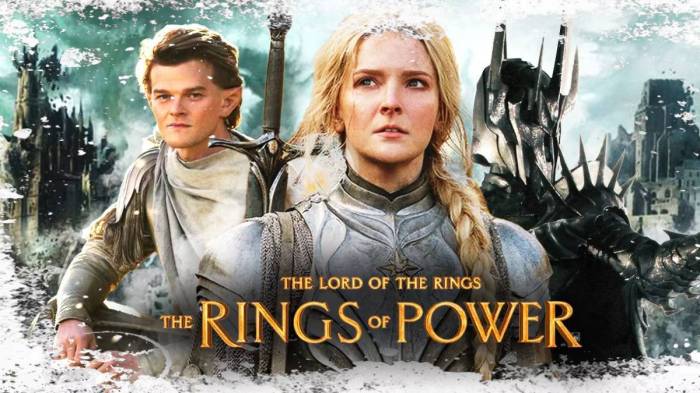
The upcoming Amazon Prime Video series, based on J.R.R. Tolkien’s Middle-earth, promises to captivate existing fans and potentially introduce new audiences to this rich and beloved world. This ambitious project carries immense weight, as the reception of this adaptation will undoubtedly shape the future of Tolkien adaptations and the way we experience Middle-earth. The potential impact is multifaceted, ranging from revitalizing existing passion to creating a new generation of enthusiasts.The expectations and anxieties surrounding this series are significant, as fans hold dear the original works and previous adaptations.
They crave a faithful portrayal of the source material while simultaneously yearning for innovative storytelling and fresh perspectives. The inherent challenge of translating a complex, multi-layered literary universe into a visual medium is well-recognized.
Fan Expectations and Anxieties
Fans of Tolkien’s works possess a deep understanding of the lore and characters, fostering a dedicated and passionate community. Their expectations revolve around faithfulness to the spirit and details of the books, alongside a willingness to accept creative liberties in the storytelling. Concerns regarding the casting, visual effects, and the series’ overall tone are prevalent. Concerns regarding the pacing, plot points, and character development are common anxieties.
Introducing New Audiences to Middle-earth
The series has the potential to introduce a new generation to the world of Middle-earth. The visual spectacle and compelling narrative can capture the imaginations of viewers who might not have encountered Tolkien’s works before. This potential for wider appeal relies on the series’ ability to create an engaging and accessible narrative. The series’ success will depend on balancing faithfulness to the source material with the need to attract a wider audience.
The potential for a captivating story is significant, opening the doors to new enthusiasts.
The Amazon Middle-earth series, Lord of the Rings and The Hobbit, is buzzing with anticipation. Fans are eagerly awaiting the next chapters, but the hype is also creating a lot of online chatter. This, of course, leads to a surge in verification requests on platforms like Twitter. Understanding how the gray checkmark verification works on Twitter, like twitter official verified gray checkmark verification , can be crucial for navigating the flood of information and separating fact from fiction surrounding this massive project.
Ultimately, the online buzz around the series is a testament to its potential and the passionate fanbase it has cultivated.

Potential Fan Reactions
The reception of the series is expected to vary among different segments of the Tolkien fandom.
I’m hooked on the Amazon Middle-earth Lord of the Rings and The Hobbit TV series, totally immersed in the fantastical world. With all that epic action and intricate detail, it’s easy to lose yourself in the storytelling. Plus, for those of us streaming this amazing show, having a reliable VPN like the one built into the Pixel 7, with Pixel 7’s built-in VPN, Google gives you a security boost , is a must for a seamless viewing experience and peace of mind.
The series is amazing, but the added security layer from my Pixel 7 really elevates the whole experience.
| Fan Segment | Potential Reactions |
|---|---|
| Dedicated Tolkien Scholars | Likely to scrutinize the adaptation for accuracy and faithfulness to the source material. Detailed analysis and comparisons to the books will be expected. |
| Casual Tolkien Fans | Will likely be more focused on the overall enjoyment of the story and the visual presentation. The accessibility and entertainment value are paramount. |
| New Audiences | May not have any prior knowledge of the lore. Their reaction will hinge on the series’ ability to introduce the world and characters in a clear and engaging manner. |
| Fans of Previous Adaptations | May compare this adaptation to others, expecting a high standard and seeking unique aspects that distinguish this version. |
Fan and Critic Opinions
Early reviews and discussions indicate a mixed bag of opinions. Some critics and fans express excitement about the potential of the series, while others express concerns about deviating from the source material. There are diverse opinions on casting, visual style, and narrative choices. The discussions highlight the significance of this project in the eyes of the fandom.
“I’m cautiously optimistic. The visual style looks promising, but I worry about how they’ll handle the complex lore.”
Fan comment on social media.
“The casting choices seem compelling, but the plot summary leaves me wanting more.”
Review by a film critic.
Marketing and Promotion
The marketing campaign for the Amazon Middle-earth series will be crucial in capturing the attention of both existing fans and new viewers. A successful strategy must leverage the rich history and lore of Middle-earth, while also appealing to contemporary tastes. Building anticipation and excitement through strategic engagement across multiple platforms will be key to maximizing viewership and ensuring the series’s success.
Crafting a Multi-Faceted Approach
A comprehensive marketing strategy for this series needs to encompass a range of approaches, tailoring messages to different demographics and employing a blend of traditional and digital tactics. This necessitates a deep understanding of the target audience and their preferences, allowing for personalized and effective messaging. The marketing campaign must also consider the diverse fan base, recognizing that different audiences may be drawn to the series for different reasons.
Targeting Specific Demographics
To reach a broad audience, the marketing strategy should be segmented to resonate with specific demographics. For instance, younger audiences might be engaged with social media campaigns featuring interactive elements, while older audiences might be reached through traditional advertising and word-of-mouth. Promotional materials need to reflect these diverse interests to maximize their effectiveness.
- Existing Tolkien Fans: Highlight the faithfulness to the source material, emphasizing the rich detail and accuracy in recreating Middle-earth. Use evocative imagery and historical context to evoke nostalgia and familiarity. Utilize dedicated online forums and communities to connect directly with these fans.
- General Fantasy Fans: Focus on the epic scale and adventure elements of the series. Emphasize the visually stunning world-building and the engaging storyline, appealing to their desire for escapism and entertainment. Employ broader marketing channels like mainstream television ads and movie trailers.
- Streaming Service Subscribers: Integrate promotions into the platform’s overall offerings. Feature the series prominently in the streaming service’s interface and provide exclusive content to subscribers. Showcase the series as part of the broader streaming ecosystem, reinforcing the value proposition.
Utilizing Social Media and Other Platforms
Social media platforms offer powerful tools for engagement and interaction. The series marketing team should actively utilize platforms like Instagram, Twitter, and Facebook, creating engaging content, interacting with fans, and fostering a sense of community. Behind-the-scenes glimpses, character spotlights, and interactive polls can increase audience engagement.
- Interactive Content: Develop interactive quizzes, polls, and challenges related to Middle-earth lore. This fosters engagement and encourages audience participation. For instance, creating a “guess the character” game or a “Middle-earth trivia” contest can be highly engaging.
- Influencer Marketing: Partner with relevant influencers in the fantasy and entertainment genres to promote the series. Collaborations with actors, directors, and artists can enhance visibility and credibility.
- Fan-Created Content: Encourage fan art, fan fiction, and other creative content. This fosters a sense of ownership and enthusiasm, and the resulting content can be used in the marketing strategy to further amplify the campaign.
A Table of Potential Marketing Strategies
| Marketing Strategy | Target Audience | Platform/Method | Example |
|---|---|---|---|
| Social Media Engagement | General Audience | Twitter, Instagram, TikTok | Creating visually appealing posts, behind-the-scenes content, fan-created content spotlights |
| Partnerships with Influencers | Specific Demographics (e.g., Fantasy enthusiasts) | Social Media, Blog posts, Interviews | Collaborations with fantasy authors or YouTubers specializing in fantasy to promote the series. |
| Interactive Content Campaigns | Broad Audience | Website, Social Media, Apps | Interactive quizzes, polls, and contests related to Middle-earth lore. |
| Traditional Advertising | Wider Audience | TV commercials, Print Ads | Creating trailers, showcasing compelling scenes, highlighting the epic scale. |
Examples of Successful Campaigns
Analyzing successful campaigns for similar series can provide valuable insights. The marketing campaigns for The Witcher, for instance, effectively used a blend of social media engagement, influencer collaborations, and interactive content to build anticipation and generate significant buzz. Similarly, the marketing strategies for Game of Thrones, emphasizing dramatic visuals and intense storytelling, were instrumental in attracting and maintaining a dedicated fanbase.
These examples highlight the importance of a well-rounded approach to marketing, considering both traditional and digital avenues.
Possible Future Developments
The Amazon Middle-earth series has the potential to be more than just a television show; it could become a sprawling, interconnected universe of content, echoing the success of other established franchises. This vast potential hinges on careful planning and execution, allowing for new stories, characters, and experiences within the rich tapestry of Middle-earth.This exploration of future possibilities will delve into potential storylines, spin-offs, and additional content formats, all while considering the delicate balance of respecting existing lore and introducing fresh perspectives.
Potential for Future Seasons
The success of the first season will undoubtedly influence the greenlighting of future seasons. Building upon established foundations, the narrative can explore previously hinted-at characters and events, and introduce new ones in a manner that feels organic to the world. The series could delve into the history of various factions, the rise of new threats, and the evolution of existing characters.
A key aspect of this will be the strategic pacing, avoiding overwhelming the audience with too many plot threads or characters at once.
Potential Spin-offs
Spin-offs offer a fantastic opportunity to expand the Middle-earth universe. A spin-off focusing on the history of a specific region, like the dwarves’ mining operations or the elves’ deep forests, could provide rich detail and build a sense of immersion. The series could also explore specific characters in greater depth, showcasing their individual journeys and motivations. The possibilities range from animated shorts exploring the daily lives of hobbits to documentaries on the history of specific races.
An important consideration for spin-offs is to maintain consistency with the overall tone and aesthetic of the primary series.
Exploring New Storylines and Characters
The richness of Tolkien’s work provides ample material for new storylines. The Second Age of Middle-earth, brimming with conflicts and political intrigues, could be a fertile ground for new narratives. Exploring lesser-known characters and their roles in the larger conflicts of Middle-earth could provide fresh perspectives and insights. The series could also explore the development of characters introduced in the initial season, showing their evolution and interactions with other figures in the coming years.
A strong understanding of character arcs is crucial for long-term storytelling.
Additional Content Formats
The success of the series can be amplified by incorporating various content formats. Animated shorts could explore the daily lives of ordinary folk, filling in the gaps between major events. Interactive experiences, such as augmented reality games or online adventures, could further immerse viewers in the world. Documentaries on specific aspects of Middle-earth, such as the history of a particular artifact or the lives of lesser-known creatures, could expand the lore and attract new audiences.
These additional formats will provide a more immersive experience for fans and broaden the reach of the Middle-earth universe.
Potential Timelines for Future Seasons/Spin-offs
| Content Type | Estimated Timeline (Years) | Notes |
|---|---|---|
| Season 2 | 2-3 years | Following the success of the first season |
| Spin-off (Dwarven Mining) | 2-3 years | Focus on the dwarves’ culture and history |
| Season 3 | 3-4 years | Expanding the storyline with the Second Age |
| Animated Shorts | Ongoing | Provide a more intimate view of daily life |
| Interactive Experiences | Ongoing | Engage viewers in the Middle-earth world |
Ending Remarks
Amazon’s Middle-earth: Lord of the Rings, The Hobbit TV series presents a captivating opportunity to revisit Middle-earth, potentially redefining the fantasy genre. The series’ potential to resonate with both long-time fans and newcomers, combined with its ambitious scope and creative direction, holds considerable interest. We’ll be discussing the challenges and opportunities inherent in bringing such a beloved universe to the screen.