React Native 0.87 Arrives with Strict TypeScript as Default, Experimental SwiftPM Support, and Elevated Toolchain Requirements

The release of React Native 0.87 marks a significant milestone for the cross-platform framework, introducing structural improvements aimed at developer ergonomics, modern toolchain alignment, and long-term ecosystem stability. Spearheaded by a collaborative effort involving 74 contributors who authored 265 commits, this latest stable version replaces older iterations and brings critical upgrades to JavaScript type safety, build system integrations, and package management on both iOS and Android. With version 0.84 transitioning out of official support, engineering teams worldwide are encouraged to evaluate their upgrade pathways to leverage the performance and architectural enhancements baked into this release.
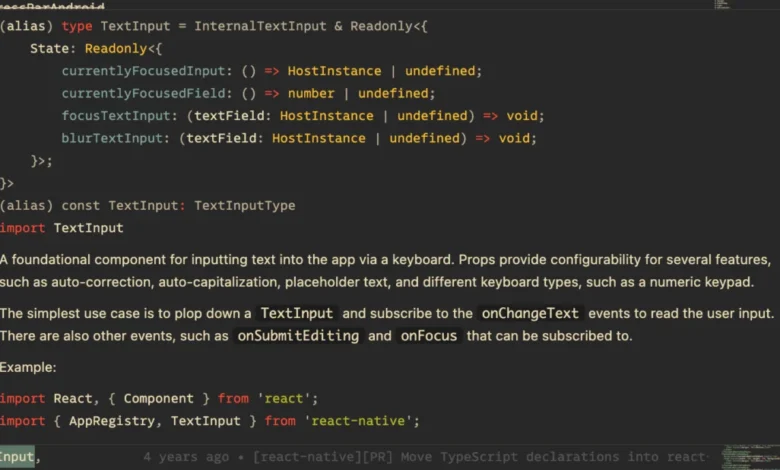
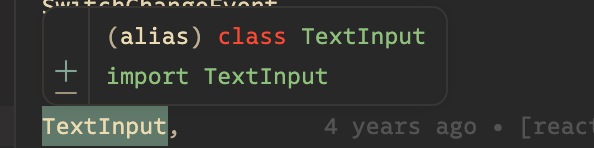
At the core of version 0.87 is the transition of the Strict TypeScript API to the default JavaScript interface for all newly initialized and upgraded projects. Initially introduced as an opt-in preview in version 0.80 alongside the deprecation of deep imports, the Strict API brings intentional, ecosystem-wide adjustments designed to improve type correctness and code predictability. Developers will immediately notice enhanced IDE integration, featuring comprehensive documentation and type information directly within hover tooltips for core components like TextInput. While this transition introduces breaking changes across the API surface, the React Native core team has worked closely with community partners to finalize root exports and resolve incompatibilities with widely used libraries. For teams requiring additional time to refactor legacy codebases, a temporary opt-in bridge remains available through the introduction of the "react-native-legacy-deep-imports" custom condition in tsconfig.json. However, maintainers have confirmed that these legacy types will be permanently excised in the subsequent 0.88 release, signaling a decisive shift toward a fully typed ecosystem.

On the iOS front, React Native 0.87 introduces experimental support for the Swift Package Manager (SwiftPM), providing an additive alternative to the long-standing CocoaPods dependency manager. Designed to streamline native iOS development, the SwiftPM integration relies entirely on prebuilt XCFrameworks already published by the framework, eliminating the need for Ruby, Bundler, or CocoaPods configurations. Developers can integrate SwiftPM into existing projects using a dedicated command-line interface (npx react-native spm --deintegrate), which injects package references directly into the existing .xcodeproj file without disrupting project signing, capabilities, or build phases. A notable operational benefit of this integration is the automation of native dependency management; subsequent additions or removals of native packages no longer require manual execution of pod install, as the project dynamically detects changes and handles autolinking during the build phase. To accommodate the strict structural requirements of SwiftPM regarding XCFrameworks and header locations, the core team restructured precompiled binaries, introducing new header-only frameworks and standardizing namespace resolution. Consequently, developers must update bare-form angle includes in their native code—such as changing #import <RCTAppDelegate.h> to #import <React/RCTAppDelegate.h>—to ensure seamless compilation.
Android development within the React Native ecosystem also receives a major modernization push with official support for the Android Gradle Plugin (AGP) version 9. As a foundational build system update, AGP 9 brings critical API modifications and performance optimizations to the Android build pipeline. Because AGP 9 introduces substantial alterations to Gradle build behaviors, the React Native core team currently recommends that engineering teams explicitly opt out of built-in Kotlin and the new Domain Specific Language (DSL) API behaviors by configuring specific flags within their android/gradle.properties file (android.builtInKotlin=false and android.newDsl=false). These temporary opt-out mechanisms bridge the gap for existing projects while the broader Android ecosystem adapts to the AGP 9 architecture, with plans to phase out the flags in future AGP 10 releases.
To support these advanced architectural features and ensure high execution performance, React Native 0.87 enforces elevated minimum toolchain requirements across the board. The framework now mandates Node.js 22, Android Gradle Plugin 9, and Kotlin 2.0 or higher. These stringent thresholds reflect the broader industry movement toward modern JavaScript runtimes and advanced compiler infrastructures, ensuring that applications built with React Native can take full advantage of asynchronous performance gains, memory management improvements, and modern language features. Furthermore, Metro—the JavaScript bundler optimized for React Native—has been updated from version 0.84 to 0.87, delivering faster asset resolution, reduced memory overhead, and leaner compilation cycles that directly benefit local development speeds and production bundle sizes.
The transition timeline for version 0.87 follows established release cycles within the React Native community. Following its deployment as the latest stable version, legacy iterations such as version 0.84 have officially moved to unsupported status in accordance with the project’s formal support policy. To assist development teams with the upgrade process, the React Native Upgrade Helper remains the primary resource for identifying granular code differences between versions. Additionally, specialized tooling has been introduced to mitigate upgrade friction, including the /migrate-to-strict-api skill designed for agent-driven code migrations, which supplements existing ESLint fixers and comprehensive documentation. For teams operating within the Expo ecosystem, React Native 0.87 is slated for integration via upcoming expo@canary releases, paving the way for broader consumer adoption across managed workflows.
From an industry perspective, the systematic enforcement of strict typing and the embrace of native package managers like SwiftPM underscore React Native’s maturation into an enterprise-grade framework. By aligning JavaScript development patterns closer to native paradigms and eliminating legacy technical debt, the core maintainers are positioning the framework to handle increasingly complex, large-scale mobile applications. While breaking changes and elevated toolchain requirements demand careful planning during upgrade cycles, the long-term implications include superior developer productivity, enhanced application stability, and a more robust foundation for cross-platform mobile engineering. As the ecosystem continues to rally around TypeScript strictness and modern build architectures, version 0.87 serves as a crucial stepping stone toward a more predictable, high-performance future for React Native developers worldwide.