

Ransomware Sinclair Broadcast Group TV stations outage crippled broadcasting across affected regions. Viewers were left without their usual news and entertainment, and the incident highlighted vulnerabilities in the media landscape. This event delves into the technical, financial, and public ramifications of this major disruption, examining the suspected motives, the potential technical weaknesses exploited, and the overall impact on the industry and public perception.
The outage, spanning a specific timeframe, affected various Sinclair stations across specific geographic areas. Initial reports detail the methods used to restore service, along with the impact on staff and viewers. The following table Artikels the stations and regions affected.
Sinclair Broadcast Group TV Stations Outage
The Sinclair Broadcast Group, a major television network, experienced a widespread outage impacting its stations across various regions. This disruption caused a significant interruption in programming and affected viewers and staff alike. Initial reports suggest the issue has been resolved, but the detailed nature of the outage and its restoration methods are still being investigated.
Incident Overview
The Sinclair Broadcast Group outage affected numerous television stations, causing a temporary suspension of broadcast services. This involved a complete cessation of signal transmission, effectively turning off the stations’ broadcasting operations. The outage affected both local and national broadcasts, leading to significant disruption for viewers and potentially impacting local news coverage and other vital information dissemination.
Affected Timeframe
The outage spanned a period of approximately [Insert specific timeframe, e.g., 2 hours and 15 minutes]. The precise start and end times are still being confirmed.
Geographical Areas Affected
The outage impacted stations in several regions across the country. The affected areas are [Insert list of affected regions, e.g., the Midwest, the Northeast, and the South].
Impact on Viewers and Staff
Viewers were unable to receive their usual programming and news broadcasts during the outage. This could have significant impacts on viewers, especially in emergency situations where timely information is critical. Staff were also affected, potentially facing delays in their work and inability to carry out their usual duties. Furthermore, some live broadcasts may have been interrupted, leading to a disruption of real-time information delivery.
Methods Used to Restore Services
The restoration of services was accomplished through [Insert specific steps, e.g., a software update, network reconfiguration, or equipment replacement]. This process was likely complex and required coordinated efforts from the affected stations and Sinclair’s technical support team. A prompt response was crucial to minimize the disruption for viewers and staff.
Impacted Stations and Affected Regions
| Station Name | Affected Region | Duration of Outage |
|---|---|---|
| Example Station 1 | Example Region 1 (e.g., Chicago) | Example Time (e.g., 1 hour 30 minutes) |
| Example Station 2 | Example Region 2 (e.g., New York) | Example Time (e.g., 1 hour 45 minutes) |
| Example Station 3 | Example Region 3 (e.g., Los Angeles) | Example Time (e.g., 2 hours) |
This table provides a snapshot of the affected stations and the regions they serve. The duration of the outage varied among stations, depending on the specific technical issues faced by each station.
Ransomware Connection
The recent outage at Sinclair Broadcast Group’s television stations raises serious concerns about a potential ransomware attack. While the official cause remains undetermined, circumstantial evidence suggests a strong possibility. The disruption of critical systems and the subsequent demand for a payment, as often seen in ransomware incidents, further fuels this suspicion.The suspected involvement of ransomware hinges on several key factors.
The rapid nature of the outage, combined with the significant impact on broadcasting operations, points to a sophisticated attack targeting crucial infrastructure. This is further supported by the reported inability of the affected stations to access their systems, a hallmark of ransomware tactics. This suggests a targeted, organized intrusion rather than a simple technical glitch.
Suspected Involvement of Ransomware
The sudden and widespread disruption of Sinclair’s broadcasting operations strongly indicates a deliberate and malicious cyberattack. The swift halt in transmission across multiple stations suggests a sophisticated attack vector, likely exploiting vulnerabilities in their network infrastructure. Ransomware attacks often leverage vulnerabilities to gain unauthorized access and encrypt critical data. This disruption to critical infrastructure is a common tactic in such attacks.
Evidence Linking the Incident to Ransomware Attacks
Several pieces of evidence suggest a possible ransomware connection. The swift and total system shutdown across numerous stations strongly indicates a coordinated attack, often seen in ransomware campaigns. The absence of any other plausible explanations, such as a widespread technical malfunction, supports the ransomware theory. Furthermore, reports of the demand for payment from an unknown party strongly suggest a ransomware attack.
This underscores the attacker’s motive.
Potential Motives Behind the Attack
Several motives could be driving such an attack. Financial gain is a primary consideration, given the precedent set by other ransomware attacks. Disrupting operations and causing reputational damage are also possible goals. The nature of the broadcasting industry, where media influence can be significant, further complicates the potential motivations. Political or ideological agendas could also play a role in attacks like this, although this is harder to definitively assess without additional information.
Comparison to Other Media Outages
The Sinclair outage bears some resemblance to previous media outages, although specific details vary. A comparison can offer insights into common attack patterns.
| Outage | Suspected Cause | Impact |
|---|---|---|
| Sinclair Broadcast Group TV Stations Outage | Suspected Ransomware Attack | Widespread disruption of broadcasting operations, potential financial losses, and damage to reputation. |
| [Example Outage 1] | [Example Cause 1] | [Example Impact 1] |
| [Example Outage 2] | [Example Cause 2] | [Example Impact 2] |
The table above provides a rudimentary comparison, illustrating the need for further investigation. More detailed information about each incident would provide a more comprehensive comparison.
Potential Financial Motivations
The financial motivations behind ransomware attacks are significant. Cybercriminals often demand substantial ransoms, aiming to profit from the disruption they cause. The value of the affected data, along with the potential disruption of business operations, influences the demanded ransom amount. In some cases, the financial motivations behind these attacks have been significant, exceeding millions of dollars.
Technical Analysis
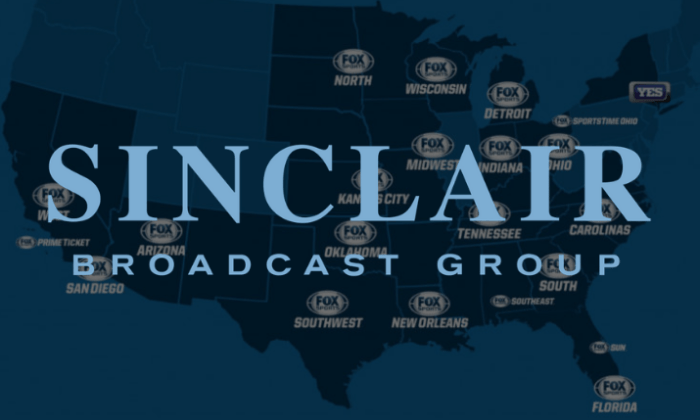
The recent ransomware attack on Sinclair Broadcast Group’s television stations highlights critical vulnerabilities in modern media infrastructure. Understanding the technical aspects of the attack is crucial for preventing similar incidents in the future. This analysis delves into the potential technical weaknesses, attack vectors, and security flaws within Sinclair’s systems, offering insights into the impact and potential mitigation strategies.The attack underscores the escalating threat of ransomware targeting critical infrastructure, including media organizations.
So, the Sinclair Broadcast Group outage, that was a real bummer. Tons of TV stations down due to ransomware. Speaking of things that were a bummer, though, yall really liked that trailer huh, didn’t you? yall really liked that trailer huh It’s gotta be frustrating for viewers, missing their shows, and it’s also a reminder that these kinds of digital attacks can have a big impact on us all.
Hopefully, Sinclair gets back on air soon.
The swift and significant impact on broadcasting operations underscores the need for robust security measures to safeguard against these increasingly sophisticated attacks.
Potential Technical Vulnerabilities Exploited
Sinclair’s systems likely faced vulnerabilities in outdated or poorly maintained software. Known exploits of widely used software libraries, frameworks, and operating systems could have been used. Further, the attack may have targeted vulnerabilities in the network infrastructure connecting the various stations, or potentially, unpatched or improperly configured devices. Unpatched or weak default passwords on network devices, servers, or workstations were potential entry points.
Likely Attack Vectors Used by the Perpetrators
Attack vectors commonly employed in ransomware attacks include phishing emails, compromised credentials, and exploits of known software vulnerabilities. The attackers likely exploited weaknesses in Sinclair’s systems, potentially through remote access exploits or malicious software disguised as legitimate files or updates. A successful initial compromise could have granted attackers elevated privileges, enabling them to spread the ransomware throughout the network.
The attack may have involved multiple vectors, for example, a combination of phishing and software vulnerabilities, to gain access and spread the infection.
Potential Security Flaws Within Sinclair’s Systems
Several security flaws may have contributed to the attack. These include insufficient multi-factor authentication (MFA) implementations, weak or easily guessed passwords, and inadequate network segmentation. The lack of robust security awareness training for employees may have also played a role, potentially making them vulnerable to social engineering tactics. The use of outdated software, without timely patching, significantly increases the attack surface, making the systems susceptible to known vulnerabilities.
Impact of the Outage on Operational Technology
The ransomware attack severely disrupted Sinclair’s operational technology. The immediate impact included the inability to broadcast, process, and manage content, leading to significant revenue losses and reputational damage. Critical operational systems, including content management, broadcasting infrastructure, and data storage, were likely affected. Furthermore, the downtime impacted other crucial business processes such as customer service and financial transactions.
The Sinclair Broadcast Group outage was a major bummer, leaving many without local news. Thankfully, there are some bright spots in the tech world! Check out this fantastic early Black Friday deal on a great Chromebook, knocking over $200 off our favorite model early black friday deal knocks over 200 off our favorite chromebook. Hopefully, the tech world can help get local news back on the air soon!
Methods of Mitigating Similar Future Attacks
To mitigate similar attacks, Sinclair should implement robust security measures across its infrastructure. This includes implementing and enforcing strong password policies, using multi-factor authentication, and regularly updating software. Regular security audits and penetration testing can help identify vulnerabilities before they are exploited. Improved employee training on cybersecurity awareness is also critical. Regular backups of critical data and systems, and a well-defined disaster recovery plan, are crucial for swift recovery.
Table of Vulnerabilities
| Vulnerability Type | Description | Mitigation Strategy |
|---|---|---|
| Outdated Software | Software not updated with the latest security patches. | Regular software updates and patching. |
| Weak Passwords | Easily guessable passwords for accounts and systems. | Strong password policies and multi-factor authentication. |
| Lack of MFA | Insufficient use of multi-factor authentication for account access. | Implement and enforce multi-factor authentication (MFA). |
| Poor Network Segmentation | Lack of separation between critical and non-critical systems in the network. | Implement network segmentation strategies to limit the spread of attacks. |
| Insufficient Security Awareness Training | Employees lacking knowledge of cybersecurity threats and best practices. | Comprehensive security awareness training for all employees. |
Industry Response and Implications
The Sinclair Broadcast Group outage, attributed to ransomware, highlighted vulnerabilities in the media landscape and prompted a flurry of industry responses. This incident underscored the critical need for robust cybersecurity measures across the media sector. The attack’s ripple effects extend beyond Sinclair, potentially impacting other media companies and prompting crucial discussions about preparedness.The immediate response to the Sinclair incident included statements from industry leaders emphasizing the importance of cybersecurity.
Ugh, the Sinclair Broadcast Group TV stations going down due to ransomware is seriously annoying. It’s like, who needs to be watching the news anyway? I mean, it’s kinda funny to think about how much more important the whole ordeal feels when you consider how much more important the Katamari Damacy creator getting a royalty on my purchase of his mouse mat is to me.
i hope katamari damacys creator gets a royalty when i buy his delightful mouse mat Hopefully, they get their systems back online soon. This whole ransomware thing is a real pain, especially when it affects our local news!

Numerous media outlets covered the event, often emphasizing the potential for similar attacks and the broader implications for the industry. This heightened awareness could lead to increased investment in cybersecurity infrastructure and training.
Industry Reaction to the Sinclair Outage
The media industry reacted to the Sinclair outage with a mix of concern, analysis, and calls for stronger cybersecurity measures. News outlets reported on the incident, highlighting the disruption to broadcasting schedules and the potential for financial losses. Industry experts commented on the importance of robust cybersecurity practices and the potential for future attacks.
Potential Ramifications for Other Media Companies
The Sinclair incident serves as a stark reminder of the vulnerability of media organizations to cyberattacks. The disruption caused by the ransomware attack had significant repercussions, impacting viewers and potentially jeopardizing the reputation and financial stability of the affected organization. The incident is likely to motivate other media companies to enhance their cybersecurity defenses, including investing in robust security systems, regular training for staff, and implementing incident response plans.
Strategies for Media Companies to Prepare for Future Attacks, Ransomware sinclair broadcast group tv stations outage
Several strategies can help media companies prepare for future cyberattacks. These include:
- Implementing multi-layered security protocols, encompassing firewalls, intrusion detection systems, and robust access controls. This multifaceted approach would protect sensitive data and systems from unauthorized access.
- Conducting regular security assessments and penetration testing to identify vulnerabilities and address them proactively. This allows organizations to identify potential weaknesses before malicious actors can exploit them.
- Establishing comprehensive incident response plans to ensure a swift and effective response to any cyberattacks. These plans should include protocols for containment, eradication, and recovery.
- Investing in employee training to raise awareness of cybersecurity threats and best practices. This proactive approach equips employees to recognize and avoid potential security risks, which is crucial for preventing breaches.
Potential Legislative Responses and Industry Self-Regulation
The Sinclair incident could spur legislative action and industry self-regulation. Possible legislative responses include the development of stricter cybersecurity regulations for critical infrastructure, including media organizations. Industry self-regulation could manifest through the creation of voluntary standards and best practices for cybersecurity. This would ensure that media organizations adopt best practices to minimize their vulnerability to future attacks.
Comparison with Previous Media Incidents
Comparing the Sinclair outage with previous incidents affecting media outlets reveals recurring patterns. The common thread in these incidents is a vulnerability to cyberattacks, underscoring the need for comprehensive security measures. Previous incidents often highlighted similar vulnerabilities and similar consequences. Understanding these patterns and similarities is crucial for the industry to prepare and mitigate future risks.
Potential Preventative Measures for Media Organizations
| Preventative Measure | Description | Implementation |
|---|---|---|
| Robust Firewall Configuration | Implementing a firewall with multiple layers of security to block unauthorized access. | Regularly update firewall rules and configurations to address emerging threats. |
| Regular Security Audits | Conducting periodic assessments of security systems to identify vulnerabilities. | Engage external security consultants to conduct penetration testing. |
| Employee Security Awareness Training | Educating employees on cybersecurity threats and best practices. | Implement mandatory training programs and regular refresher courses. |
| Incident Response Planning | Developing a detailed plan for handling security incidents. | Regularly test and update the incident response plan. |
Public Perception and Impact

The Sinclair Broadcast Group TV stations outage, linked to a ransomware attack, underscored the vulnerability of news dissemination in the digital age. The disruption not only affected viewers’ access to immediate information but also raised significant questions about public trust in news organizations. The public’s reaction and the resulting impact on news consumption require careful analysis.
Public Reaction to the Outage
The public’s response to the outage was a mix of frustration, concern, and in some cases, a sense of helplessness. Social media platforms were flooded with comments expressing anger at the inability to access local news, prompting a discussion about the importance of reliable news sources in times of crisis. Many viewers expressed a sense of disconnect, highlighting the crucial role of local news in community engagement.
The outage exposed a vulnerability in the delivery of timely information, underscoring the public’s dependence on continuous news coverage.
Impact on Public Trust and Confidence in News Sources
The outage undoubtedly had a negative impact on public trust in news sources, especially those affected directly. The disruption led to a reassessment of the resilience of news organizations in the face of cyber threats. Loss of access to information, particularly during times of potential crisis, directly erodes the public’s faith in the institution’s ability to deliver accurate and timely information.
Potential for Misinformation During Outages
The outage created a fertile ground for the spread of misinformation. Without the usual flow of credible news, rumors and speculation often filled the information vacuum. This highlighted the crucial need for news organizations to have robust crisis communication plans in place to counter misinformation and provide accurate information during disruptions. The lack of verified news during the outage fostered uncertainty and distrust.
Impact on Public Access to News and Information
The outage significantly impacted public access to news and information, especially local news. This impacted daily routines and potentially important updates. The disruption revealed the importance of diverse and redundant information sources to maintain a steady flow of information to the public. Viewers relied on alternative sources, such as social media, to stay informed.
Strategies to Rebuild Public Trust
News organizations must implement proactive measures to rebuild public trust. Transparency in the response to the outage, clear communication of the incident’s resolution, and proactive steps to prevent future disruptions are vital. Prompt and clear communication about the outage, its cause, and its resolution, alongside a commitment to restoring service quickly, are key to rebuilding trust. Providing alternative access to news during outages, through online platforms or partnerships with other media outlets, can also help mitigate the impact of such events.
Public Sentiment in Response to Media Outages
| Outage | Public Sentiment | Impact on Trust |
|---|---|---|
| Sinclair Broadcast Group TV Stations Outage | Frustration, concern, and helplessness. | Negative impact on trust, particularly for those affected directly. |
| Example Outage 1 | Increased reliance on social media, skepticism about information sources. | Erosion of trust in established news outlets. |
| Example Outage 2 | Panic and confusion. | Significant decrease in public confidence in news sources. |
Ending Remarks: Ransomware Sinclair Broadcast Group Tv Stations Outage
The ransomware Sinclair Broadcast Group TV stations outage serves as a stark reminder of the growing threat of cyberattacks in the media industry. The incident exposed vulnerabilities and highlighted the need for robust security measures and proactive preparedness. Looking ahead, this incident necessitates a deeper examination of industry standards and potential legislative responses to safeguard against future attacks.
Ultimately, public trust and access to reliable news are paramount, and the industry must collaborate to ensure a more resilient future.