
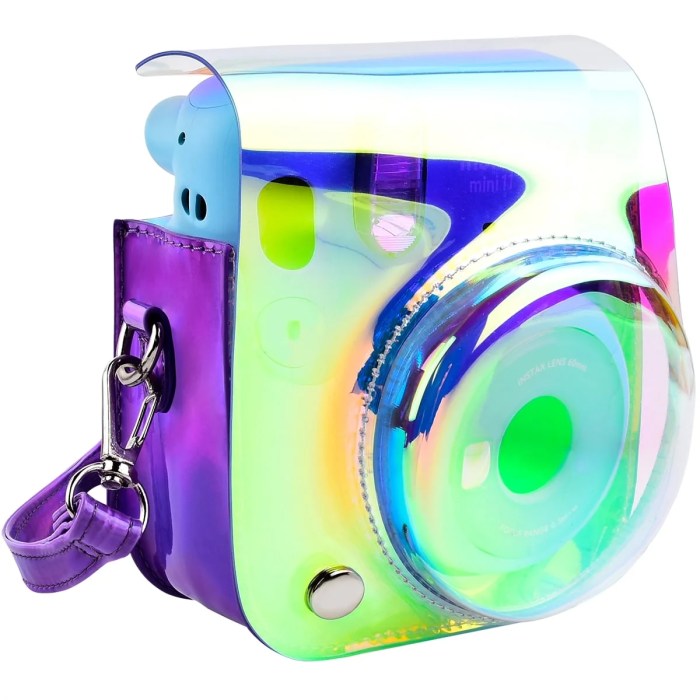
Camera case 35 mm instant film – the perfect companion for preserving those precious moments captured on instant film. From rugged protection to stylish design, this guide delves into the world of cases, exploring different types, features, and considerations to ensure your camera and film are well-protected during adventures and everyday use. We’ll cover everything from materials and sizes to maintenance and customization options, helping you find the ideal case for your specific needs.
Choosing the right camera case is crucial for 35mm instant film cameras. These cameras, often delicate and packed with essential components, need protection from drops, bumps, and the elements. This comprehensive guide examines the various aspects of camera cases, ensuring you can confidently carry your camera and film wherever you go.
Overview of 35mm Instant Film Camera Cases
Protecting your precious 35mm instant film cameras is crucial for preserving their functionality and aesthetic appeal. These cameras, often treasured for their unique charm and nostalgic value, require careful handling. A well-chosen camera case can significantly enhance their longevity and safeguard them from potential damage.The range of 35mm instant film camera cases available caters to various needs and preferences, offering diverse materials, sizes, and designs.
This overview explores the different types of cases, their construction, and the importance of selecting a case that fits your specific camera model and usage.
Types of 35mm Instant Film Camera Cases
Different types of camera cases are designed to accommodate various needs and preferences. These range from simple, protective covers to more elaborate carrying solutions. Understanding the distinctions allows you to choose the ideal case for your camera.
- Soft Cases: These cases, often made from fabric or synthetic materials, provide a lightweight and flexible option for carrying the camera. They are usually more affordable and offer a good balance between protection and portability. Soft cases can be further categorized into pouches, bags, and sleeves. Pouches provide a simple way to carry the camera, while bags offer more space for accessories, and sleeves are designed to fit specific camera models.
- Hard Cases: These cases are constructed from rigid materials like hard plastic or molded polymers. They provide superior protection against impact and scratches, making them ideal for frequent handling or travel. Hard cases typically come in a variety of sizes and shapes, accommodating different camera models. Some hard cases include compartments for storing accessories or filters, adding convenience.
- Leather Cases: Leather cases, known for their durability and timeless appeal, offer a sophisticated and classic touch. They provide excellent protection while adding a touch of elegance to your camera. The type of leather (e.g., full-grain, top-grain) and its finish can influence the case’s appearance and durability. Leather cases are often a preferred choice for those seeking a premium feel and a longer lifespan for their camera.
Materials Used in Camera Cases
The material used in a camera case directly impacts its durability, protection, and aesthetic appeal. Different materials offer various strengths and weaknesses, and the selection depends on the intended use and the desired level of protection.
- Leather: Known for its durability and aesthetic appeal, leather cases provide a premium look and feel. They can be more expensive than plastic or fabric options. However, they offer exceptional protection and longevity. The quality of the leather significantly impacts the case’s overall value.
- Plastic: Plastic cases are lightweight and affordable. They provide a basic level of protection against scratches and minor impacts. The type of plastic used can affect the case’s rigidity and impact resistance. Many budget-friendly cases utilize hard plastic, while others use flexible plastic for easier handling.
- Fabric: Fabric cases are generally lightweight and affordable, offering a soft, flexible protection layer. They are typically made from nylon, canvas, or similar materials. Fabric cases are often preferred for their portability and versatility. However, they may not offer the same level of protection as hard cases against significant impacts.
Sizes and Shapes of Camera Cases
The size and shape of a camera case are crucial for ensuring a snug fit and easy access to the camera. A case that is too small will not provide adequate protection, while one that is too large will add unnecessary bulk and weight. Matching the case to the specific camera model is important.
- Compact Cases: Compact cases are designed to fit smaller 35mm instant film cameras. They are ideal for carrying the camera discreetly and conveniently. The size is often tailored to the camera’s dimensions.
- Medium Cases: Medium-sized cases are suitable for cameras with accessories or those that require more space for storage. They strike a balance between portability and accommodating extra items.
- Large Cases: Large cases are suitable for cameras that require more space, perhaps including larger accessories or a variety of instant film cameras. These cases are generally designed to accommodate larger camera models and additional accessories.
Importance of Case Protection for 35mm Instant Film Cameras
Proper case protection is essential for safeguarding your 35mm instant film cameras. The delicate mechanisms and lenses of these cameras are susceptible to damage from impacts, scratches, and dust.
- Preventing Damage: A well-chosen case protects the camera from accidental drops, bumps, and scratches, which can lead to costly repairs or complete damage. Choosing the right case ensures that the camera remains in excellent condition for many years.
- Maintaining Functionality: Protecting the camera’s internal components ensures that the camera continues to function correctly, enabling you to capture high-quality images. This is vital for maintaining the quality of the photographs.
- Preserving Value: Investing in a suitable case protects the camera’s aesthetic appeal and resale value. This is particularly important for vintage or collectible cameras.
Case Features and Functionality
Choosing the right camera case for your 35mm instant film camera is crucial for protecting your investment and ensuring easy transport. Beyond basic protection, a well-designed case enhances your shooting experience by optimizing accessibility and portability. Different cases cater to varying needs, from the casual weekend photographer to the seasoned professional. This section delves into the key features that set these cases apart.Understanding the diverse features and functionalities of 35mm instant film camera cases is vital for selecting the best option.
A well-chosen case enhances usability and portability, making your photographic adventures smoother and more enjoyable. This section will explore the key components, from compartments to carrying handles, and discuss how these features improve the overall experience.
Looking for a rugged camera case for my 35mm instant film? I’ve been eyeing some sweet deals lately, and checking out hey dude cyber monday deal amazon for some cool accessories. Hopefully, there’s a killer deal on a camera case there! Either way, I’m still on the hunt for the perfect protective case for my film camera.
Compartments and Organization
Proper organization is paramount for 35mm instant film cameras. Cases with dedicated compartments for the camera body, lenses, and accessories ensure that everything is readily available during a shoot. Some cases feature padded dividers or slots to prevent items from shifting or scratching each other. This thoughtful design improves the camera’s safety and reduces the risk of damage during transit.
Straps and Handles
The presence of comfortable straps and carrying handles significantly impacts portability. Adjustable straps allow for customized carrying solutions, whether it’s worn across the shoulder or slung over the arm. Strong, reinforced handles provide a secure grip and enable easy transportation, especially when carrying multiple accessories. This aspect enhances ease of movement and reduces strain on the user.
Securing the Camera
Different methods are employed to secure the camera within the case. Velcro closures, zippers, or snap closures are common choices. Their effectiveness varies, with zippers generally offering the tightest seal and most security. Additionally, some cases incorporate internal straps or dividers to further hold the camera in place. This careful consideration prevents accidental shifts and keeps the equipment safe from impact.
Comparative Analysis of Case Features
| Feature | Water Resistance | Shock Absorption | Portability | Organization |
|---|---|---|---|---|
| Case A | Moderate | Good | Excellent (adjustable strap) | Excellent (multiple compartments) |
| Case B | High | Average | Good (shoulder strap) | Moderate (few compartments) |
| Case C | Low | Poor | Fair (only handle) | Poor (no dividers) |
This table provides a comparative overview of key features. Note that “Good” shock absorption, for example, implies a reasonable level of protection against impacts, whereas “Excellent” might suggest more extensive protection from various types of shock.
Case Design and Ergonomics
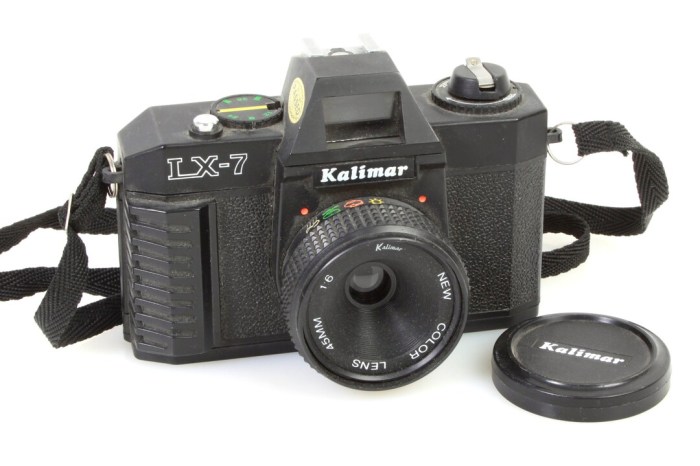
A well-designed camera case for a 35mm instant film camera is more than just a protective shell; it’s an extension of the photographer’s hand and eye. The ergonomics of the case directly impact the user’s comfort, handling, and ultimately, the overall photographic experience. A thoughtful design considers the weight distribution, grip points, and ease of access to the camera’s controls.Careful consideration of ergonomics ensures that handling the camera is enjoyable and intuitive, enabling the photographer to focus on capturing the moment rather than struggling with an uncomfortable or awkward case.
This is particularly crucial for instant film cameras, which often have a specific design that requires a secure and responsive case.
Ergonomic Principles in Camera Case Design
Case design for 35mm instant film cameras frequently employs principles of biomechanics and human factors engineering. These include the optimization of weight distribution for balanced handling, strategic placement of grip zones for a secure hold, and consideration for the angle and positioning of the camera for ease of operation. This results in a case that feels natural and intuitive in the photographer’s hand.
Impact of Case Design on User Comfort and Handling
The design of the camera case directly influences the user’s comfort and handling. A poorly designed case can lead to fatigue, discomfort, and difficulty in operating the camera, hindering the photographic process. Conversely, a well-designed case promotes a smooth and natural interaction with the camera, enhancing the user experience. This can involve a variety of elements, including the material, the shape, and the placement of accessories.
Different Case Designs and Their Impacts
- Molded Cases: Molded cases, often made of hard plastic or rubber, provide a strong and durable protective shell. The form follows the camera’s contours, offering a snug fit and sometimes incorporating molded-in grip zones. Their advantages lie in their robustness and ability to conform to the camera’s shape. However, they can sometimes lack flexibility, potentially making the camera less accessible or comfortable to handle, particularly if the case is too stiff.
An example of this design would be a hard-shell case for a Polaroid SX-70, which provides robust protection but might not offer the same level of adjustability as a soft-shell option.
- Soft-Shell Cases: Soft-shell cases, often made of neoprene or similar flexible materials, offer a more comfortable and potentially more adjustable fit around the camera. They are often more accommodating to different camera shapes and sizes. Their flexibility also allows for more options for integrating accessories. However, the flexibility might not provide the same level of protection as a molded case, and the fit might not be as precise, potentially leading to some slippage.
- Hybrid Cases: Hybrid cases combine features of both molded and soft-shell designs. They might have a hard shell to protect the camera body, but with soft inner lining or flexible parts for enhanced grip and comfort. These cases offer a balance of protection and ergonomics. For instance, a hybrid case for a vintage Holga camera might have a hard shell around the body and a soft-touch material for the grip areas.
How Case Design Affects Overall User Experience
A well-designed camera case contributes to a more positive and engaging photographic experience. By minimizing fatigue and maximizing ease of use, the case empowers the photographer to concentrate on composition and capturing the moment. Conversely, an ill-designed case can distract from the photographic process, adding unnecessary physical discomfort and impeding the creative flow. The case is essentially an extension of the photographer’s hand and senses, making a well-designed case an integral part of the overall photographic experience.
A good example is a camera case for a Lomo LC-A+ that is specifically designed to enhance the ergonomics and ease of use for the camera’s unique design.
| Case Design | Advantages | Disadvantages |
|---|---|---|
| Molded | Robust protection, snug fit, often incorporates grip zones | Limited flexibility, potentially less comfortable, may not accommodate all accessories |
| Soft-Shell | Comfortable, flexible fit, often accommodates accessories | May not offer the same level of protection, potential for slippage |
| Hybrid | Balanced protection and comfort, often integrates grip zones, can offer better fit than molded | May be more expensive, may not offer the same level of customization as soft-shell |
Comparison of Different Camera Cases
Choosing the right camera case for your 35mm instant film camera is crucial for protecting your investment and ensuring smooth operation. A well-fitting case can safeguard your camera from bumps, scratches, and the elements, while a poorly designed one can lead to costly damage. This section delves into the key factors to consider when comparing different cases, focusing on quality, durability, and price.Different materials, designs, and features influence the effectiveness and suitability of a camera case.
Understanding these nuances allows photographers to make informed decisions and find the perfect fit for their needs and budget. Consider the level of protection required, the desired portability, and the specific features of your camera model when making your selection.
Quality Considerations
The quality of a camera case directly impacts its durability and longevity. High-quality cases are typically constructed from robust materials like reinforced nylon or genuine leather, offering superior protection against impact and wear. These materials are often more resistant to tearing and cracking compared to less durable alternatives. Lower-quality cases may use thinner, less substantial materials, which could lead to damage over time.
Durability Evaluation
Durability is a key factor in selecting a camera case. Consider the intended use of the case – daily use, occasional outings, or archival storage. A case designed for everyday use should be more durable than one intended for infrequent use. Look for reinforced stitching, strong zippers, and secure closures to ensure the case will withstand the rigors of regular use.
My trusty camera case, packed with 35mm instant film, is always ready for a photo adventure. While I’m eagerly awaiting the new Kia Niro EV production form reveal, showcasing an ambitious range of electric crossovers, I can’t help but think how the crisp, chemical-infused images captured with this vintage gear perfectly complement the sleek lines of modern electric vehicles like the one detailed in kia niro ev production form reveal ambitious range electric crossover.
Hopefully, the new car will inspire some exciting candid shots when I finally get around to using my film camera again.
High-quality zippers are less prone to snagging and jamming, contributing to the overall durability.
Price Analysis
The price of a camera case varies considerably depending on the materials used, the level of protection offered, and the brand reputation. Budget-friendly cases may be suitable for occasional use, while high-end cases often provide superior protection and features. Consider the long-term value proposition when assessing the price. A more expensive case might have a longer lifespan, outweighing the initial cost.
Case Type Comparison
Different types of camera cases cater to various needs and preferences. Understanding the strengths and weaknesses of each type helps in selecting the most appropriate option.
| Case Type | Pros | Cons |
|---|---|---|
| Soft, padded cases | Lightweight, flexible, often affordable, easy to carry | Limited protection against impact, may not be suitable for rugged use |
| Hard shell cases | Excellent impact protection, rigid structure, often provides space for accessories | Bulkier, heavier, may not offer as much flexibility |
| Combination cases (soft interior/hard exterior) | Balance of protection and portability, often combines the benefits of both soft and hard cases | May be more expensive than soft cases, sometimes bulkier than soft cases alone |
| Custom-made cases | Tailored to specific camera model, potentially maximizing protection and fitting | Higher price, potentially longer waiting time |
Matching Case to Camera Model
A crucial consideration is selecting a case that perfectly complements your specific camera model. A case that’s too large or too small can compromise functionality and protection. Measure your camera’s dimensions to ensure a proper fit. This ensures that the case provides adequate space for all camera components without compromising accessibility. Look for cases with interior compartments and dividers designed to securely hold your camera and accessories.
Case Maintenance and Care
Keeping your 35mm instant film camera case in pristine condition is crucial for both its longevity and the protection of your precious camera. Proper care extends the life of the case, ensuring it continues to serve its purpose reliably. Regular maintenance also helps prevent premature wear and tear, keeping your investment in top shape.A well-maintained camera case not only safeguards your equipment but also reflects your appreciation for quality craftsmanship.
By understanding the materials and construction of your case, you can implement the right cleaning and care methods. This knowledge empowers you to address any potential issues proactively, preserving your camera and the memories it captures.
Cleaning Procedures
Proper cleaning methods are essential to maintain the integrity and aesthetic appeal of your camera case. Different materials require different approaches to avoid damage.
- Leather Cases: Use a soft, lint-free cloth dampened with a mild, pH-neutral soap solution. Wipe gently in the direction of the grain. Avoid excessive moisture. Allow the case to air dry completely before storing.
- Plastic Cases: Mild soap and water solution is usually sufficient. Avoid abrasive cleaners or harsh chemicals, as they can scratch the surface. Thoroughly rinse and dry the case with a soft cloth.
- Fabric-Lined Cases: Spot clean with a damp cloth and mild soap. Ensure the cloth is not too wet to avoid damage to the lining. Allow the case to air dry completely. Avoid machine washing, as this can distort the shape of the case and damage the lining.
Protecting Against Damage
Protecting your camera case from damage is paramount to its long-term usability. Various preventative measures can be taken to safeguard the case from scratches, impacts, and other potential hazards.
- Storage: Store your case in a cool, dry place away from direct sunlight and extreme temperatures. Avoid placing heavy objects on top of the case, as this can cause deformation.
- Handling: Handle the case with care, avoiding unnecessary bumps or drops. Consider using a carrying strap or handle when transporting it to prevent accidental damage.
- Environmental Factors: Protect the case from moisture, dust, and other environmental contaminants. If exposed to rain or moisture, dry the case thoroughly before storing it.
Regular Maintenance Schedule
A regular maintenance schedule is vital for maintaining the quality and performance of your camera case. Regular inspections and cleaning help to identify and address potential issues early on.
- Weekly Inspection: Check the case for any signs of wear and tear, such as scratches, dents, or loose stitching. Inspect the zippers, buckles, and other closures for proper function.
- Monthly Cleaning: Perform a thorough cleaning of the case, including the interior and exterior. Pay close attention to areas prone to accumulating dirt or debris.
- Quarterly Inspection: Assess the structural integrity of the case, looking for signs of stress or damage. Ensure all closures are working properly. This proactive approach can help prevent more significant problems down the line.
Identifying and Addressing Potential Issues
Promptly identifying and addressing potential issues with your camera case can prevent further damage and extend its lifespan. Be aware of the common problems and how to address them.
- Zipper Issues: If a zipper is sticking or breaking, lubricate the teeth with a zipper lubricant or replace the zipper if necessary. This ensures smooth operation.
- Stitching Problems: If stitches are coming loose, consider professional repair or reinforce the affected area with strong thread. This prevents further damage.
- Material Degradation: If the material of the case shows signs of deterioration, like cracking or discoloration, consider replacing the case or seeking professional repair options. This can prevent the case from failing in critical moments.
Case Customization Options
Beyond the essential features of protection and functionality, camera cases for 35mm instant film cameras offer exciting avenues for personalization. Customizing your case allows you to express your unique style and create a truly personalized companion for your cherished camera. This is especially important for collectors or individuals who want to stand out from the crowd.Personalization options extend beyond simply choosing a color or material.
You can transform a basic case into a statement piece, reflecting your passion for photography and personal aesthetic. From subtle accents to bold designs, the possibilities are limitless.
Adding Logos and Graphics
Custom logos and graphics can elevate a camera case from ordinary to extraordinary. This could be a company logo, a personal monogram, or a favorite design. Manufacturers often offer options for custom-printed cases, allowing users to upload their own designs. Alternatively, some companies might partner with artists to offer exclusive designs, or even allow for simple decal application on a case with a smooth surface.
The level of customization varies, but the result is a uniquely identifiable camera case.
Applying Patterns and Textures
Beyond logos, patterns and textures add visual interest and create a distinctive aesthetic. Geometric patterns, floral motifs, or even a subtle camouflage pattern can transform a simple case into a work of art. Some cases might feature unique materials like leather or wood that lend themselves to specific patterns and textures. These patterns could be subtly woven into the material or more prominently displayed through contrasting colors or designs.
Adding Names and Initials
Personalizing a camera case with names or initials provides a sentimental touch. This is ideal for a treasured camera or a gift for a photographer friend. This customization can range from simple, elegant script to bold, stylized lettering. The application method may involve laser etching, decal placement, or even custom embroidery. Such personalized details can make a camera case truly unique and meaningful.
Matching the Case to Style
The customization of a camera case can seamlessly align with a user’s overall style. A minimalist might opt for a simple, unadorned case in neutral colors. A more vibrant individual could choose a case featuring bold patterns or colors. The possibilities are extensive, ranging from classic, timeless designs to cutting-edge, modern aesthetics. The choice of customization directly reflects the photographer’s unique personality and style.
Case Compatibility and Camera Models
Finding the perfect camera case requires understanding how different camera models interact with various case designs. A well-fitting case ensures your precious instant camera is protected from bumps and scratches while allowing easy access and operation. This section delves into the crucial aspect of case compatibility, focusing on the factors influencing fit and the importance of accurate measurements.Compatibility depends on several key factors.
These factors include the camera’s overall dimensions (length, width, height), the shape of the camera body, and the presence of specific features like integrated flash units or accessory mounts. Understanding these aspects is vital for selecting a case that offers a snug, secure fit.
Camera Dimensions and Shape
Accurate measurements are essential for selecting a compatible case. Cameras of similar models might vary slightly in size due to manufacturing tolerances. Cases that fit one model may not fit another, even if they appear similar in size. Differences in shape, like a protruding lens or a distinct body profile, can significantly impact fit.
Case Features Affecting Compatibility
The design and features of the case itself impact compatibility. Cases with internal dividers or compartments are designed to hold specific camera sizes and configurations. Cases with external pockets or straps are suitable for carrying accessories or extra items. The type of closure, whether it’s a snap, Velcro, or zipper, should align with the ease of access you desire and the protection level you require.

Compatibility Table, Camera case 35 mm instant film
A case that is too large will offer inadequate protection, and one that is too small will fail to provide enough support. It is critical to check measurements and case features for the best possible fit. The table below Artikels compatibility based on common 35mm instant film camera models, with examples of case types.
| Camera Model | Approximate Dimensions (LxWxH in mm) | Recommended Case Type | Compatibility Notes |
|---|---|---|---|
| Polaroid SX-70 | 100x80x50 | Compact, Slim Profile | Cases with internal padding and secure closure recommended. |
| Fujifilm Instax Mini 9 | 95x65x45 | Compact, Snap-On | Consider cases with integrated straps for carrying ease. |
| Lomo Instax | 105x70x55 | Mid-Sized, Adjustable | Cases with adjustable straps and compartments for accessories. |
| Kodak Instax Mini 11 | 90x60x40 | Compact, Snap-On | Check for cases with clear visibility for quick access. |
Importance of Accurate Measurements
Choosing the right case involves more than just eyeballing the size. Direct measurement of your camera is critical for a perfect fit. Using a ruler or caliper, measure the camera’s length, width, and height. Compare these measurements with the case’s specifications to ensure compatibility. Cases often provide dimensions in their descriptions.
Selecting the Correct Case
When choosing a case, consider the intended use. For everyday carry, a compact, lightweight case might suffice. For travel or storage, a more robust case offering enhanced protection might be preferred. The chosen case should also be comfortable to carry, and its material should offer adequate protection from scratches and drops. Furthermore, consider features such as pockets for extra accessories, and the ease of access to the camera itself.
Thorough research and comparing case features are essential for selecting the ideal case.
Case Material Analysis
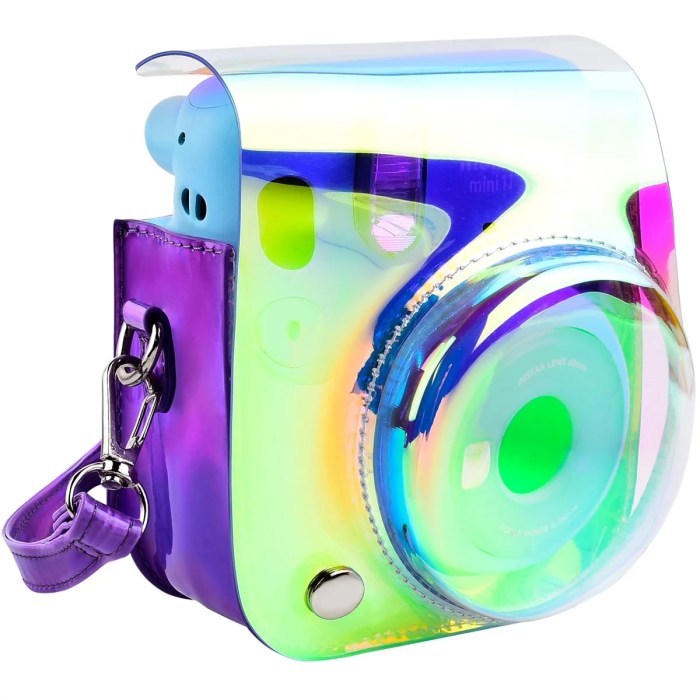
Choosing the right material for a 35mm instant film camera case is crucial for both protection and user experience. Different materials offer varying degrees of durability, water resistance, and weight, impacting the overall usability and longevity of the case. This section delves into the properties of common materials, comparing their performance and highlighting their suitability for different environments.Understanding the strengths and weaknesses of various materials allows users to select a case that best meets their needs and usage scenarios.
A robust, water-resistant case might be essential for outdoor photographers, while a lightweight, compact case might be preferred for everyday carry.
Durability Analysis of Case Materials
Material durability is a key consideration when selecting a camera case. The case must withstand daily wear and tear, potential drops, and other impacts without compromising its structural integrity. Different materials exhibit varying degrees of resilience.
- Leather: Known for its robustness and timeless aesthetic, leather cases often offer excellent protection against minor impacts. However, prolonged exposure to water or moisture can lead to damage, and it can be heavier than other options.
- Polycarbonate: Polycarbonate is highly durable and resistant to scratches and impacts. It is also lightweight, making it a popular choice for many camera cases. Its resilience against drops and impacts makes it a good option for outdoor photography, where the camera may be subjected to more rigorous handling.
- Nylon: Nylon cases provide a balance of durability and lightweight construction. They are resistant to abrasion and minor impacts, making them a good choice for everyday use. The material’s flexibility is an added benefit, as it can provide some shock absorption.
- Aluminum: Aluminum is exceptionally durable and resistant to dents and scratches. Its strength makes it a popular choice for high-impact environments, such as professional photography. However, it can be relatively heavy compared to other options.
Water Resistance Comparison of Case Materials
Water resistance is essential for protecting the camera and film from moisture damage, particularly for outdoor photography. Different materials react differently to water exposure.
- Silicone: Silicone cases are renowned for their excellent water resistance. They can withstand splashes and even brief submersions in water, making them ideal for photographers working in wet conditions.
- Rubber: Rubber cases also offer a degree of water resistance, but the level of protection may vary depending on the specific type of rubber used. They are often more flexible and pliable than other materials, providing a good balance of protection and comfort.
- Waterproof/Water-resistant Coatings: Some cases incorporate waterproof coatings on other materials like polycarbonate or nylon. These coatings provide an additional layer of protection against water damage.
Weight Considerations for Camera Cases
The weight of a camera case is an important factor, especially for extended use. A heavy case can become cumbersome, while an overly light case might not offer adequate protection.
- Lightweight Materials: Materials like polycarbonate and nylon tend to be lighter than heavier materials like leather or aluminum, making them more comfortable for extended use.
- Balancing Protection and Weight: It is crucial to strike a balance between the weight of the case and its protective capabilities. A lightweight case might not offer the same level of impact resistance as a heavier case.
Suitability for Specific Environments
The suitability of a camera case material depends heavily on the environment in which the camera will be used.
| Environment | Suitable Material | Reasoning |
|---|---|---|
| Outdoor photography (hiking, beach) | Polycarbonate, Silicone, Waterproof Nylon | Durability, water resistance, and lightweight properties are key. |
| Everyday carry | Nylon, Polycarbonate | Balance of protection, lightweight, and everyday usability. |
| Professional photography (high-impact situations) | Aluminum, Polycarbonate | Durability and resilience are paramount. |
Case Styles and Trends: Camera Case 35 Mm Instant Film
Instant film camera cases are evolving beyond simple protection. Designers are increasingly incorporating aesthetics and functionality into their creations, reflecting the growing popularity of these cameras and the desire for stylish accessories. The trends mirror the broader interest in vintage and analog photography, emphasizing both practicality and a touch of retro charm.The current landscape of camera cases for 35mm instant film cameras is marked by a confluence of styles, from minimalist designs to bold, patterned options.
This reflects a wider trend in consumer preferences, favoring personalization and expression through accessories. The desire for cases that complement the camera’s aesthetic, as well as protect it, is driving innovation.
Current Trends in Case Design
Contemporary designs often feature a blend of practicality and visual appeal. Durable materials like leather, canvas, and recycled plastics are popular choices, reflecting a growing consciousness of sustainability. The use of contrasting colors and textured surfaces is also common, adding a unique visual element to the case.
Popular Styles and Patterns
A variety of styles are gaining traction. Minimalist designs, featuring clean lines and muted colors, are sought after by those who prefer a streamlined aesthetic. Conversely, cases with bold patterns and vibrant colors are attracting users who wish to showcase their personality through their camera gear.
- Minimalist Styles: These cases prioritize clean lines and understated designs, often employing a single color or a subtle pattern. They emphasize the camera’s inherent aesthetic, making it a focal point. Examples include sleek black leather cases or minimalist canvas cases with a single, muted graphic.
- Vintage-Inspired Designs: Many cases draw inspiration from classic camera cases of the past. This might include incorporating vintage-style stitching, embossed logos, or the use of materials like faux leather in warm brown tones. These designs evoke a sense of nostalgia and connect with the vintage appeal of instant film photography.
- Patterned Cases: Geometric patterns, floral prints, or even abstract designs are increasingly popular. These cases allow users to express their individuality and make their camera cases a statement piece. The use of contrasting colors within the pattern is common.
Innovative Case Designs
Beyond established styles, innovative case designs are emerging. Some cases incorporate integrated features, such as built-in straps or pouches for extra accessories like film or cleaning cloths. Other designs utilize unique materials, such as recycled fabrics or wood, reflecting a growing emphasis on sustainability and eco-consciousness. Examples include cases with foldable stands, enabling easy setup for shooting.
My new camera case for 35mm instant film is fantastic! It’s so sleek and protective, perfect for keeping my precious shots safe. But lately, I’ve been wondering about the reliability of AI-generated content, especially given the recent “what the AI quack” phenomenon. This article really highlights the complexities of AI and its potential for misrepresentation, making me think twice about trusting everything I see.
Regardless, I’m still eager to capture more memories with my new 35mm instant film camera case!
- Integrated Features: Cases with built-in straps, dedicated pouches for film or cleaning supplies, and even built-in stands are becoming more common. These designs enhance functionality without compromising style.
- Sustainable Materials: The use of recycled plastics, organic cotton, or reclaimed wood in camera cases is growing. This trend aligns with the increasing demand for eco-friendly products.
- Modular Design: Some innovative cases feature interchangeable components, allowing users to customize the case’s appearance and functionality. This is particularly appealing to photographers who desire flexibility in their accessories.
Factors Influencing Trends
Several factors influence the trends in camera case design. The growing popularity of instant film photography is driving demand for stylish and functional cases. Sustainability concerns are also playing a significant role, with consumers increasingly seeking eco-friendly options. The desire for personalization and self-expression is evident in the variety of patterns and styles available. Lastly, the desire for enhanced functionality, such as integrated storage and ergonomic features, is driving further innovation.
Case Price and Value
The price of a 35mm instant film camera case varies significantly, influenced by a multitude of factors. Understanding these factors, and the relationship between price and quality, helps in making informed purchasing decisions. Ultimately, the value proposition of a case depends on your individual needs and priorities for protection, portability, and style.
Pricing Range for 35mm Instant Film Camera Cases
Prices for 35mm instant film camera cases span a wide range, generally falling between $20 and $200. Budget-friendly options are available for those prioritizing basic protection, while high-end cases offer premium features and materials.
Factors Influencing Case Price
Several factors contribute to the price disparity of 35mm instant film camera cases. Material selection, construction quality, added features, brand reputation, and design complexity all play a role.
- Material Quality: Cases made from durable, weather-resistant materials like high-grade leather, reinforced nylon, or ballistic nylon tend to command higher prices. These materials offer better protection and longevity compared to less expensive options.
- Construction Quality: Solid stitching, reinforced seams, and sturdy closures are indicative of higher-quality construction. These features not only improve the case’s lifespan but also contribute to its overall price.
- Added Features: Cases with additional features, such as adjustable straps, internal compartments for accessories, or integrated cleaning tools, are usually priced higher than simpler models.
- Brand Reputation: Established brands often charge more for their cases, often due to their reputation for quality, reliability, and design. However, this premium may not always correlate directly with superior performance.
- Design Complexity: Cases with unique designs, intricate patterns, or bespoke aesthetic touches usually come with a higher price tag compared to simple, functional models.
Relationship Between Price and Quality
A clear relationship exists between price and quality for 35mm instant film camera cases. Generally, higher-priced cases offer superior protection, durability, and functionality compared to budget-friendly alternatives. However, this correlation is not always absolute, and sometimes a mid-range case may offer a good balance of features and value for the price.
“Value isn’t always directly proportional to price; a carefully considered assessment of features, materials, and expected use can reveal a more valuable option at various price points.”
Evaluating the Value Proposition of Different Cases
To evaluate the value proposition of a case, consider the following criteria:
- Protection Needs: Assess the level of protection required based on your usage. A rugged case might be more suitable for outdoor enthusiasts, while a lightweight, slim case might suffice for everyday use.
- Portability: Consider the case’s size and weight, and how it will impact portability. A compact case may be ideal for travel, whereas a larger case might accommodate more accessories.
- Durability: Examine the case’s construction and materials. A case with reinforced seams and high-quality zippers is likely to last longer.
- Features: Evaluate the case’s included features. Consider whether the additional features are essential to your needs or are merely extras.
- Price-to-Quality Ratio: Compare the price of the case to its features, materials, and expected lifespan. A case with a high price tag must offer significant advantages in quality and functionality to justify its cost.
Outcome Summary
In conclusion, finding the perfect camera case for your 35mm instant film camera is a crucial step in preserving your precious memories. We’ve explored the essential factors to consider, from materials and features to compatibility and customization. By carefully evaluating these aspects, you can choose a case that provides the optimal balance of protection, usability, and style. Remember, the right case will safeguard your investment and ensure your instant film adventures are always memorable, not marred by damage.