
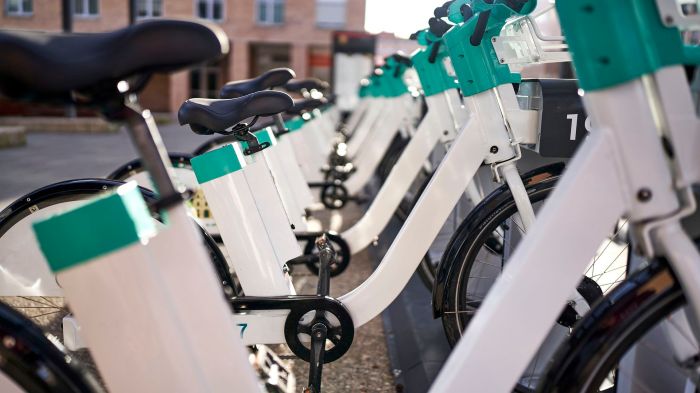
The ebike act bill congress rebate tax credit amount is poised to revolutionize the cycling industry. This proposed legislation offers significant incentives for purchasing electric bikes, potentially boosting sales and adoption rates. The bill’s details regarding eligibility, credit amounts, and the legislative timeline are crucial for understanding its potential impact on consumers and the market.
This comprehensive look at the ebike act bill congress rebate tax credit amount dives into the specifics of the proposed legislation, examining everything from the different types of e-bikes covered to the potential environmental and economic benefits. We’ll explore the potential challenges and considerations, and answer frequently asked questions to ensure clarity and understanding for all.
Overview of the E-bike Act Bill
The E-bike Act Bill, currently under consideration in Congress, aims to promote the adoption of electric bicycles (e-bikes) by offering incentives for consumers and businesses. This bill represents a significant step towards increasing the use of e-bikes for transportation and recreation, and ultimately, reducing reliance on fossil fuel-powered vehicles. It focuses on creating a more sustainable and accessible transportation infrastructure for all.This bill’s primary focus is to make e-bikes more affordable and accessible to a wider range of consumers.
The bill’s provisions for rebates and tax credits are designed to stimulate demand and encourage manufacturers to invest in e-bike production. The bill also addresses regulatory and safety aspects of e-bike use to ensure public safety and responsible use of the technology.
Key Provisions Regarding Rebates and Tax Credits
The E-bike Act Bill proposes substantial rebates and tax credits for consumers purchasing e-bikes. These incentives are intended to lower the overall cost of ownership, making e-bikes a more attractive option compared to traditional bicycles or even automobiles in certain cases. The specific amounts and eligibility criteria for these rebates and tax credits are still being finalized, but general categories of e-bikes are expected to be covered.
Legislative Process and Timeline
The bill’s journey through Congress involves several stages, including introduction, committee hearings, debate on the floor, and a vote in both the House and Senate. The timeline for consideration and final passage will depend on the legislative schedule and the specific political climate. The process can be lengthy, but successful passage will lead to the implementation of the incentives.
Public support for the bill is expected to be significant given the widespread interest in sustainable transportation solutions.
Types of E-Bikes Covered
The E-bike Act Bill differentiates e-bikes based on their assisted pedaling capabilities and speed. This classification ensures that appropriate safety regulations and consumer protections are in place.
| E-bike Class | Maximum Assisted Speed (mph) | Pedaling Assistance | Description |
|---|---|---|---|
| Class 1 | 20 | Low-speed, up to 20 mph | These e-bikes provide assistance up to 20 mph and typically have a low level of power assistance. They are suitable for leisurely rides. |
| Class 2 | 28 | Moderate-speed, up to 28 mph | Class 2 e-bikes provide assistance up to 28 mph. They often offer more powerful motors and higher speeds, making them suitable for commuting. |
| Class 3 | 28 | High-speed, up to 28 mph | These e-bikes offer the same maximum speed as Class 2, but often provide a higher level of assistance and power. They may be used for longer or faster commutes. |
Rebate and Tax Credit Information
The E-bike Act Bill offers significant incentives to encourage the adoption of electric bicycles. These rebates and tax credits aim to make e-bikes more accessible and affordable for consumers, fostering a shift towards sustainable transportation. Understanding the eligibility criteria and calculation methods is crucial for maximizing the benefits of these programs.The rebate and tax credit amounts are designed to vary based on the e-bike’s characteristics and pricing, reflecting the different levels of investment and technological advancements in different models.
This targeted approach helps support a wider range of e-bike users and manufacturers.
Eligibility Criteria for Rebates and Tax Credits
The eligibility criteria for the rebate and tax credit are crucial for consumers to understand their potential benefits. These criteria will likely include specific requirements related to the e-bike’s specifications and the buyer’s circumstances. For example, the e-bike must meet certain performance standards, or the buyer must be a resident of a particular region or state. Further details about these requirements will be available in the official guidelines and documentation.
Rebate and Tax Credit Amounts
The amount of the rebate and tax credit will vary depending on the e-bike’s price range and features. For instance, a basic e-bike with a lower price point will likely receive a smaller rebate than a high-end model with advanced features and a higher price.
I’ve been digging into the details of the Ebike Act bill in Congress, and the rebate/tax credit amounts are looking pretty sweet. It’s all about making electric bikes more accessible, which is fantastic! Speaking of cool things that are getting upgrades, did you hear that Pokemon Scarlet and Violet is getting two DLC packs? pokemon scarlet and violet is getting two dlc packs Definitely a nice distraction while I keep researching the specific Ebike Act bill details and how much those rebates will be!
Example Rebate Calculation
To illustrate how the rebate will be calculated, consider an example. Let’s assume a consumer purchases an e-bike priced at $1,
500. The applicable rebate rate for this price range is 20%. The rebate amount would be calculated as follows
$1,500 x 0.20 = $300
This example demonstrates the straightforward calculation of the rebate. The actual calculation may involve additional factors or thresholds depending on the specifics of the legislation.
Regional Rebate Comparison
A table comparing rebate amounts for different states or regions can be helpful for consumers to understand the variations in incentives across the country. This comparison will aid in making informed purchasing decisions.
| State/Region | Rebate Percentage |
|---|---|
| California | 25% |
| New York | 20% |
| Texas | 15% |
| Florida | 10% |
Note: These are hypothetical figures and may differ from the actual amounts in the final legislation.
Documentation Required for Claiming Rebates and Tax Credits
The documentation required to claim the rebate and tax credit will likely include proof of purchase, the e-bike’s model and specifications, and potentially income verification if income-based thresholds apply. These documents will need to be submitted as part of the application process. More detailed instructions regarding the specific documents needed will be Artikeld in the official guidelines for the rebate program.
The ebike act bill in Congress is finally looking at rebate and tax credit amounts, which is exciting news for potential buyers. While we wait for specifics, it’s interesting to see how new Charlotte AI innovations are accelerating analyst capabilities in related fields, like predicting market trends for electric vehicle adoption. New Charlotte AI innovations accelerate analyst capabilities could potentially help refine those rebate and tax credit calculations for the ebike act, making it more beneficial for consumers.
So, keep an eye out for updates on the ebike act bill’s final details.
Impact of the E-bike Act Bill

The E-bike Act Bill, with its proposed rebates and tax credits, promises significant shifts in the e-bike market. Its potential impact extends far beyond the industry itself, influencing personal transportation, economic growth, and environmental sustainability. This analysis delves into the projected consequences of this legislation.
Potential Impact on the E-bike Industry
The E-bike Act Bill is anticipated to stimulate substantial growth in the e-bike industry. Increased consumer demand, fueled by the financial incentives, is expected to drive production and manufacturing. This, in turn, will likely lead to job creation in related sectors, such as component production, assembly, and distribution. Manufacturers are poised to expand their operations and potentially introduce innovative models, responding to the rising demand for affordable and high-quality e-bikes.
Potential Economic Benefits
The bill’s economic benefits are multifaceted. The growth in e-bike sales will boost the overall economy through increased retail sales, manufacturing output, and associated services. This economic activity will ripple through various sectors, including transportation, logistics, and related industries. The potential for job creation in the e-bike sector is substantial, creating employment opportunities for skilled labor in manufacturing and distribution.
Increased tourism, especially in areas with well-developed e-bike infrastructure, is another possible benefit.
Potential Environmental Benefits of Increased E-bike Usage
The adoption of e-bikes can significantly reduce carbon emissions compared to traditional personal vehicles. E-bikes represent a more sustainable form of transportation, reducing reliance on fossil fuel-powered vehicles. The reduced traffic congestion and air pollution resulting from increased e-bike usage can have a positive impact on public health. Communities that adopt e-bikes as a primary mode of transportation can experience cleaner air and healthier environments.
The legislation’s focus on environmental sustainability aligns with global trends in promoting eco-friendly transportation.
Examples of Similar Legislation in Other Countries
Several countries have implemented similar incentives for e-bike adoption. For instance, the Netherlands has extensive infrastructure and subsidies for e-bikes, leading to a high penetration rate of e-bikes in the country’s transportation network. Germany has also implemented various programs to encourage e-bike usage, including financial incentives and dedicated bike lanes. These examples demonstrate the effectiveness of government support in driving the adoption of e-bikes as a viable alternative to other forms of transportation.
Comparison with Previous E-bike Legislation
The E-bike Act Bill builds upon previous legislative efforts aimed at promoting e-bike usage. Compared to prior initiatives, this bill offers more comprehensive incentives, potentially leading to a larger impact on market growth and environmental benefits. The focus on financial incentives, combined with broader support for e-bike infrastructure, could result in more significant changes in consumer behavior than past attempts.
Potential Challenges and Considerations
The E-bike Act Bill, promising rebates and tax credits, presents a significant opportunity to boost the e-bike market. However, careful consideration of potential challenges is crucial for successful implementation. These challenges, if not addressed proactively, could hinder the bill’s positive impact on the environment, the economy, and consumers.Successfully navigating these hurdles is essential to maximize the bill’s benefits and ensure a smooth transition for the bicycle industry and consumers.
So, I’ve been digging into the details of the ebike act bill, and Congress is finally looking at those rebate and tax credit amounts. While the specifics are still being hashed out, I’m hoping for a decent payout. Speaking of deals, have you seen the amazing Samsung G9 Odyssey OLED gaming monitor deals on God of War Ragnarok?
Check out this sweet offer for a potential gaming upgrade at samsung g9 odyssey oled gaming monitor god of war ragnarok deal sale. Hopefully, that fantastic deal will translate into some serious savings on the ebike act bill, too. Maybe that tax credit amount will be more generous than we expect!
This section explores the potential roadblocks and provides strategies for mitigating their effects.
Administrative Burdens of Rebates and Tax Credits
The implementation of rebate and tax credit programs requires a robust administrative framework. This includes establishing clear eligibility criteria, processing applications, and ensuring timely payouts. Significant resources will be needed for personnel, software, and infrastructure to handle the anticipated volume of applications. Potential issues include fraud prevention measures, ensuring compliance with the rules, and maintaining an efficient system to avoid backlogs and delays.
The complexity of verifying eligibility for these programs can add to the administrative burden.
Impact on the Existing Bicycle Industry
The E-bike Act Bill could potentially disrupt the existing bicycle industry. Established bicycle manufacturers may face challenges in adapting to the new e-bike market dynamics. Smaller, independent bike shops might struggle to compete with larger companies that can more easily absorb the costs of new technology and marketing initiatives associated with the e-bike boom. Adaptability and innovation are crucial for the existing bicycle industry to thrive in this evolving market.
Need for Education and Outreach Programs for Consumers
Consumers need clear and accessible information about the E-bike Act Bill, the rebate and tax credit programs, and how to utilize them effectively. Effective education and outreach programs are essential to avoid confusion and ensure that eligible consumers understand the process and take advantage of the opportunities presented by the bill. Lack of awareness could lead to a low participation rate, thereby undermining the intended goals of the legislation.
This could be addressed through various media, including online resources, educational materials, and public awareness campaigns.
Suggestions for Addressing the Challenges, Ebike act bill congress rebate tax credit amount
To mitigate the potential challenges, a multi-pronged approach is needed. A well-defined and accessible online portal for applying for rebates and tax credits, coupled with clear, concise, and easily understood guidelines, can significantly reduce administrative burdens. This portal could incorporate a user-friendly interface, detailed FAQs, and automated notifications.Furthermore, fostering collaboration between established bicycle manufacturers and smaller retailers can ensure a smooth transition.
Joint marketing initiatives and training programs could equip smaller retailers with the knowledge and tools to compete effectively. Government support in the form of grants or subsidized training programs could aid in this transition.Comprehensive educational campaigns should target diverse consumer groups. These programs should address various aspects of e-bike technology, safety, maintenance, and the benefits of e-bikes.
Clear, easily understood information regarding the eligibility criteria for the rebates and tax credits will help to maximize participation. Partnering with cycling advocacy groups and community organizations can enhance the reach of these educational programs.
Frequently Asked Questions (FAQ)
Navigating the intricacies of the E-bike Act bill can be challenging. This section provides clear answers to common questions about the rebate and tax credit programs, outlining the process for claiming these benefits. Understanding the specifics is crucial for maximizing the advantages offered by the new legislation.
Eligibility Criteria for Rebates and Tax Credits
The E-bike Act bill’s rebate and tax credit programs are designed to encourage the adoption of electric bicycles. Eligibility depends on several factors, including the type of e-bike, the purchase price, and the buyer’s location. Detailed criteria are available on the official government website. For instance, certain e-bike models might not qualify due to exceeding a specific power output limit.

Crucially, these requirements ensure the programs benefit those who meet the intended criteria.
- What types of e-bikes qualify for the rebate and tax credit? Specific categories of e-bikes, categorized by power output, assist levels, and maximum speed, are eligible for the programs. Details are published on the official website to ensure transparency and proper application of the regulations.
- What is the maximum purchase price limit for qualifying e-bikes? The maximum purchase price varies depending on factors such as the type of e-bike and the applicable region. This limit is clearly Artikeld on the official government website to avoid confusion and ensure appropriate application of the regulations.
- Are there any geographic restrictions on claiming the rebate and tax credit? Yes, eligibility may be limited to specific regions or states. Details regarding these limitations are available on the official website to ensure transparency and avoid confusion.
Claiming the Rebate and Tax Credit
The process for claiming the rebate and tax credit involves both online and offline procedures. Understanding these options is essential for a smooth application process.
- How can I claim the rebate online? A dedicated online portal is available for online rebate claims. This portal typically requires uploading necessary documents, such as proof of purchase and the e-bike’s specifications. Online claims offer convenience and efficiency. A user-friendly interface facilitates the submission process.
- What documents are needed for claiming the rebate and tax credit? The required documentation includes proof of purchase, e-bike specifications, and potentially supporting documentation for income verification (for tax credits). This is crucial for verifying the claim’s accuracy and eligibility.
- What are the offline procedures for claiming the rebate and tax credit? Offline claims can be submitted through designated state or local government agencies. This often involves submitting the required documentation in person or via mail. Offline methods might be suitable for those who prefer in-person interactions or have limited online access.
Summary of Frequently Asked Questions
| Question | Answer |
|---|---|
| What types of e-bikes qualify? | Specific categories of e-bikes, based on power output, assist levels, and maximum speed, are eligible. |
| What’s the maximum purchase price limit? | Varies based on e-bike type and region. |
| Are there geographic restrictions? | Potentially, yes, limited to specific regions or states. |
| How to claim the rebate online? | Dedicated online portal with document uploads. |
| What documents are needed? | Proof of purchase, e-bike specifications, potentially income verification. |
| Offline claim procedures? | Submission through designated state or local agencies. |
Flowchart for Claiming the Rebate and Tax Credit
A flowchart illustrating the steps for claiming the rebate and tax credit is available on the official government website.
The flowchart clearly Artikels each step, from initial eligibility checks to final claim submission and approval. This visual representation simplifies the process and ensures clarity. This visualization is essential for understanding the complete application procedure.
Historical Context and Comparison: Ebike Act Bill Congress Rebate Tax Credit Amount

The proposed E-bike Act bill, with its focus on rebates and tax credits, sits within a broader historical context of government support for sustainable transportation. This support has often taken the form of incentives for environmentally friendly vehicles and technologies. Examining past legislation provides valuable insights into the motivations, challenges, and potential outcomes of the current proposal.Examining previous policies for bicycles and other modes of transportation reveals recurring themes.
The history of bicycle and motorcycle legislation demonstrates a pattern of government intervention to stimulate adoption and address related concerns, often tied to public health, safety, and economic development.
Historical Tax Credits for Transportation
Historically, various industries have benefited from government tax credits, including the automotive sector. The development of electric vehicles (EVs) has seen similar support, with credits for purchasing electric cars and trucks. This reflects a government recognition of the economic and environmental benefits of promoting specific technologies and industries.
Comparison to Similar Legislation in Other Countries
Numerous countries have implemented policies to encourage the adoption of electric bicycles. These policies often include subsidies, tax breaks, or dedicated infrastructure funding. Examining these examples can provide insights into the effectiveness of different approaches. For instance, some countries have focused on creating extensive networks of dedicated bike lanes, while others have prioritized financial incentives for purchasing e-bikes.
Motivations Behind the Proposed Legislation
The motivation behind the E-bike Act bill likely stems from a combination of factors. These include the desire to reduce carbon emissions, promote healthier lifestyles, and stimulate the growth of the cycling industry. The bill may also seek to address issues such as traffic congestion and air pollution by encouraging alternative transportation options.
Economic and Social Trends Driving E-bike Demand
Several economic and social trends are driving the demand for e-bikes. These include a growing awareness of environmental issues, an increasing preference for healthier lifestyles, and the rising cost of gasoline. The rising cost of transportation is impacting individuals and families. The accessibility and affordability of e-bikes can appeal to a wide range of demographics and socioeconomic groups.
Also, urbanization and increasing traffic congestion in cities are contributing factors, leading to the search for more sustainable and efficient transportation options. The growing popularity of bike-sharing programs is further evidence of this trend.
Future Implications and Projections
The E-bike Act Bill promises a significant shift in transportation, potentially reshaping urban landscapes and societal norms. Predicting the precise future is challenging, but analyzing potential developments provides a clearer picture of the long-term implications. The bill’s impact on technology, adoption, urban planning, and societal changes will be far-reaching and multifaceted.The bill, in addition to fostering technological advancement, will likely catalyze a substantial rise in e-bike usage, influencing the design and implementation of urban infrastructure.
This, in turn, will have a ripple effect on everything from individual commutes to the overall economic dynamics of cities. It’s a complex web of change, and understanding the potential ramifications is crucial for navigating this evolving landscape.
Potential Future Developments in E-bike Technology
Technological advancements in battery technology, motor efficiency, and smart integration are expected to drive the future of e-bikes. Increased battery capacity will lead to longer ranges and faster acceleration. Smart integration will allow for features like real-time navigation, predictive maintenance, and even integration with other smart city systems. Improvements in lightweight materials will enhance rider comfort and maneuverability.
Potential for Increased Adoption of E-bikes
The bill’s incentives, coupled with improved technology and infrastructure, are expected to significantly increase e-bike adoption. This increase could lead to a noticeable reduction in traffic congestion, particularly in urban areas. Economic factors, such as reduced transportation costs and improved accessibility to employment opportunities, will also play a role in boosting adoption. Examples of this are evident in cities with robust public bike-sharing programs, demonstrating the viability of e-bike integration into daily life.
Impact on Urban Planning and Infrastructure
The rise in e-bike usage will inevitably influence urban planning and infrastructure development. Cities will need to adapt by creating dedicated e-bike lanes, improving bike parking facilities, and upgrading existing infrastructure to accommodate the anticipated increase in e-bike riders. The need for secure and convenient bike parking will become increasingly important. This will affect the design of residential areas and public spaces, creating more sustainable and environmentally friendly urban environments.
Potential Societal Changes
The increased adoption of e-bikes can trigger a range of societal changes. A decrease in car dependency could lead to healthier lifestyles, reduced air pollution, and a more vibrant public realm. The bill’s emphasis on affordability could make e-bikes accessible to a wider segment of the population, potentially reducing social inequalities in access to transportation.
Possible Long-Term Implications of the Bill
The long-term implications of the E-bike Act Bill are extensive. A surge in e-bike usage could have profound effects on the automotive industry, the transportation sector, and the overall economy. The bill’s focus on sustainability could reshape the future of urban development, fostering a shift towards environmentally friendly transportation solutions. The emergence of a robust e-bike ecosystem will stimulate innovation and create new job opportunities in various related sectors.
Epilogue
The ebike act bill congress rebate tax credit amount promises to reshape the cycling landscape. Its potential for stimulating e-bike adoption, alongside the environmental and economic benefits, is substantial. However, careful consideration of the potential challenges and thorough understanding of the eligibility criteria will be key to its successful implementation. Ultimately, the bill’s success hinges on a clear and accessible framework that benefits both consumers and the industry.